Ch. 2 The Chemistry of Life
Amerman- Human Anatomy & Physiology 3e
Amerman3rd EditionHuman Anatomy & PhysiologyISBN: 9780138247201, 9780138247928, 9780138201814Not the one you use?Change textbook
Chapter 2, Problem L3.3

Many drugs and poisons exert their effects by blocking one or more enzymes. How could blocking an enzyme lead to the death of a cell?

Verified step by step guidance
1
Understand the role of enzymes in cellular function: Enzymes are biological catalysts that speed up chemical reactions necessary for cell survival, such as energy production, DNA replication, and protein synthesis.
Identify the specific enzyme being blocked: Blocking an enzyme disrupts the pathway it is involved in. For example, if the enzyme is part of the glycolysis pathway, the cell may lose its ability to produce ATP, the primary energy currency of the cell.
Explain the downstream effects of enzyme inhibition: When an enzyme is blocked, the substrate it acts on accumulates, and the product it normally produces is not formed. This can lead to a metabolic bottleneck, disrupting cellular homeostasis.
Connect enzyme inhibition to cell death: Without the products of critical enzymatic reactions (e.g., ATP for energy, nucleotides for DNA synthesis), the cell cannot maintain essential processes like membrane integrity, repair mechanisms, or ion balance, ultimately leading to cell death.
Relate this to the broader physiological impact: If enough cells in a tissue or organ die due to enzyme inhibition, it can lead to organ failure and, in severe cases, death of the organism.

Verified video answer for a similar problem:

This video solution was recommended by our tutors as helpful for the problem above.
Was this helpful?

Key Concepts

Here are the essential concepts you must grasp in order to answer the question correctly.

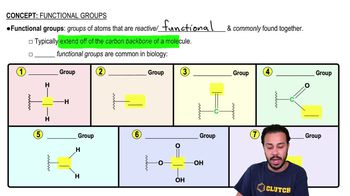
Enzymatic Function

Enzymes are biological catalysts that accelerate chemical reactions in cells. They are crucial for metabolic processes, including digestion, energy production, and biosynthesis. When an enzyme is blocked, the reaction it catalyzes cannot proceed, leading to a disruption in the cell's normal functions.
Recommended video:
06:04
Functional Groups

Metabolic Pathways

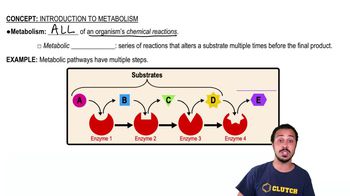
Metabolic pathways are series of interconnected biochemical reactions that convert substrates into products. Each step is typically facilitated by a specific enzyme. Blocking an enzyme in a pathway can halt the entire process, resulting in the accumulation of toxic substances or the depletion of essential metabolites, which can ultimately lead to cell death.
Recommended video:
02:17
Introduction to Metabolism

Cellular Homeostasis

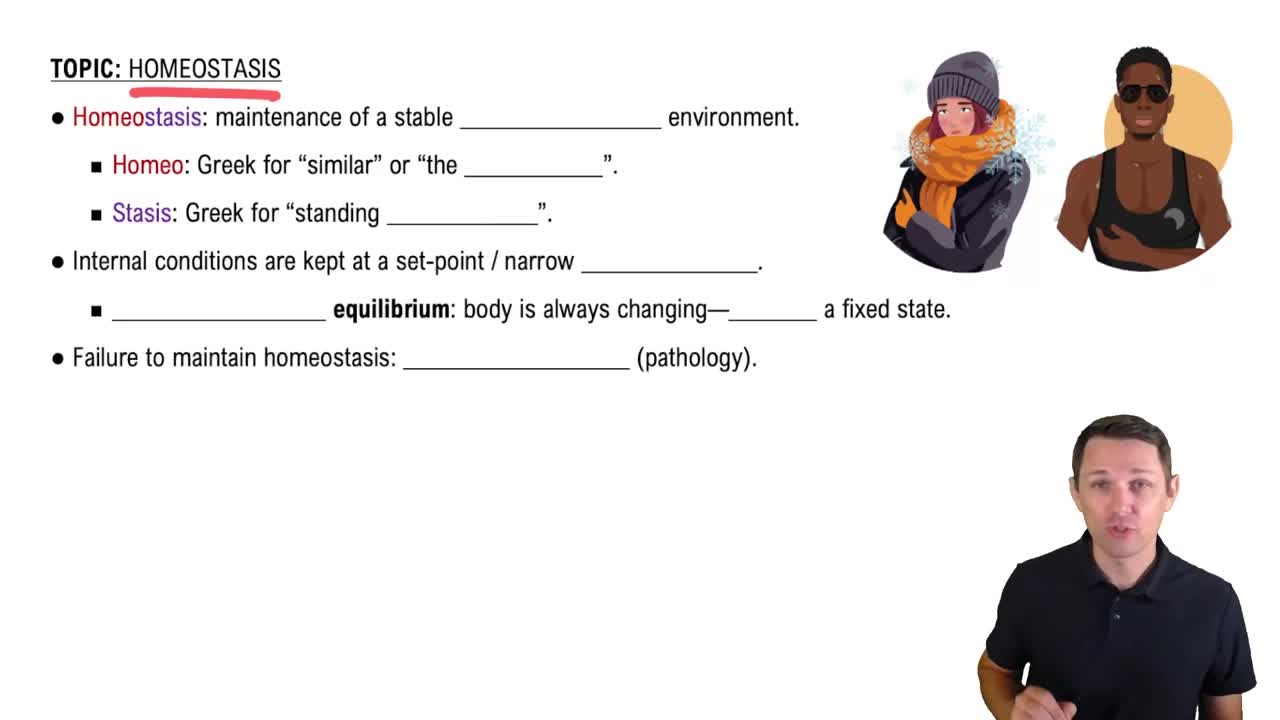
Cellular homeostasis refers to the maintenance of stable internal conditions necessary for cell survival, including pH, ion concentrations, and energy levels. Enzymes play a vital role in regulating these conditions. If an enzyme is inhibited, it can disrupt homeostasis, causing stress or damage to the cell, which may result in apoptosis or necrosis.
Recommended video:
Guided course
01:59
Introduction to Homeostasis
Related Practice
Textbook Question

Explain the difference between an ionic and a covalent bond.

Textbook Question

Identify each of the following molecules or compounds as ionic, polar covalent, or nonpolar covalent.

a. H2O _________

b. LiI _________

c. C10H22 _________

d. N2 _________

e. MgBr2 _________

f. H2S _________

6
views
Textbook Question

The drug methotrexate is used to treat several different types of cancer and diseases of the immune system. It works by inhibiting an enzyme in the cell necessary for folic acid synthesis. Without folic acid, the cell cannot make nucleotides. What, specifically, does an enzyme do in the cell? Why would inhibiting this enzyme disrupt folic acid synthesis? What effect would a disruption in folic acid synthesis have on the cell as a whole? (Hint: Think about the role that folic acid plays in the cell.) (Connects to Chapter 2)

1
views
Textbook Question

Explain how buffer systems in the body work if the pH of body fluids increases. Is this an example of a negative or a positive feedback loop? Explain.

1
views
Textbook Question

The polysaccharide cellulose is not digestible by humans, as we lack the enzyme cellulase, which is required to break it down. Certain dietary supplements contain the enzyme cellulase and claim that being able to break down cellulose will help a person lose weight. But what do you think would happen if we could digest the cellulose we ate?

1
views
Textbook Question

Some claim that the pH of your blood can be affected by eating acidic foods such as citrus. Do you believe this to be true? Explain your answer. (Hint: What happens when extra hydrogen ions are added to the blood?)

4
views