Ch. 18 The Cardiovascular System II: The Blood Vessels
Amerman - Human Anatomy & Physiology 2nd Edition
Amerman2nd EditionHuman Anatomy & PhysiologyISBN: 9780136873822Not the one you use?Change textbook
Chapter 18, Problem 4

Match the following terms with the correct definition.
____ Auricle      
____ Aorta      
____ Coronary sinus       
____ Papillary muscle      
____ Fossa ovalis     
____ Pectinate muscle      
____ Venae cavae      
____ Pulmonary trunk      
____ Chordae tendineae      
____ Pulmonary veins 
a. Drainage point for the coronary veins
b. Extensions that attach papillary muscles to valves
c. Remnant of a hole present in the fetal interatrial septum
d. Two largest veins of the systemic circuit
e. Flaplike extension from the right or left atrium
f. Finger-like projections of ventricular muscle
g. Main artery of the pulmonary circuit
h. Veins that drain the pulmonary circuit
i. Largest artery of the systemic circuit
j. Ridges of muscle in the atria

Verified step by step guidance
1
Step 1: Understand the terms provided in the problem. Each term refers to a specific anatomical structure or feature related to the cardiovascular system. Familiarize yourself with their definitions and functions.
Step 2: Match each term with its corresponding definition based on its anatomical role or description. For example, 'Auricle' refers to a flaplike extension from the right or left atrium, so it matches definition (e).
Step 3: Continue matching terms systematically. For instance, 'Aorta' is the largest artery of the systemic circuit, so it matches definition (i). Similarly, 'Coronary sinus' is the drainage point for the coronary veins, matching definition (a).
Step 4: Use anatomical knowledge to match the remaining terms. For example, 'Papillary muscle' refers to finger-like projections of ventricular muscle, matching definition (f), and 'Chordae tendineae' are extensions that attach papillary muscles to valves, matching definition (b).
Step 5: Verify all matches by cross-referencing the definitions with the terms. Ensure that each term is correctly paired with its definition, such as 'Fossa ovalis' being the remnant of a hole present in the fetal interatrial septum (c), and 'Pulmonary trunk' being the main artery of the pulmonary circuit (g).

Verified video answer for a similar problem:

This video solution was recommended by our tutors as helpful for the problem above.
Was this helpful?

Key Concepts

Here are the essential concepts you must grasp in order to answer the question correctly.

Cardiac Anatomy

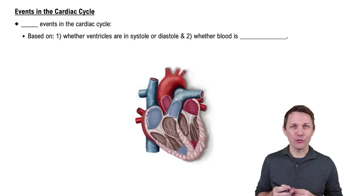
Understanding the basic structure of the heart is essential for identifying its components. The heart consists of various chambers, valves, and vessels, each with specific functions. Familiarity with terms like auricle, aorta, and coronary sinus helps in recognizing their roles in blood circulation and overall cardiac function.
Recommended video:
Guided course
9:44
Events in the Cardiac Cycle

Circulatory System

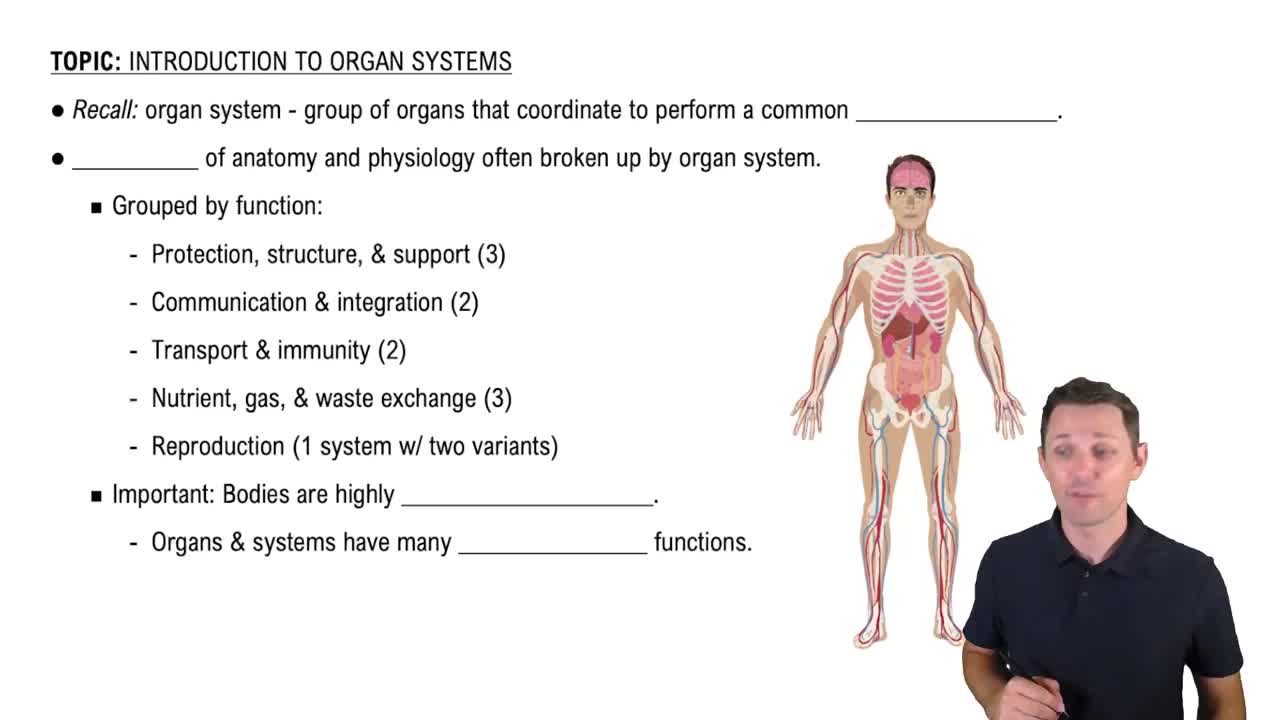
The circulatory system is responsible for transporting blood throughout the body, delivering oxygen and nutrients while removing waste. Key components include the systemic and pulmonary circuits, which involve major vessels like the aorta and venae cavae. Recognizing how these vessels interact is crucial for matching terms with their definitions.
Recommended video:
Guided course
02:29
Introduction to Organ Systems

Fetal Circulation

Fetal circulation differs from postnatal circulation, featuring structures like the fossa ovalis, which is a remnant of the foramen ovale that allows blood to bypass the lungs. Understanding these adaptations is important for grasping how the heart develops and functions before and after birth, influencing terms related to cardiac anatomy.
Recommended video:
7:11
Function of the Spleen