Back

HPV & Genital Warts definitions

Control buttons has been changed to "navigation" mode.
1/15
  • Human Papillomavirus

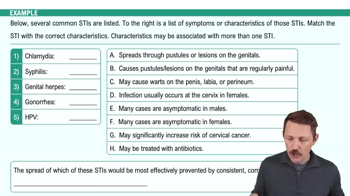
    A nonenveloped, double-stranded DNA virus with over 200 types, some of which are sexually transmitted and linked to warts and cancers.
  • Genital Warts

    Benign epithelial growths on genital or anal areas, often visually diagnosed, caused by certain sexually transmitted viral types.
  • Papilloma

    A harmless skin growth, often appearing as a wart, resulting from viral infection of epithelial tissue.
  • Cervical Cancer

    A malignancy of the cervix, frequently resulting from persistent infection with high-risk viral types.
  • Oropharyngeal Cancer

    A cancer affecting the mouth and throat region, increasingly linked to sexually transmitted viral infections, especially in men.
  • Pap Smear

    A screening procedure involving cervical cell collection to detect precancerous changes and viral infection.
  • Incubation Period

    The time between viral exposure and symptom appearance, typically lasting three to four months for this infection.
  • Condylomata Acuminata

    Large, cauliflower-like genital or anal warts that can be distressing but usually resolve without lasting harm.
  • Chronic Infection

    A persistent viral presence that increases the risk of developing cancers, especially in the cervix.
  • HPV Vaccine

    A preventive immunization targeting nine high-risk viral types, offering stronger protection than natural infection.
  • Screening

    A preventive health measure, such as Pap smears, used to detect early signs of cancer or viral infection.
  • Adaptive Immunity

    The body's targeted immune response, enhanced by vaccination, providing long-term protection against specific viral types.
  • Sexually Transmitted Infection

    An infection spread primarily through sexual contact, with certain viral types being the most common worldwide.
  • Epithelial Growth

    A proliferation of surface tissue cells, often manifesting as warts due to viral infection.
  • Precancerous Cells

    Abnormal cervical cells detected by screening, indicating a risk for progression to malignancy if untreated.