Ch. 20 - Antimicrobial Drugs
Tortora - Microbiology: An Introduction 14th Edition
Tortora14th EditionMicrobiology: An IntroductionISBN: 9780138200398Not the one you use?Change textbook
Chapter 20, Problem 4

Define drug resistance. How is it produced? What measures can be taken to minimize drug resistance?

Verified step by step guidance
1
Define drug resistance as the ability of microorganisms, such as bacteria, viruses, or fungi, to survive and multiply despite the presence of drugs designed to kill or inhibit them.
Explain that drug resistance is produced primarily through genetic changes in the microorganism, such as mutations or acquiring resistance genes via horizontal gene transfer (e.g., plasmids, transposons). These changes can alter drug targets, increase drug efflux, or inactivate the drug.
Describe that selective pressure from the misuse or overuse of antimicrobial drugs (e.g., incomplete courses, unnecessary prescriptions) encourages the survival and proliferation of resistant strains.
Discuss measures to minimize drug resistance, including: using antibiotics only when necessary and prescribed by a healthcare professional, completing the full course of treatment, avoiding self-medication, implementing infection control practices, and promoting the development of new drugs.
Highlight the importance of public health strategies such as surveillance of resistance patterns, educating healthcare providers and the public, and encouraging research on alternative therapies and vaccines.

Verified video answer for a similar problem:

This video solution was recommended by our tutors as helpful for the problem above.
Video duration:
2m
Was this helpful?

Key Concepts

Here are the essential concepts you must grasp in order to answer the question correctly.

Drug Resistance

Drug resistance occurs when microorganisms such as bacteria, viruses, or fungi evolve to survive exposure to drugs designed to kill or inhibit them. This results in reduced effectiveness of treatments, making infections harder to control and increasing the risk of spread.
Recommended video:
Guided course
06:20
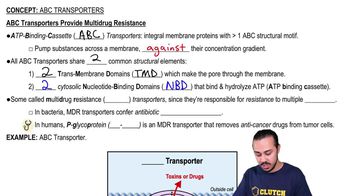
ABC Transporters Provide Multidrug Resistance

Mechanisms of Drug Resistance Development

Drug resistance develops through genetic mutations or acquiring resistance genes via horizontal gene transfer. Factors like overuse, misuse of antibiotics, and incomplete treatment courses promote the selection of resistant strains, enabling them to survive and multiply.
Recommended video:
Guided course
01:59
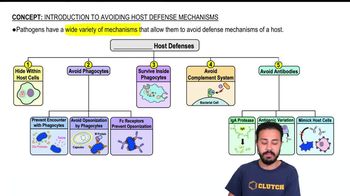
Introduction to Avoiding Host Defense Mechanisms

Strategies to Minimize Drug Resistance

To reduce drug resistance, measures include appropriate prescription practices, completing full treatment courses, using combination therapies, infection control protocols, and promoting antibiotic stewardship programs to limit unnecessary drug use.
Recommended video:
Guided course
06:20
ABC Transporters Provide Multidrug Resistance