Understanding cost behavior is essential for managing a theater concession stand effectively. Costs can be classified as fixed, variable, or mixed based on how they respond to changes in activity levels. For example, a manager's salary is typically a fixed cost because it remains constant regardless of how many concessions are sold. In contrast, costs like popcorn kernels and butter are variable costs since they increase directly with the quantity of popcorn produced and sold; if no popcorn is made, these costs drop to zero.
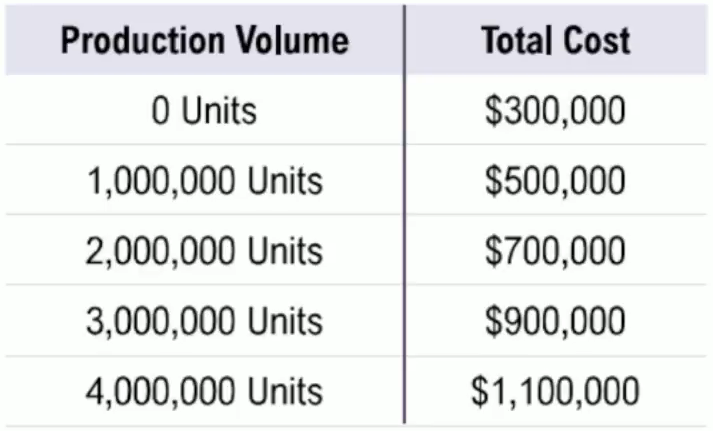
Electricity costs often represent a mixed cost. While electricity usage rises with increased production—such as running popcorn machines and soda dispensers—there is a baseline consumption that occurs even when no products are made, like keeping lights on and refrigerators running. This means the total electricity cost includes both a fixed component (the baseline usage) and a variable component (additional usage tied to production volume).
By analyzing these costs through account analysis, businesses can better predict expenses and make informed decisions. Recognizing fixed costs helps in budgeting for expenses that remain stable, while understanding variable costs allows for adjustments based on sales volume. Mixed costs require separating the fixed and variable portions, often using methods like the high-low method or regression analysis, to accurately estimate how costs will behave as activity changes.