 Back
BackA Tour of the Cell: Structure and Function of Prokaryotic and Eukaryotic Cells
Study Guide - Smart Notes
 Tailored notes based on your materials, expanded with key definitions, examples, and context.
Cell Components
Prokaryotic vs. Eukaryotic Cells
Cells are the fundamental units of life, and they are classified into two main types: prokaryotic and eukaryotic. Understanding their differences is essential for studying cell biology.
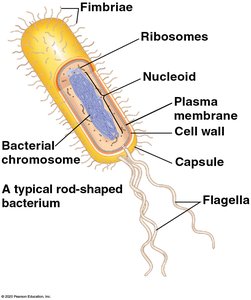
Prokaryotic Cells: Smaller, simpler, lack membrane-bound organelles, and do not have a true nucleus. Their DNA is located in a region called the nucleoid.
Eukaryotic Cells: Larger, more complex, contain membrane-bound organelles, and have a nucleus that houses their DNA. Found in animals, plants, fungi, and protists.
Prokaryotic Cell Structure
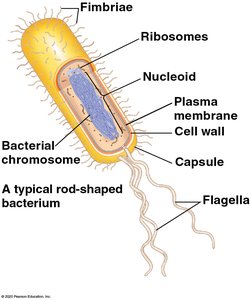
Prokaryotic cells, such as bacteria, have a simple structure but are highly efficient. Their main features include:
Nucleoid: Region where the cell's DNA is located (not enclosed by a membrane).
Ribosomes: Sites of protein synthesis.
Plasma Membrane: Selectively permeable barrier that encloses the cytoplasm.
Cell Wall: Provides structural support and protection.
Capsule: Outer layer that offers additional protection (not always present).
Fimbriae: Hair-like structures for attachment to surfaces.
Flagella: Long appendages for locomotion.
Eukaryotic Cell Structure
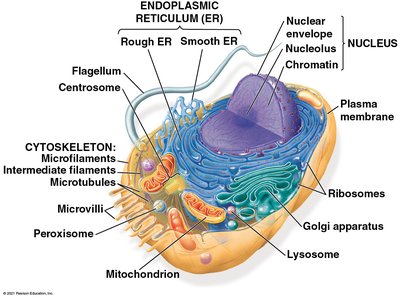
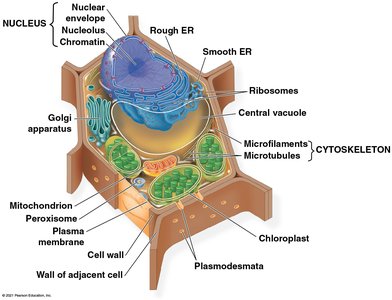
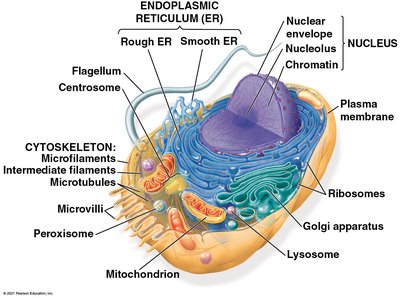
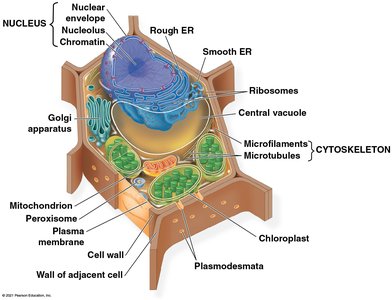
Eukaryotic cells are compartmentalized into organelles, each with specialized functions. They can be animal or plant cells, with some differences between the two.
Nucleus: Contains the cell's DNA and is surrounded by a double membrane (nuclear envelope).
Nucleolus: Dense region within the nucleus; site of rRNA synthesis and ribosome assembly.
Chromatin: DNA wrapped around proteins, organizing genetic material.
Ribosomes: Build proteins using instructions from DNA; can be free in the cytosol or bound to the endoplasmic reticulum (ER).
Endoplasmic Reticulum (ER): Network of membranes; rough ER is studded with ribosomes (protein synthesis), smooth ER synthesizes lipids.
Golgi Apparatus: Modifies, stores, and routes products from the ER.
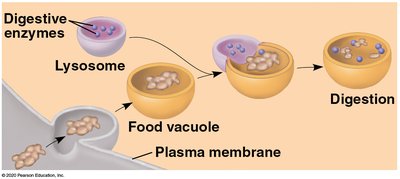
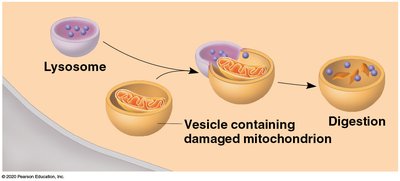
Lysosomes: Contain digestive enzymes to break down macromolecules.
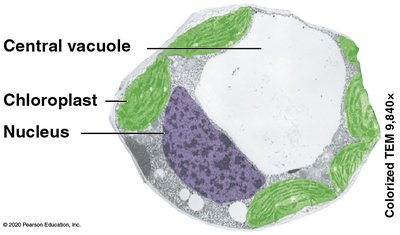
Vacuoles: Large vesicles for storage and transport; central vacuole in plants stores water and maintains turgor pressure.
Mitochondria: Sites of cellular respiration, producing ATP.
Chloroplasts (plants and algae): Sites of photosynthesis.
Cytoskeleton: Network of microtubules, intermediate filaments, and microfilaments for structural support and transport.
Plasma Membrane: Controls entry and exit of substances.
Cell Wall (plants): Rigid structure outside the plasma membrane, made of cellulose.
Plasmodesmata (plants): Channels between plant cells for communication.
The Nucleus and Ribosomes
Nucleus
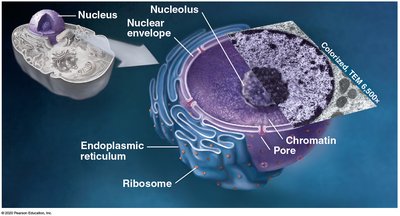
The nucleus is the genetic control center of eukaryotic cells.
Nuclear Envelope: Double membrane that encloses the nucleus.
Nucleolus: Site of ribosomal RNA (rRNA) synthesis and ribosome assembly.
Chromatin: DNA-protein complex that organizes genetic material.
Ribosomes
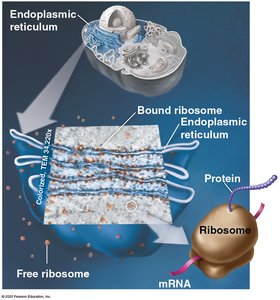
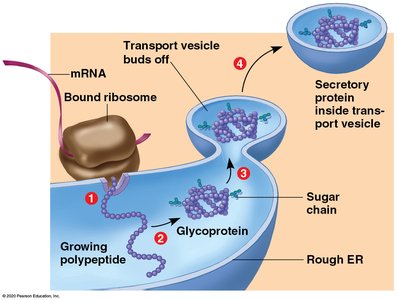
Ribosomes are molecular machines that synthesize proteins by translating messenger RNA (mRNA).
Free Ribosomes: Float in the cytosol and synthesize proteins for use within the cell.
Bound Ribosomes: Attached to the rough ER and synthesize proteins for secretion or for use in membranes.
The Endomembrane System
Overview
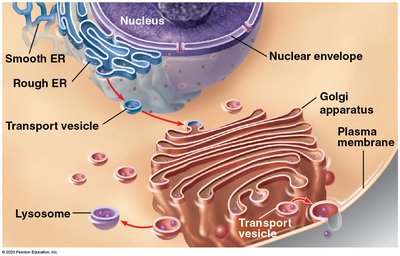
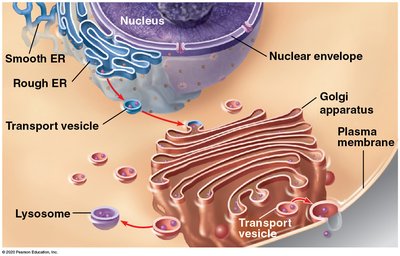
The endomembrane system is a group of interconnected organelles that work together to modify, package, and transport lipids and proteins.
Includes: Nuclear envelope, endoplasmic reticulum (ER), Golgi apparatus, lysosomes, vesicles, and plasma membrane.
Endoplasmic Reticulum (ER)
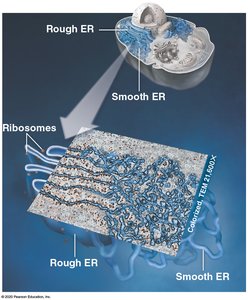
The ER is an extensive network of membranes, continuous with the nuclear envelope.
Rough ER: Studded with ribosomes; site of protein synthesis and modification.
Smooth ER: Lacks ribosomes; involved in lipid synthesis and detoxification.
Protein Production in the ER
Proteins synthesized by ribosomes on the rough ER are processed and transported in vesicles to the Golgi apparatus.
Golgi Apparatus
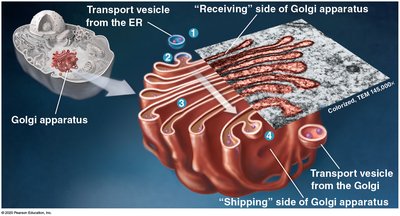
The Golgi apparatus consists of flattened membranous sacs that modify, store, and ship products from the ER.
Receiving Side (cis face): Accepts vesicles from the ER.
Shipping Side (trans face): Dispatches vesicles to other destinations.
Lysosomes
Lysosomes are membrane-bound sacs containing digestive enzymes. They break down macromolecules, old organelles, and foreign substances.
Phagocytosis: Engulfing of large particles or cells by the cell membrane, forming a food vacuole that fuses with a lysosome for digestion.
Autophagy: Digestion of the cell's own damaged organelles.
Energy-Related Organelles
Mitochondria
Mitochondria are the powerhouses of the cell, generating ATP through cellular respiration.
Outer Membrane: Smooth and encloses the organelle.
Inner Membrane: Folded into cristae to increase surface area for ATP production.
Matrix: Contains enzymes, mitochondrial DNA, and ribosomes.
Chloroplasts
Chloroplasts are found in plants and algae and are the sites of photosynthesis.
Thylakoids: Flattened sacs where light-dependent reactions occur.
Granum: Stack of thylakoids.
Stroma: Fluid surrounding thylakoids, contains DNA, ribosomes, and enzymes.
Endosymbiotic Theory
This theory proposes that mitochondria and chloroplasts originated as free-living prokaryotes that were engulfed by ancestral eukaryotic cells, forming a symbiotic relationship.
Evidence: Both organelles have their own DNA, ribosomes, and double membranes.
Cytoskeleton and Cell Movement
Cytoskeleton
The cytoskeleton is a dynamic network of protein filaments that provides structural support, maintains cell shape, and facilitates movement.
Microtubules: Hollow tubes made of tubulin; involved in cell shape, organelle movement, and chromosome separation.
Intermediate Filaments: Rope-like fibers for mechanical strength.
Microfilaments: Thin filaments of actin; involved in cell movement and muscle contraction.
Cilia and Flagella
Cilia and flagella are extensions of the cell membrane containing microtubules, used for movement.
Cilia: Short, numerous, move substances past the cell.
Flagella: Long, usually one or two per cell, used for locomotion (e.g., sperm cells).
Cell Surfaces and Junctions
Extracellular Matrix (ECM)
The ECM is a network of glycoproteins, polysaccharides, and proteoglycans outside animal cells, providing structural support and facilitating communication.
Collagen: Main structural protein in connective tissues.
Integrins: Proteins that connect the ECM to the cell's cytoskeleton.
Cell Junctions
Cells are connected by specialized junctions that allow communication and maintain tissue integrity.
Junction Type | Structure | Function | Location |
|---|---|---|---|
Tight Junction | Continuous seal | Prevents fluid leakage | Intestinal lining |
Desmosome | Anchoring junction | Fastens cells together | Skin, heart muscle |
Gap Junction | Cytoplasmic channels | Communication and material exchange | Cardiac muscle |
Plasmodesmata (plants) | Open channels in cell wall | Communication between plant cells | Plant tissues |
Plant Cell Walls
Plant cells have a rigid cell wall made of cellulose, providing protection, shape, and preventing excessive water uptake. Plasmodesmata are channels that connect the cytoplasm of adjacent plant cells, allowing for communication and transport of materials.
Cellulose: A polysaccharide that forms the main component of the plant cell wall.
