Ch. 18 The Endocrine System
Martini - Fundamentals of Anatomy and Physiology 12th Edition
Martini, Nath, Bartholomew12th EditionFundamentals of Anatomy and PhysiologyISBN: 9780137854011Not the one you use?Change textbook
Chapter 18, Problem 26

Julie is pregnant but is not receiving prenatal care. She has a poor diet consisting mostly of fast food. She drinks no milk, preferring colas instead. How would this situation affect Julie's parathyroid hormone level?

Verified step by step guidance
1
Step 1: Understand the role of parathyroid hormone (PTH) in the body. PTH is secreted by the parathyroid glands and primarily functions to regulate calcium levels in the blood by increasing blood calcium when it is low.
Step 2: Consider Julie's diet and its impact on calcium intake. Since she drinks no milk (a major source of dietary calcium) and prefers colas (which may contain phosphates that can bind calcium), her calcium intake is likely low, leading to decreased blood calcium levels.
Step 3: Recognize the physiological response to low blood calcium. When blood calcium levels drop, the parathyroid glands respond by increasing secretion of PTH to restore calcium balance by promoting calcium release from bones, increasing calcium absorption in the intestines (via activation of vitamin D), and reducing calcium excretion by the kidneys.
Step 4: Connect Julie's poor diet and pregnancy status to PTH levels. Pregnancy increases calcium demand for fetal development, so combined with low dietary calcium, this would likely cause an increase in PTH secretion to maintain adequate calcium levels in the mother's blood.
Step 5: Summarize that Julie's poor calcium intake and increased calcium demand during pregnancy would stimulate an increase in parathyroid hormone levels as a compensatory mechanism.

Verified video answer for a similar problem:

This video solution was recommended by our tutors as helpful for the problem above.
Was this helpful?

Key Concepts

Here are the essential concepts you must grasp in order to answer the question correctly.

Role of Parathyroid Hormone (PTH)

Parathyroid hormone regulates calcium levels in the blood by increasing calcium release from bones, enhancing calcium absorption in the intestines, and reducing calcium excretion by the kidneys. It is secreted when blood calcium levels are low to restore balance.
Recommended video:
Guided course
13:06
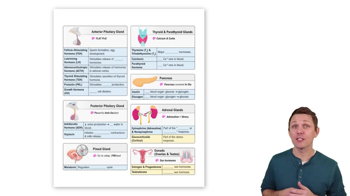
Review of Major Hormones

Impact of Diet on Calcium and Vitamin D Levels

A diet low in calcium and vitamin D, such as one lacking milk and rich in fast food and colas, can lead to decreased calcium absorption. Vitamin D is essential for calcium absorption in the gut, so poor intake can cause calcium deficiency, triggering compensatory hormonal responses.

Physiological Changes During Pregnancy Affecting Calcium Metabolism

Pregnancy increases calcium demand for fetal bone development, often leading to adaptations like increased intestinal calcium absorption. If dietary calcium is insufficient, the body may increase PTH secretion to maintain maternal and fetal calcium levels, potentially affecting bone health.
Recommended video:
Guided course
8:33
Pressure Changes During Ventilation