Ch. 23 The Digestive System
Marieb - Human Anatomy & Physiology 7th Edition
Marieb, Hoehn7th EditionHuman Anatomy & PhysiologyISBN: 9780805359091Not the one you use?Change textbook
Chapter 22, Problem 30

Troy Francis, a middle-aged salesman, complains of a burning pain in the 'pit of his stomach,' usually beginning about two hours after eating and abating after drinking a glass of milk. When asked to indicate the site, he points to his epigastric region. The GI tract is examined by X-ray fluoroscopy. A gastric ulcer is visualized, and drug therapy using a proton pump inhibitor and antibiotics is recommended.
a. Why is this treatment suggested?
b. What are the possible consequences of nontreatment?

Verified step by step guidance
1
Step 1: Understand the symptoms and diagnosis. Troy's burning pain in the epigastric region, occurring a couple of hours after eating and relieved by milk, suggests irritation of the stomach lining, consistent with a gastric ulcer confirmed by X-ray fluoroscopy.
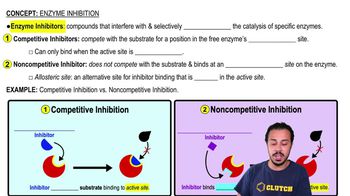
Step 2: Explain why proton pump inhibitors (PPIs) are used. PPIs reduce stomach acid secretion by blocking the hydrogen-potassium ATPase enzyme in parietal cells, which helps decrease acid-related damage to the ulcer and promotes healing.
Step 3: Explain the role of antibiotics. Many gastric ulcers are caused or worsened by Helicobacter pylori infection, so antibiotics are prescribed to eradicate this bacterium, preventing further ulcer formation and complications.
Step 4: Discuss the consequences of nontreatment. Without treatment, the ulcer may worsen, leading to complications such as bleeding, perforation of the stomach wall, peritonitis, or gastric obstruction, all of which can be life-threatening.
Step 5: Summarize the importance of combined therapy. Using both PPIs and antibiotics addresses both the acid environment and the bacterial cause, providing a comprehensive approach to healing the ulcer and preventing recurrence.

Verified video answer for a similar problem:

This video solution was recommended by our tutors as helpful for the problem above.
Video duration:
3m
Was this helpful?

Key Concepts

Here are the essential concepts you must grasp in order to answer the question correctly.

Pathophysiology of Gastric Ulcers

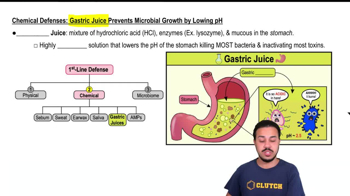
Gastric ulcers are open sores in the stomach lining caused by an imbalance between aggressive factors like stomach acid and protective mechanisms such as mucus. This imbalance leads to mucosal damage, resulting in pain and potential complications. Understanding this helps explain symptoms like epigastric burning and the timing of pain after meals.
Recommended video:
2:07
Gastric Juice

Role of Proton Pump Inhibitors and Antibiotics in Treatment

Proton pump inhibitors (PPIs) reduce stomach acid production, promoting ulcer healing and symptom relief. Antibiotics target Helicobacter pylori infection, a common cause of gastric ulcers. Combining these therapies addresses both acid damage and bacterial infection, which is essential for effective treatment and preventing recurrence.
Recommended video:
05:03
Enzyme Inhibition

Complications of Untreated Gastric Ulcers

If untreated, gastric ulcers can lead to serious complications such as bleeding, perforation, and gastric outlet obstruction. These conditions may cause severe pain, internal bleeding, or infection, requiring emergency intervention. Recognizing these risks underscores the importance of timely diagnosis and treatment.
Recommended video:
2:07
Gastric Juice