Ch. 11 Cardiovascular System
Marieb - Essentials of Human Anatomy & Physiology 13th Edition
Marieb13th EditionEssentials of Human Anatomy & PhysiologyISBN: 9780135624340Not the one you use?Change textbook
Chapter 11, Problem 4

More than one choice may apply.
During atrial systole,
a. The atrial pressure exceeds ventricular pressure.
b. 70 percent of ventricular filling occurs.
c. The AV valves are open.
d. Valves prevent backflow into the great veins.

Verified step by step guidance
1
Step 1: Understand the cardiac cycle phases, focusing on atrial systole, which is the contraction of the atria pushing blood into the ventricles.
Step 2: Analyze option (a): During atrial systole, the atrial pressure must exceed ventricular pressure to allow blood to flow from the atria to the ventricles.
Step 3: Evaluate option (b): Consider when the majority of ventricular filling occurs, noting that most filling happens passively before atrial systole.
Step 4: Assess option (c): During atrial systole, the atrioventricular (AV) valves (tricuspid and mitral) should be open to permit blood flow from the atria to the ventricles.
Step 5: Consider option (d): Determine if valves prevent backflow into the great veins during atrial systole, focusing on the role of the AV valves and the absence of valves at the entry of the great veins.

Verified video answer for a similar problem:

This video solution was recommended by our tutors as helpful for the problem above.
Was this helpful?

Key Concepts

Here are the essential concepts you must grasp in order to answer the question correctly.

Atrial Systole

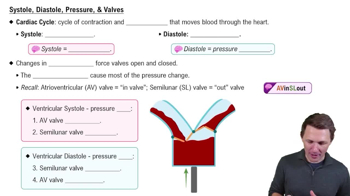
Atrial systole is the phase of the cardiac cycle where the atria contract, pushing blood into the ventricles. This phase is crucial for ensuring that the ventricles are adequately filled with blood before they contract during ventricular systole. Understanding this phase helps clarify the dynamics of blood flow and pressure changes within the heart.
Recommended video:
Guided course
7:13
Systole, Diastole, Pressure, & Valves

Pressure Gradients

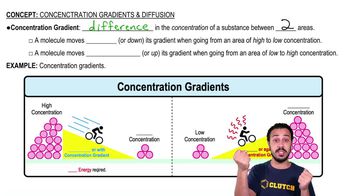
Pressure gradients are differences in pressure that drive blood flow through the heart and circulatory system. During atrial systole, the pressure in the atria exceeds that in the ventricles, allowing blood to flow into the ventricles. Recognizing how these gradients influence valve function and blood movement is essential for understanding cardiac physiology.
Recommended video:
04:51
Concentration Gradients and Diffusion

Heart Valves

Heart valves, including the atrioventricular (AV) valves, regulate blood flow direction and prevent backflow. During atrial systole, the AV valves are open, allowing blood to flow from the atria to the ventricles. Understanding the role of these valves is critical for grasping how the heart maintains efficient circulation and prevents regurgitation.
Recommended video:
Guided course
7:13
Systole, Diastole, Pressure, & Valves