
Textbook Question
Propose mechanisms for the following reactions. In most cases, more products are formed than are shown here. You only need to explain the formation of the products shown, however.
(b)
1
views

 Verified step by step guidance
 01:01
01:01
 02:36
02:36 01:16
01:16Propose mechanisms for the following reactions. In most cases, more products are formed than are shown here. You only need to explain the formation of the products shown, however.
(b)
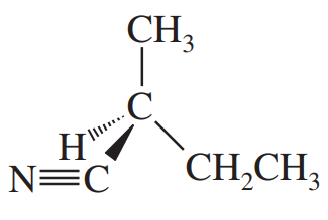
Show how you would synthesize the following compounds. As starting materials, you may use any alcohols containing four or fewer carbon atoms, cyclohexanol, and any necessary solvents and inorganic reagents.
(h)
Show how you would synthesize the following compounds. As starting materials, you may use any alcohols containing four or fewer carbon atoms, cyclohexanol, and any necessary solvents and inorganic reagents.
(a)
(b)
(c)
Show how you would synthesize the following compound. As starting materials, you may use any alcohols containing five or fewer carbon atoms and any necessary solvents and inorganic reagents.
Propose mechanisms for the following reactions. In most cases, more products are formed than are shown here. You only need to explain the formation of the products shown, however.
(c)
The following pseudo-syntheses (guaranteed not to work) exemplify a common conceptual error.
(a) What is the conceptual error implicit in these syntheses?
(b) Propose syntheses that are more likely to succeed.