Ch. 24 - Benzene II: Reactions Influenced by the Aromatic Ring
Mullins - Organic Chemistry: A Learner Centered Approach 1st Edition
Mullins1st EditionOrganic Chemistry: A Learner Centered ApproachISBN: 9780137566471Not the one you use?Change textbook
Chapter 23, Problem 59

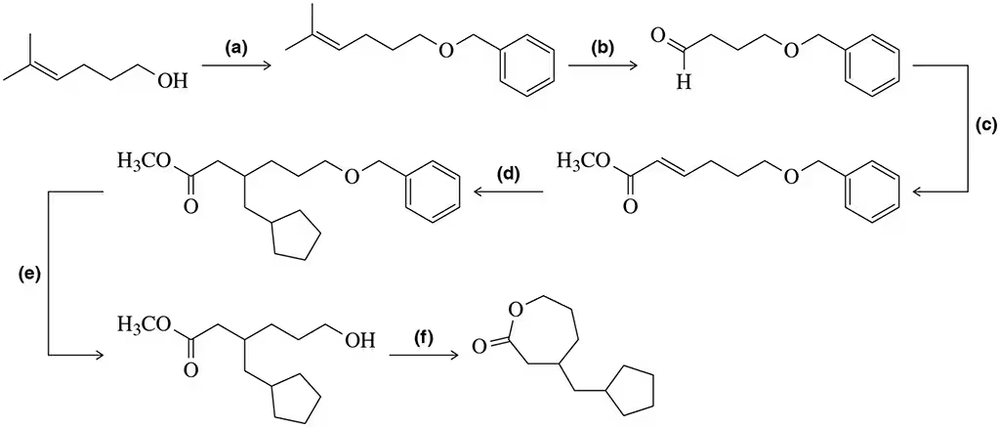
Provide the reagents necessary to carry out the following synthesis. What is the purpose of steps (a) and (e)?
Chemical synthesis diagram with steps labeled (a) to (f), showing transformation of alcohol to ether using various reagents.

Verified step by step guidance
1
Step 1: Analyze the target molecule and the starting material to determine the transformations needed. Identify functional groups that need to be added, removed, or modified.
Step 2: For step (a), consider the initial transformation required. This could involve activating a functional group or protecting a sensitive group. Choose a reagent that facilitates this transformation, such as a protecting group reagent or an activating agent.
Step 3: For step (b), identify the next transformation needed. This might involve adding a new functional group or modifying an existing one. Select a reagent that can achieve this, such as a nucleophile for substitution reactions or an oxidizing agent for oxidation reactions.
Step 4: For step (c), continue the synthesis by considering any intermediate steps necessary to reach the target molecule. This could involve rearrangement, reduction, or further functional group modification. Choose appropriate reagents for these transformations.
Step 5: For step (e), consider the purpose of this step in the overall synthesis. It might involve deprotection or final functional group modification to achieve the desired structure. Select reagents that can accomplish this, such as deprotecting agents or specific catalysts.

Verified video answer for a similar problem:

This video solution was recommended by our tutors as helpful for the problem above.
Video duration:
13m
Was this helpful?

Key Concepts

Here are the essential concepts you must grasp in order to answer the question correctly.

Synthesis Pathway

A synthesis pathway in organic chemistry involves a series of chemical reactions to convert starting materials into desired products. Understanding the sequence and purpose of each step is crucial for selecting appropriate reagents and conditions. Each step may involve transformations such as functional group interconversion, carbon-carbon bond formation, or protection/deprotection strategies.
Recommended video:
2:13
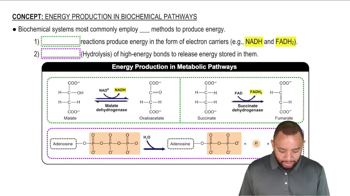
Energy Production In Biochemical Pathways Concept 1

Reagents and Their Functions

Reagents are substances used to cause a chemical reaction. In organic synthesis, selecting the correct reagent is essential for achieving the desired transformation. Reagents can serve various functions, such as oxidizing agents, reducing agents, catalysts, or protecting group agents, each playing a specific role in the reaction mechanism.
Recommended video:
Guided course
02:36
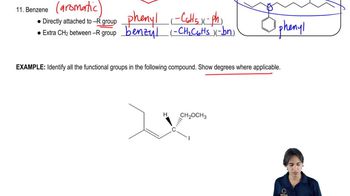
Identifying Functional Groups

Reaction Mechanism

A reaction mechanism describes the step-by-step process by which reactants are converted into products, detailing the movement of electrons and changes in molecular structure. Understanding mechanisms helps predict the outcome of reactions and the purpose of each step, such as why a particular reagent is used or how intermediates are stabilized.
Recommended video:
Guided course
02:16
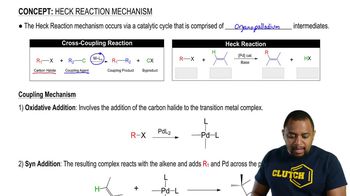
Heck Reaction Mechanism