
Textbook Question
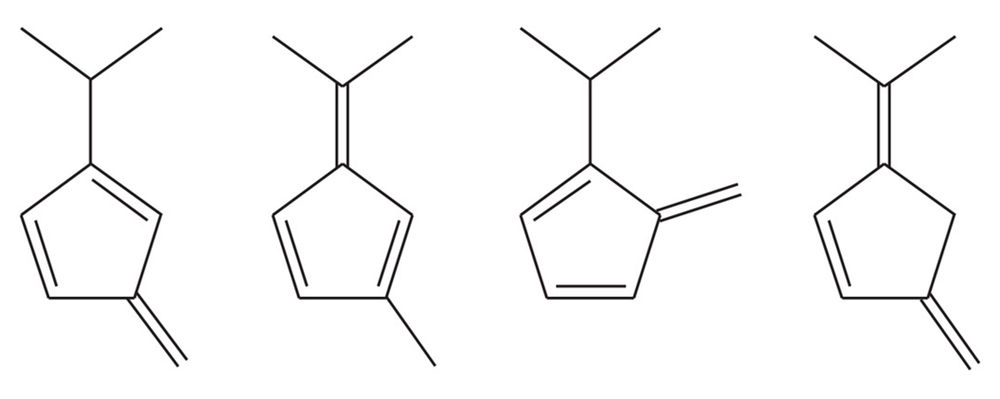
The following molecules and ions are grouped by similar structures. Classify each as aromatic, antiaromatic, or nonaromatic. For the aromatic and antiaromatic species, give the number of pi electrons in the ring.
(a)
1
views

 Verified step by step guidance
 05:39
05:39
 03:43
03:43 08:19
08:19The following molecules and ions are grouped by similar structures. Classify each as aromatic, antiaromatic, or nonaromatic. For the aromatic and antiaromatic species, give the number of pi electrons in the ring.
(a)
Four pairs of compounds are shown. In each pair, one of the compounds reacts more quickly, or with a more favorable equilibrium constant, than the less conjugated system. In each case, explain the enhanced reactivity.
(d)
The following molecules and ions are grouped by similar structures. Classify each as aromatic, antiaromatic, or nonaromatic. For the aromatic and antiaromatic species, give the number of pi electrons in the ring.
(c)
The following molecules and ions are grouped by similar structures. Classify each as aromatic, antiaromatic, or nonaromatic. For the aromatic and antiaromatic species, give the number of pi electrons in the ring.
(b)
Four pairs of compounds are shown. In each pair, one of the compounds reacts more quickly, or with a more favorable equilibrium constant, than the less conjugated system. In each case, explain the enhanced reactivity.
(a)
(b)
Four pairs of compounds are shown. In each pair, one of the compounds reacts more quickly, or with a more favorable equilibrium constant, than the less conjugated system. In each case, explain the enhanced reactivity.
(c)