Skip to main content
Nutrition
My Course
Learn
Exam Prep
AI Tutor
Study Guides
Flashcards
Try the app
My Course
Learn
Exam Prep
AI Tutor
Study Guides
Flashcards
Try the app
Back
Foodborne Toxins definitions
You can tap to flip the card.
Solanine
You can tap to flip the card.
👆
Solanine
A toxic compound found in green potatoes that can be removed by peeling or cutting away green areas.
Track progress
Control buttons has been changed to "navigation" mode.
1/14
Related flashcards
Related practice
Recommended videos
Foodborne Toxins quiz
Foodborne Toxins
15 Terms
Foodborne Toxins
12. Food Safety & Regulation
10 problems
Topic
Food Preservation & Additives
12. Food Safety & Regulation
10 problems
Topic
12. Food Safety & Regulation
6 topics
15 problems
Chapter
02:24
Foodborne Toxins Example 1
06:31
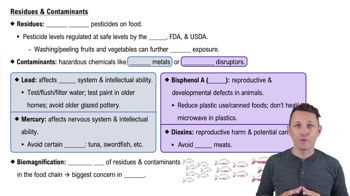
Residues & Contaminants
02:42
Foodborne Toxins Example 2
Terms in this set (14)
Hide definitions
Solanine
A toxic compound found in green potatoes that can be removed by peeling or cutting away green areas.
Cyanogenic Glycosides
Plant chemicals in raw lima beans that release cyanide unless destroyed by proper cooking.
Staphylococcal Toxins
Heat-stable substances produced by Staphylococcus aureus that can cause illness even after cooking.
Botulinum Toxin
A neurotoxin from Clostridium botulinum causing paralysis and potentially fatal botulism, especially from unsafe canned foods.
Botulism
A severe illness marked by muscle paralysis, often linked to ingestion of botulinum toxin from contaminated foods.
Residues
Trace amounts of chemicals, such as pesticides, intentionally used in food production and regulated to safe levels.
Contaminants
Unintended hazardous chemicals like heavy metals or endocrine disruptors that should not be present in food.
Heavy Metals
Elements such as lead and mercury that can harm the nervous system, especially in children and developing fetuses.
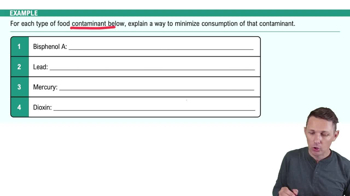
Lead
A neurotoxic metal that can impair intellectual development, especially dangerous for children and found in old pipes or pottery.
Mercury
A toxic metal accumulating in top food chain fish, posing risks to nervous system development in fetuses and children.
Biomagnification
The process by which toxins increase in concentration as they move up the food chain, especially in large predatory fish.
Endocrine Disruptors
Chemicals that interfere with hormone systems, potentially causing reproductive or developmental harm.
BPA
A plastic additive linked to reproductive and developmental issues, often found in food containers and can linings.
Dioxins
Industrial pollutants stored in animal fat, associated with reproductive harm and increased cancer risk.
 BackBack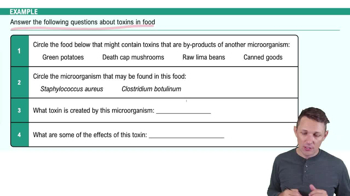
 02:24
02:24