Back

Consumer Surplus and Willingness to Pay definitions

Control buttons has been changed to "navigation" mode.
1/14
  • Consumer Surplus

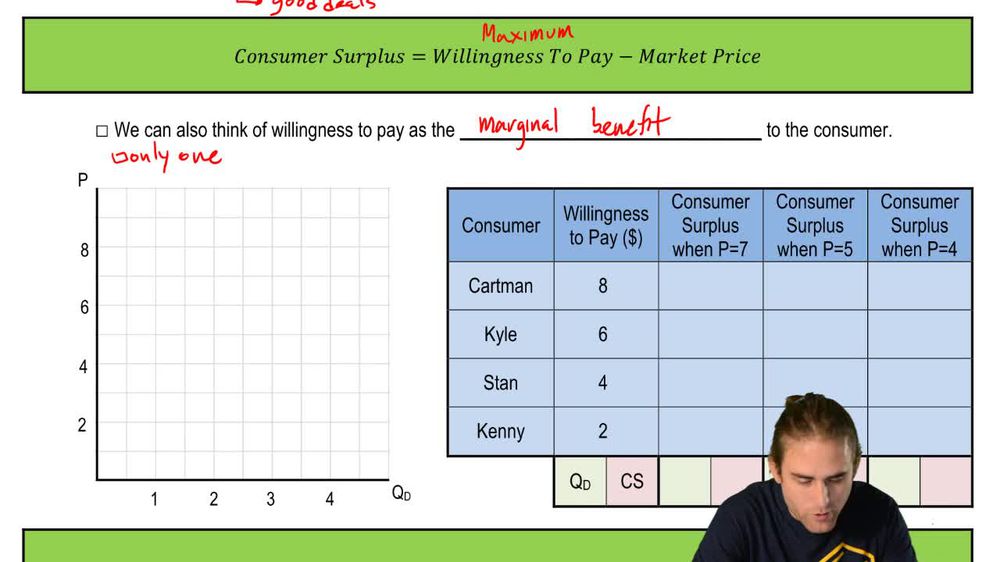
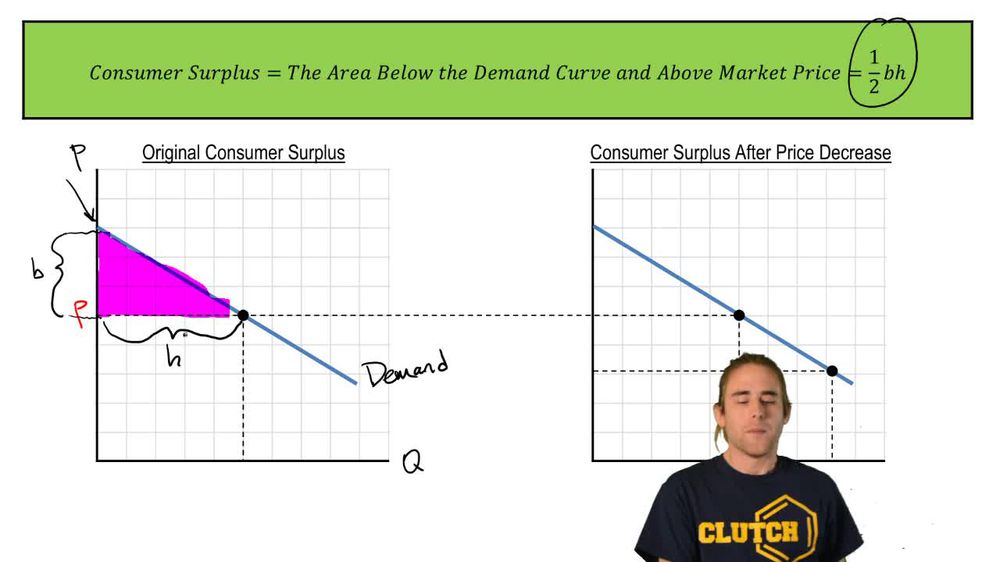
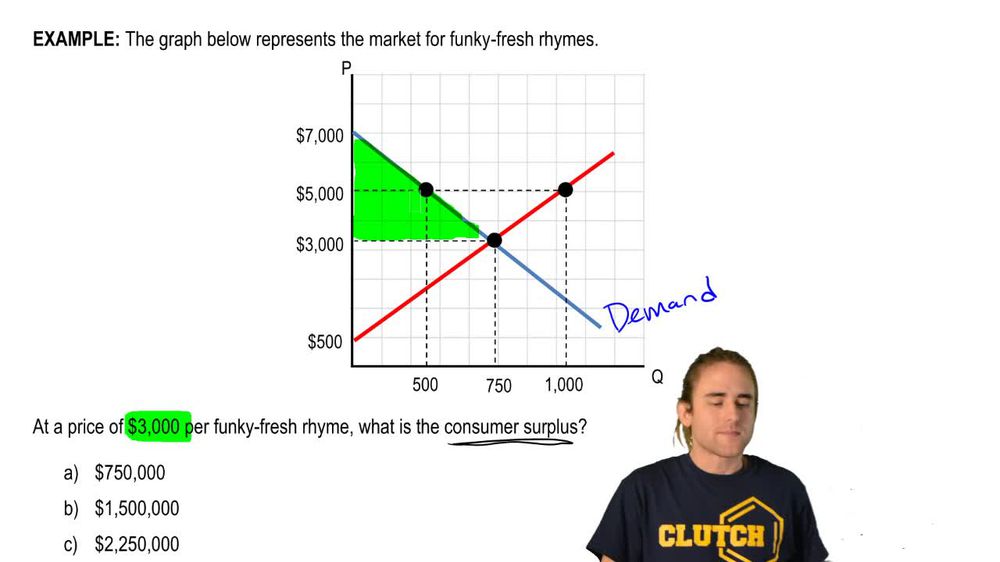
    Difference between what buyers are willing to pay and what they actually pay, visualized as area below demand curve and above market price.
  • Willingness to Pay

    Maximum amount a buyer would exchange for a good, often shown as a point on the demand curve.
  • Reservation Price

    Highest price a consumer would accept for a product, marking their entry point into the market.
  • Demand Curve

    Graphical representation of buyers' willingness to pay at various prices, typically downward sloping.
  • Market Price

    Actual price at which goods are exchanged, determining the level of consumer surplus.
  • Marginal Benefit

    Additional satisfaction or value gained from consuming one more unit, reflected by the demand curve.
  • Marginal Cost

    Cost associated with consuming or producing one extra unit, relevant for comparing with marginal benefit.
  • Economic Welfare

    Measure of overall benefit to society from market transactions, often linked to consumer surplus.
  • Total Consumer Surplus

    Sum of all individual surpluses in a market, represented by the area under the demand curve and above market price.
  • Original Consumer Surplus

    Surplus enjoyed by buyers at the initial market price before any price change.
  • Additional Consumer Surplus

    Extra surplus gained by existing buyers when the market price decreases.
  • New Consumer Surplus

    Surplus acquired by new buyers entering the market after a price drop.
  • Triangle Formula

    Mathematical method for calculating consumer surplus as area: one-half base times height.
  • Quantity Demanded

    Number of units buyers are willing to purchase at a specific price, shown on the demand curve.