


Ch. 27 - Microbial Ecology and Microbiomes
Bauman - Microbiology with Diseases by Taxonomy 6th Edition
Bauman6th EditionMicrobiology with Diseases by TaxonomyISBN: 9780134832302Not the one you use?Change textbook
Chapter 27, Problem 7

In aquatic environments, most microbial life is found in the:
a. Littoral zone
b. Limnetic zone
c. Profundal zone
d. Benthic zone

Verified step by step guidance
1
Understand the different zones in an aquatic environment: the littoral zone is the near-shore area where sunlight penetrates to the bottom, the limnetic zone is the open surface water away from the shore, the profundal zone is the deep water zone below the light penetration, and the benthic zone is the bottom sediment layer.
Recall that microbial life tends to be abundant where nutrients and organic matter accumulate, often associated with sediments and surfaces rather than open water.
Recognize that the benthic zone, being the bottom layer of the aquatic environment, contains sediments rich in organic material and provides a habitat for many microorganisms.
Compare the zones and note that while the littoral and limnetic zones have microbial life, the benthic zone typically harbors the majority of microbial populations due to nutrient availability and surface attachment.
Conclude that the zone with the most microbial life in aquatic environments is the benthic zone.

Verified video answer for a similar problem:

This video solution was recommended by our tutors as helpful for the problem above.
Video duration:
3m
Was this helpful?

Key Concepts

Here are the essential concepts you must grasp in order to answer the question correctly.

Aquatic Zones

Aquatic environments are divided into distinct zones based on depth, light penetration, and proximity to shore. These zones include the littoral (near shore), limnetic (open water), profundal (deep water), and benthic (bottom) zones, each supporting different microbial communities.
Recommended video:
Guided course
05:20
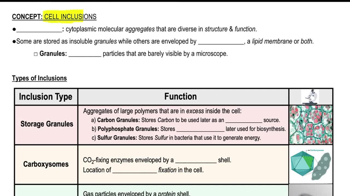
Cell Inclusions

Microbial Distribution in Aquatic Systems

Microbial life in aquatic systems varies by zone due to factors like oxygen availability, light, and nutrient levels. Most microbes thrive where conditions support growth, often in sediments or surfaces rich in organic matter, such as the benthic zone.
Recommended video:
Guided course
08:59
Microbial Growth Curves in a Closed System

Benthic Zone Characteristics

The benthic zone refers to the bottom of a water body, including sediments and the interface with the water column. It is rich in organic material and nutrients, making it a hotspot for microbial activity and diversity in aquatic ecosystems.
Recommended video:
Guided course
05:09
Intro to Characteristics of Infectious Disease