Ch. 1 - A Brief History of Microbiology
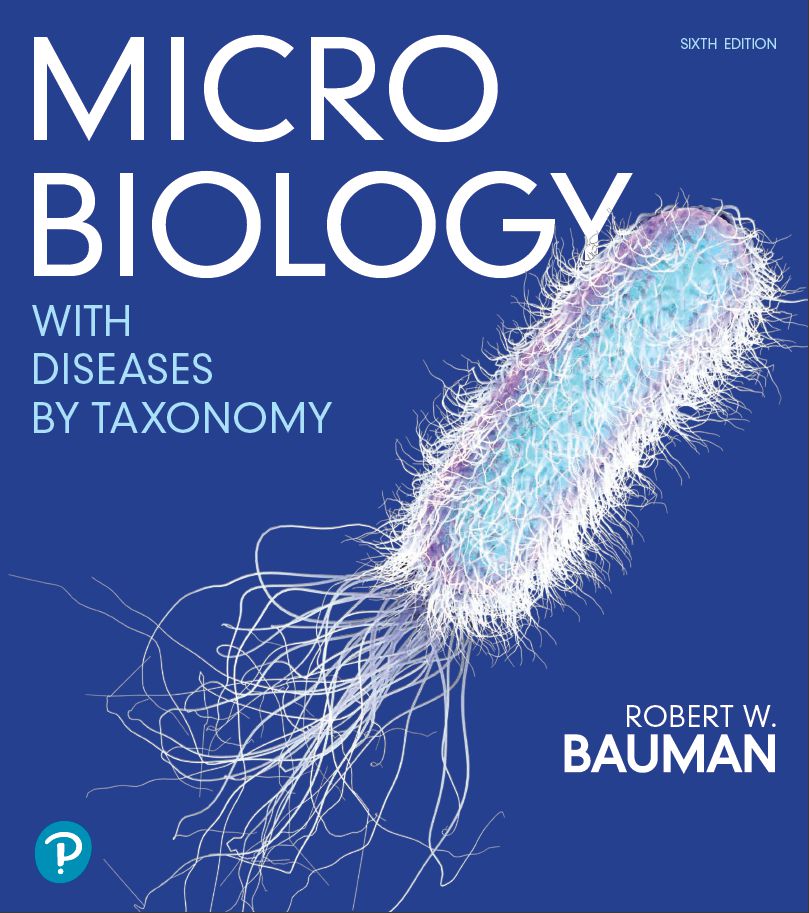
Bauman - Microbiology with Diseases by Taxonomy 6th Edition
Bauman6th EditionMicrobiology with Diseases by TaxonomyISBN: 9780134832302Not the one you use?Change textbook
Chapter 1, Problem 6

Describe what has been called the “Golden Age of Microbiology” with reference to four major questions that propelled scientists during that period.

Verified step by step guidance
1
Step 1: Understand the context of the “Golden Age of Microbiology,” which refers to the period in the late 19th and early 20th centuries when foundational discoveries in microbiology were made, transforming the field into a rigorous science.
Step 2: Identify the four major questions that drove scientific inquiry during this era. These questions focused on understanding the nature, causes, and control of infectious diseases and microorganisms.
Step 3: The first question was: "What causes fermentation?" Scientists sought to determine whether fermentation was a purely chemical process or if living organisms were involved.
Step 4: The second question was: "What causes disease?" This led to the germ theory of disease, which proposed that specific microorganisms are responsible for specific diseases.
Step 5: The third and fourth questions involved: "How can we prevent infection and disease?" and "How can we classify and identify microorganisms?" These questions led to advances in sterilization, vaccination, and microbial taxonomy.

Verified video answer for a similar problem:

This video solution was recommended by our tutors as helpful for the problem above.
Video duration:
3m
Was this helpful?

Key Concepts

Here are the essential concepts you must grasp in order to answer the question correctly.

Golden Age of Microbiology

The Golden Age of Microbiology refers to the period from the mid-19th to early 20th century when foundational discoveries about microbes were made. This era was marked by breakthroughs in understanding microorganisms' roles in disease, fermentation, and immunity, driven by advances in microscopy and experimental methods.
Recommended video:
Guided course
07:27
Introduction to Microbiology

Four Major Questions of the Golden Age

During this period, scientists focused on four key questions: Are microorganisms responsible for disease? How do microbes cause fermentation and spoilage? What is the nature of immunity? And how can microbes be classified and identified? These questions guided research and led to major discoveries.
Recommended video:
Guided course
07:17
Classes of MHC Molecules

Impact of Pioneering Scientists

Scientists like Pasteur, Koch, Lister, and Jenner played crucial roles by developing germ theory, techniques for culturing microbes, antiseptic methods, and vaccines. Their work provided evidence linking microbes to disease and laid the foundation for modern microbiology and medical microbiology.
Recommended video:
Guided course
06:20
Glucose's Impact on Lac Operon Example 1