Back

Chemical Gases: Ethylene Oxide, Ozone, & Formaldehyde definitions

Control buttons has been changed to "navigation" mode.
1/15
  • Ethylene Oxide

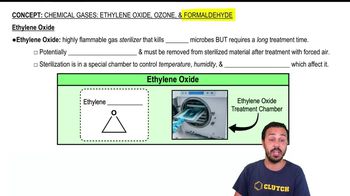
    A highly penetrative, flammable, and carcinogenic gas sterilizer effective against all microbes, including endospores, requiring specialized chambers for safe use.
  • Sterilization

    A process that eliminates all forms of microbial life, including endospores, often achieved using chemical gases in controlled environments.
  • Endospore

    A highly resistant microbial structure that survives extreme conditions and is targeted by potent sterilizing agents like ethylene oxide.
  • Carcinogen

    A substance capable of contributing to cancer development, necessitating careful handling and removal after sterilization procedures.
  • Formaldehyde

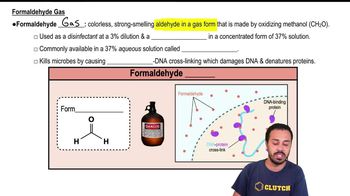
    A colorless, strong-smelling aldehyde used as a gas or in solution to control microbes by causing protein-DNA cross-linking.
  • Formalin

    A 37% aqueous solution of formaldehyde, used for microbial control by damaging DNA and denaturing proteins.
  • Protein-DNA Cross-Linking

    A chemical process where proteins are covalently bonded to DNA, disrupting cellular function and leading to microbe destruction.
  • Denaturation

    A structural alteration of proteins, often caused by chemicals like formaldehyde, resulting in loss of biological activity.
  • Ozone

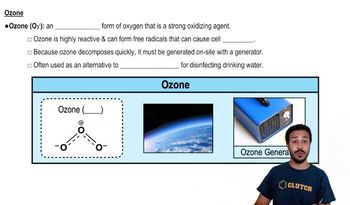
    An unstable, highly reactive O3 molecule acting as a strong oxidizing agent, used for disinfection and cell lysis.
  • Oxidizing Agent

    A chemical that induces oxidation in other molecules, often leading to microbial cell damage or death.
  • Free Radical

    A highly reactive molecule formed during ozone exposure, capable of causing cell lysis by damaging cellular components.
  • Cell Lysis

    The rupture and destruction of a cell, often resulting from exposure to reactive chemicals like ozone.
  • Ozone Generator

    A device that produces ozone on-site due to its rapid decomposition, enabling immediate use for microbial control.
  • Atmospheric Protection

    A role played by ozone in shielding living organisms from harmful ultraviolet light from the sun.
  • Disinfection

    A process that reduces or eliminates pathogenic microbes, often using chemical agents like ozone or formaldehyde.