Back

Animal Viruses: 1. Attachment to the Host Cell definitions

Control buttons has been changed to "navigation" mode.
1/13
  • Animal Virus

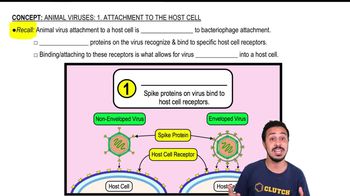
    A microscopic infectious agent that targets animal cells, initiating infection by binding to specific cell surface molecules.
  • Attachment

    The initial phase where viral surface structures connect with host cell molecules, enabling subsequent entry.
  • Host Cell

    A living cell that provides the necessary environment and machinery for viral replication after viral entry.
  • Spike Protein

    A protruding viral structure responsible for recognizing and binding to specific molecules on the host cell surface.
  • Receptor

    A specific molecule on the host cell membrane that interacts with viral surface structures, determining susceptibility to infection.
  • Protein Interaction

    A molecular event where viral and cellular proteins specifically recognize and bind to each other, initiating infection.
  • Non-enveloped Virus

    A viral particle lacking an outer lipid layer, with surface structures directly exposed on its protein coat.
  • Enveloped Virus

    A viral particle surrounded by a lipid membrane, with surface structures embedded or protruding from this envelope.
  • Lipid Envelope

    A fatty outer layer derived from host membranes, surrounding some viruses and housing surface structures.
  • Protein Coat

    A protective shell composed of proteins that encases the viral genetic material and may display surface structures.
  • Entry

    The process following initial binding, where the viral particle penetrates the host cell to begin infection.
  • Surface Receptor

    A molecule exposed on the host cell exterior that serves as a docking site for viral attachment.
  • Bacteriophage

    A virus that infects bacterial cells, using mechanisms similar to animal viruses for initial host recognition.