Textbook Question
A eukaryote with a diploid number of 2n=6 carries the chromosomes shown below and labeled (a) to (f).
Explain how you determined the correct alignment of homologous chromosomes on opposite sides of the metaphase plate.
1
views

 Sanders 3rd EditionCh. 10 - Eukaryotic Chromosome Abnormalities and Molecular OrganizationProblem 28c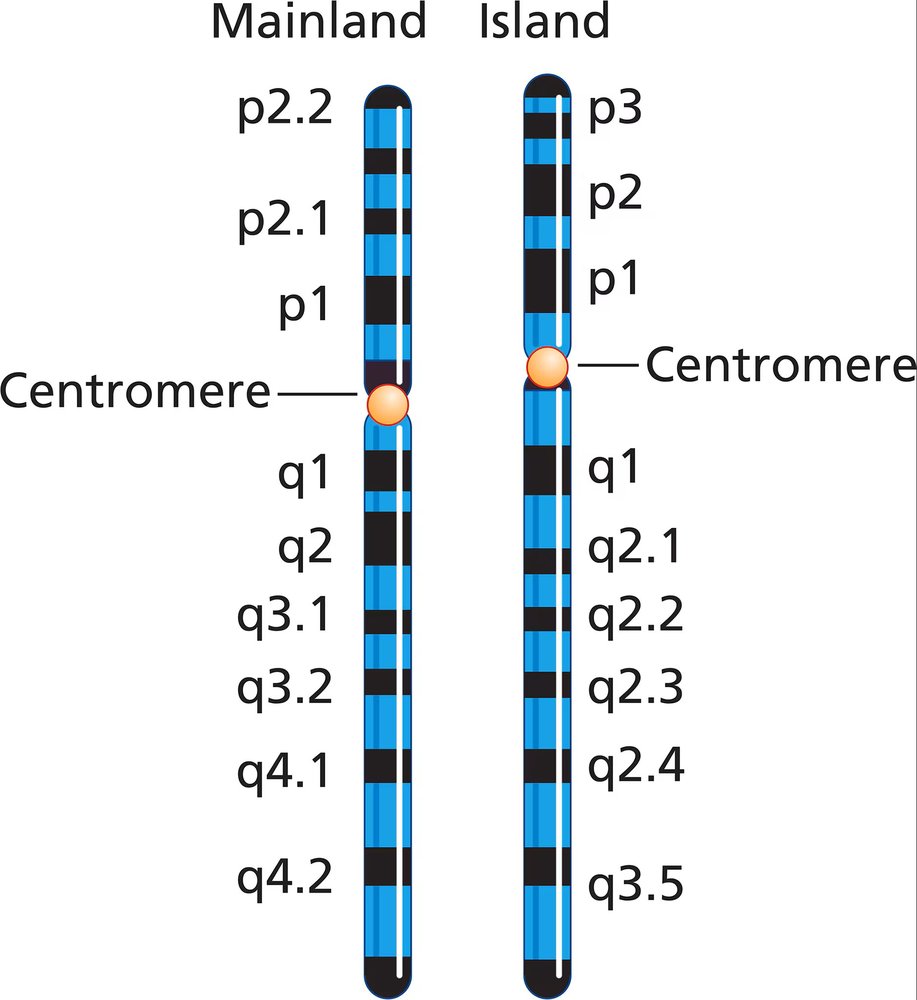
 Verified step by step guidance
 07:10
07:10
 03:51
03:51 04:06
04:06A eukaryote with a diploid number of 2n=6 carries the chromosomes shown below and labeled (a) to (f).
Explain how you determined the correct alignment of homologous chromosomes on opposite sides of the metaphase plate.
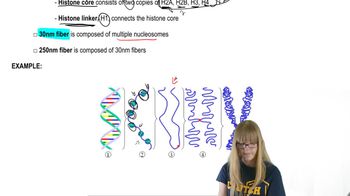
Genomic DNA from the nematode worm Caenorhabditis elegans is organized by nucleosomes in the manner typical of eukaryotic genomes, with 145 bp encircling each nucleosome and approximately 55 bp in linker DNA. When C. elegans chromatin is carefully isolated, stripped of nonhistone proteins, and placed in an appropriate buffer, the chromatin decondenses to the 10-nm fiber structure. Suppose researchers mix a sample of 10-nm–fiber chromatin with a large amount of the enzyme DNase I that randomly cleaves DNA in regions not protected by bound protein. Next, they remove the nucleosomes, separate the DNA fragments by gel electrophoresis, and stain all the DNA fragments in the gel.
How do the expected results support the 10-nm–fiber model of chromatin?
A eukaryote with a diploid number of 2n=6 carries the chromosomes shown below and labeled (a) to (f).
Carefully examine and redraw these chromosomes in any valid metaphase I alignment. Draw and label the metaphase plate, and label each chromosome with its assigned letter.
A small population of deer living on an isolated island is separated for many generations from a mainland deer population. The populations retain the same number of chromosomes but hybrids are infertile. One chromosome (shown here) has a different banding pattern in the island population than in the mainland population.
Suppose that 40% of all meioses in mainland–island hybrids involve recombination somewhere in the chromosome region between q2.1 and p2. What proportion of the gametes of hybrid deer are viable? What is the cause of the decreased proportion of viable gametes in hybrids relative to the parental populations?
A small population of deer living on an isolated island is separated for many generations from a mainland deer population. The populations retain the same number of chromosomes but hybrids are infertile. One chromosome (shown here) has a different banding pattern in the island population than in the mainland population.
Draw the synapsis of these homologs during prophase I in hybrids produced from the cross of mainland with island deer.
A small population of deer living on an isolated island is separated for many generations from a mainland deer population. The populations retain the same number of chromosomes but hybrids are infertile. One chromosome (shown here) has a different banding pattern in the island population than in the mainland population.
Describe how the banding pattern of the island population chromosome most likely evolved from the mainland chromosome. What term or terms describe the difference between these chromosomes?