 Back
BackChromosomes, Cell Cycle, and Cell Division: A Mini-Textbook Study Guide
Study Guide - Smart Notes
 Tailored notes based on your materials, expanded with key definitions, examples, and context.
Chromosomes and Chromatin
Structure and Types of Chromosomes
Chromosomes are highly organized structures of DNA and protein found in the nucleus of eukaryotic cells. They carry genetic information essential for inheritance and cellular function.
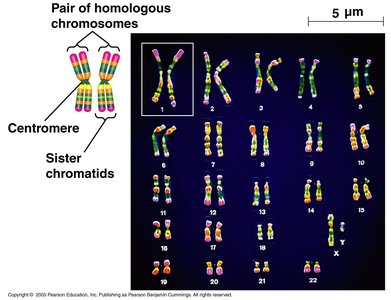
Homologous Chromosomes: Chromosomes that exist in pairs, one from each parent, and are similar in size, shape, and gene content.
Autosomes: Non-sex chromosomes; humans have 22 pairs.
Sex Chromosomes: Determine biological sex (XX for females, XY for males in humans). The X chromosome is larger and contains more genes than the Y chromosome.
Centromere: The constricted region joining sister chromatids, essential for proper chromosome segregation during cell division.
Sister Chromatids: Identical copies of a chromosome connected at the centromere, formed during DNA replication.
Chromatin vs. Chromosomes
DNA exists in two forms within the cell, depending on the stage of the cell cycle:
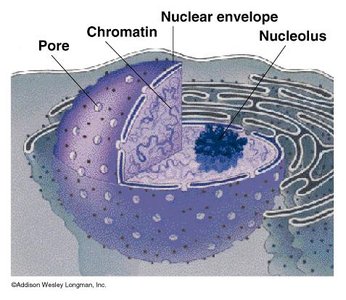
Chromatin: Loosely packed DNA, present during interphase, allowing access for transcription and replication.
Chromosomes: Condensed, tightly packed DNA, visible during cell division (mitosis and meiosis).
Gene Loci and Alleles
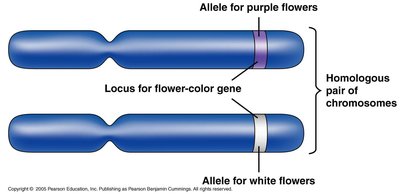
Genes are specific sequences of DNA located on chromosomes. Each gene has a specific position, or locus, and may exist in different forms called alleles.
Locus: The physical location of a gene on a chromosome.
Allele: A variant form of a gene; different alleles can result in different traits.
The Cell Cycle
Phases of the Eukaryotic Cell Cycle
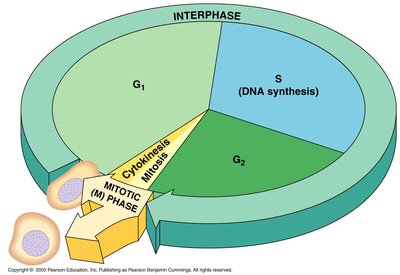
The cell cycle is the series of events that cells go through as they grow and divide. It consists of interphase (G1, S, G2) and the mitotic (M) phase.
G1 Phase (Gap 1): Cell grows and performs normal functions.
S Phase (Synthesis): DNA is replicated.
G2 Phase (Gap 2): Cell prepares for division.
M Phase (Mitosis and Cytokinesis): Division of the nucleus and cytoplasm to form two daughter cells.
Cell Division: Mitosis
Purpose and Overview
Mitosis is the process by which a eukaryotic cell divides its nucleus and genetic material to produce two genetically identical daughter cells. It is essential for growth, tissue repair, and asexual reproduction.
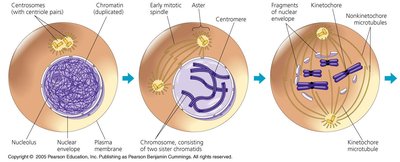
Prophase: Chromatin condenses into visible chromosomes, nucleolus disappears, and mitotic spindle forms.
Metaphase: Chromosomes align at the metaphase plate, spindle fibers attach to kinetochores.
Anaphase: Sister chromatids separate and move toward opposite poles.
Telophase: Chromosomes decondense, nuclear envelope reforms, and cytokinesis begins.
Cytokinesis: Division of the cytoplasm, resulting in two separate cells.
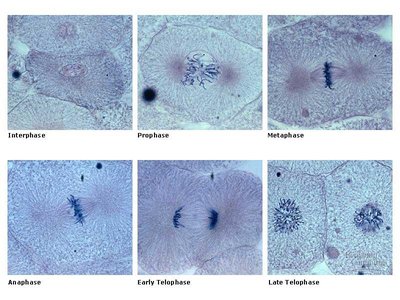
Microscopic Features of Mitosis
Each stage of mitosis can be identified by distinct changes in chromosome structure and cell morphology.
Prophase: Chromosomes condense, spindle apparatus forms.
Metaphase: Chromosomes align at the cell's equator.
Anaphase: Chromatids are pulled apart.
Telophase: Chromosomes reach poles, nuclear envelope reforms.
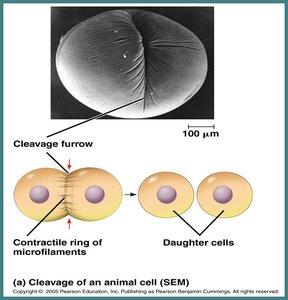
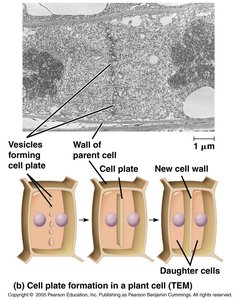
Cytokinesis in Animal and Plant Cells
Cytokinesis differs between animal and plant cells due to structural differences:
Animal Cells: Cleavage furrow forms, pinching the cell into two.
Plant Cells: Cell plate forms, developing into a new cell wall between daughter cells.
Cell Division: Meiosis and Sexual Reproduction
Overview of Meiosis
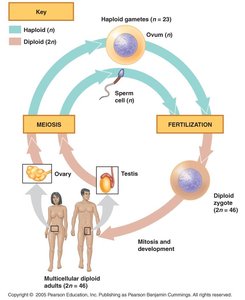
Meiosis is a specialized form of cell division that reduces the chromosome number by half, producing four genetically unique haploid gametes. It is essential for sexual reproduction and genetic diversity.
Meiosis I: Homologous chromosomes separate, reducing chromosome number.
Meiosis II: Sister chromatids separate, similar to mitosis.
Crossing Over: Exchange of genetic material between homologous chromosomes during prophase I, increasing genetic variation.
Independent Assortment: Random distribution of homologous chromosomes to gametes.
Genetic Variation in Sexual Reproduction
Sexual reproduction introduces genetic diversity through independent assortment, crossing over, and random fertilization.
Each human can produce over 8.3 million different gametes due to independent assortment.
Fertilization further increases diversity, with over 64 trillion possible zygote combinations (not including crossing over).
Prokaryotic Cell Division
Binary Fission
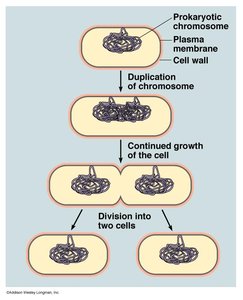
Prokaryotes, such as bacteria, divide by a simpler process called binary fission. This process involves the replication of a single circular chromosome and division of the cell into two genetically identical daughter cells.
Chromosome Duplication: The single, circular DNA molecule is replicated.
Cell Growth: The cell elongates as the DNA is separated.
Division: The cell membrane pinches inward, dividing the cell into two.
Summary Table: Comparison of Mitosis and Meiosis
Feature | Mitosis | Meiosis |
|---|---|---|
Number of Divisions | 1 | 2 |
Number of Daughter Cells | 2 | 4 |
Chromosome Number in Daughter Cells | Diploid (2n) | Haploid (n) |
Genetic Identity | Identical to parent | Genetically unique |
Function | Growth, repair, asexual reproduction | Sexual reproduction |
Key Terms and Definitions
Chromosome: A DNA molecule with part or all of the genetic material of an organism.
Chromatid: Each of the two thread-like strands into which a chromosome divides during cell division.
Centromere: The region of a chromosome where the two sister chromatids attach.
Homologous Chromosomes: Chromosome pairs, one from each parent, that are similar in length, gene position, and centromere location.
Allele: One of two or more alternative forms of a gene found at the same place on a chromosome.
Locus: The specific physical location of a gene or other significant sequence on a chromosome.
Binary Fission: A form of asexual reproduction in prokaryotes that results in two identical daughter cells.
Crossing Over: The exchange of genetic material between homologous chromosomes during meiosis I.
Independent Assortment: The random distribution of homologous chromosomes during meiosis I.
