 Back
BackSpeciation: Mechanisms and Processes
Study Guide - Smart Notes
 Tailored notes based on your materials, expanded with key definitions, examples, and context.
Speciation
Introduction to Speciation
Speciation is the evolutionary process by which populations evolve to become distinct species. It is a fundamental concept in evolutionary biology and explains the diversity of life on Earth. Speciation can occur with or without geographic separation and involves the development of reproductive isolating mechanisms that prevent gene flow between populations.
Gene flow: The transfer of genetic material between populations. Restriction of gene flow is a key step in speciation.
Reproductive isolation: The existence of biological barriers that prevent two species from interbreeding and producing viable, fertile offspring.
Genetic divergence: Accumulation of genetic differences between populations, leading to the formation of new species.
Modes of Speciation
Allopatric Speciation
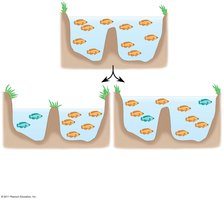
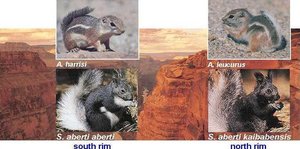
Allopatric speciation occurs when a population is geographically separated, leading to the formation of new species. Physical barriers such as mountains, rivers, or land bridges can divide populations, restricting gene flow and allowing genetic differences to accumulate.
Vicariance: The separation of a population by a physical barrier (e.g., mountain range, glacier, or land bridge).
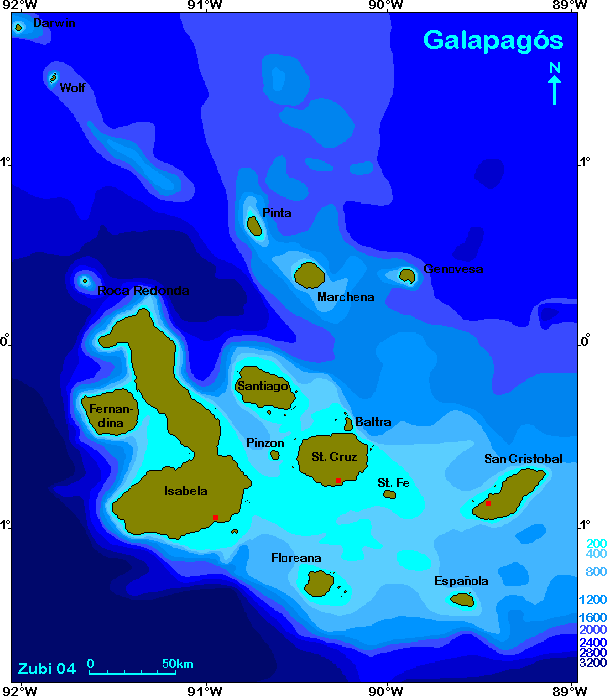
Dispersal: A subset of individuals colonizes a new, geographically remote area, becoming isolated from the parent population.
Genetic drift: Random changes in allele frequencies, especially in small populations, can accelerate divergence.
Adaptive radiation: The rapid evolution of multiple species from a common ancestor, often following colonization of new habitats.

Sympatric Speciation
Sympatric speciation occurs without geographic separation. Instead, new species arise within the same geographic area, often due to genetic changes that result in reproductive isolation.
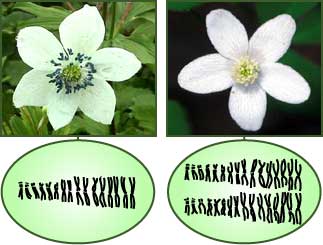
Polyploidy: The presence of extra sets of chromosomes due to errors in cell division. Polyploidy is a major mechanism of sympatric speciation in plants.
Habitat differentiation: Subpopulations exploit different resources or habitats within the same area, leading to reproductive isolation.
Sexual selection: Divergence in mate choice can lead to reproductive isolation even in the absence of physical barriers.
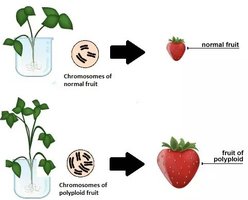
Polyploidy and Speciation
Types of Polyploidy
Polyploidy is a condition in which an organism has more than two complete sets of chromosomes. It is especially common in plants and can lead to instant reproductive isolation.
Autopolyploid: An individual with more than two chromosome sets, all derived from a single species.
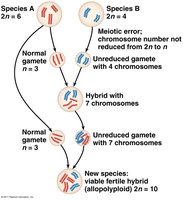
Allopolyploid: A species with multiple sets of chromosomes derived from different species, often through hybridization followed by chromosome doubling.
Autopolyploid Speciation
Autopolyploidy results from errors in meiosis that produce gametes with extra chromosome sets. If two such gametes fuse, the resulting offspring can be tetraploid (4n). Tetraploids can reproduce with each other but are reproductively isolated from the original diploid population due to mismatched chromosome numbers.
Viable offspring: Tetraploids can self-pollinate or mate with other tetraploids to produce fertile offspring.
Reproductive isolation: Crosses between tetraploids and diploids produce triploid (3n) offspring, which are usually sterile due to problems during meiosis.
Allopolyploid Speciation
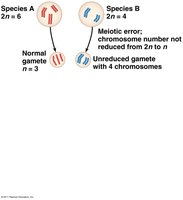
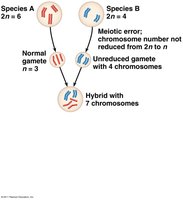
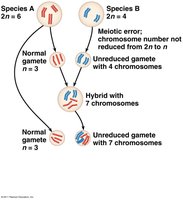
Allopolyploidy involves hybridization between two different species, followed by chromosome doubling. The resulting hybrids have chromosome sets from both parent species and can become fertile if chromosome doubling restores homologous pairs.
Hybridization: Initial hybrids are often sterile, but chromosome doubling can create a new, fertile species.
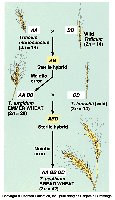
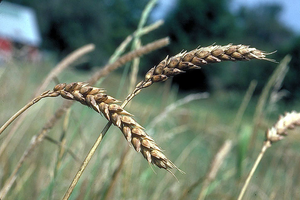
Example: Common bread wheat (Triticum aestivum) is an allohexaploid (6n) with chromosomes from three different species.
Summary Table: Allopatric vs. Sympatric Speciation
Feature | Allopatric Speciation | Sympatric Speciation |
|---|---|---|
Geographic Isolation | Required | Not required |
Main Mechanisms | Physical barriers, dispersal, vicariance | Polyploidy, habitat differentiation, sexual selection |
Common in | Animals and plants | Plants (especially polyploidy) |
Examples | Darwin's finches, Grand Canyon squirrels | Polyploid plants, cichlid fish in African lakes |
Steps to Speciation
The process of speciation generally follows these steps:
Restriction of gene flow between populations (allopatric or sympatric mechanisms).
Genetic divergence due to mutation, natural selection, and genetic drift.
Development of reproductive isolating mechanisms.
Formation of new species once reproductive isolation is complete.
