 Back
BackHunger, Satiety, and Hormones: Regulation of Food Intake
Study Guide - Smart Notes
 Tailored notes based on your materials, expanded with key definitions, examples, and context.
Hunger, Satiety, and Hormones
Introduction to Hunger and Satiety
The regulation of hunger and satiety is a complex physiological process involving the nervous and endocrine systems. These mechanisms ensure that the body maintains energy balance by signaling when to start and stop eating.
Hunger: The physiological drive to eat, often triggered by internal signals such as an empty stomach.
Appetite: The psychological desire to eat, which can be stimulated by external cues like the sight or smell of food.
Satiety: The feeling of fullness that leads to the cessation of eating.
The body uses internal (physiological) and external (psychological) measures to determine hunger and satiety.
Key Components in Hunger and Satiety Regulation
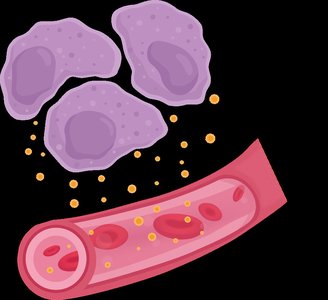
Hormones: Chemical messengers released into the bloodstream that regulate hunger and satiety. Major hormones include ghrelin, cholecystokinin (CCK), insulin, and leptin.
Nerve Cells: Specialized cells in the stomach and small intestine detect stretching (fullness) or low pressure (emptiness) and send signals to the brain.
Nutrient Intake: Nutrients such as protein and fiber promote satiety by slowing digestion and prolonging the feeling of fullness.
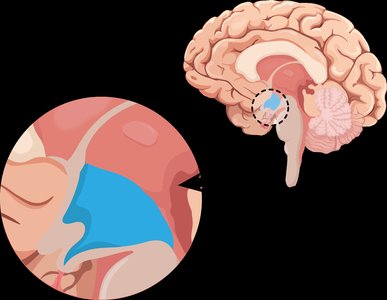
Hypothalamus: A region of the brain that integrates signals related to hunger and satiety, containing both a hunger center and a satiety center.
Hormonal Regulation of Hunger and Satiety
Several hormones play crucial roles in signaling hunger and satiety to the brain, particularly the hypothalamus.
Ghrelin: Produced by the stomach when it is empty; stimulates hunger.
Cholecystokinin (CCK): Released by the small intestine in response to food; promotes satiety by stimulating the release of digestive enzymes and bile.
Insulin: Secreted by the pancreas in response to elevated blood glucose; promotes satiety and helps regulate blood sugar.
Leptin: Produced by fat cells when energy stores are sufficient; signals long-term satiety and helps regulate body weight.
Hormones and the Digestive System
Hormones not only regulate hunger and satiety but also play a role in blood glucose homeostasis and digestive processes.
Insulin: Released from the pancreas; signals the liver to store glucose, lowering blood sugar levels.
Glucagon: Also from the pancreas; signals the liver to release stored glucose, raising blood sugar levels.
CCK: Stimulates the gall bladder and pancreas to release digestive fluids, contributing to the feeling of fullness.
Leptin: Regulates long-term energy intake and expenditure.

Mechanisms of Hormone Action
Hormones are released by glands, travel through the bloodstream, and bind to specific receptors on target cells to exert their effects.
This process is part of the endocrine system, which coordinates physiological responses throughout the body.
Practice and Application
Proteins contribute more to satiety than carbohydrates, making high-protein meals more filling.
Hormones can signal both hunger and satiety, depending on the specific hormone and context.
The hypothalamus (not the frontal cortex) is the primary brain region integrating hunger and satiety signals.
Hormones: Hunger vs. Satiety
Hormone | Promotes Hunger | Promotes Satiety |
|---|---|---|
Ghrelin | ✔ | |
Cholecystokinin (CCK) | ✔ | |
Insulin | ✔ | |
Leptin | ✔ |
Leptin Insensitivity and Obesity
Obese individuals often have high levels of leptin but are insensitive to its effects, a condition known as leptin resistance.
If a person is insensitive to leptin, their body does not respond to signals of satiety, increasing the likelihood of overeating and weight gain.
In leptin insensitivity, the target cell (not the gland or hormone itself) is not functioning properly.
Sample Questions and Answers
Which hormone is the primary hunger hormone released by the stomach? Answer: Ghrelin.
Which hormone is released in response to increased blood sugar levels? Answer: Insulin.
If you have not eaten for several hours, which hormones would you expect to be in relatively high concentrations in your blood? Answer: Glucagon and ghrelin.
Summary Table: Hormones and Their Functions
Hormone | Source | Main Function |
|---|---|---|
Ghrelin | Stomach | Stimulates hunger |
Cholecystokinin (CCK) | Small intestine | Promotes satiety, stimulates digestive enzyme release |
Insulin | Pancreas | Lowers blood glucose, promotes satiety |
Glucagon | Pancreas | Raises blood glucose |
Leptin | Fat cells (adipose tissue) | Long-term regulation of food intake and energy balance |
Key Equations
Blood glucose regulation by insulin and glucagon can be summarized as:
Additional info:
Fiber slows gastric emptying, contributing to prolonged satiety.
Disruptions in hormone signaling (e.g., leptin resistance) are key factors in metabolic disorders such as obesity.
