Ch. 2 Basic Chemistry
Marieb - Essentials of Human Anatomy & Physiology 13th Edition
Marieb13th EditionEssentials of Human Anatomy & PhysiologyISBN: 9780135624340Not the one you use?Change textbook
Chapter 2, Problem 24

Mrs. Roberts, who is in a diabetic coma, has just been admitted to Noble Hospital. Her blood pH indicates that she is in severe acidosis (blood pH in the acid range), and the medical staff quickly institute measures to bring her blood pH back within normal limits. Note the normal pH of blood, and discuss why severe acidosis is a problem.

Verified step by step guidance
1
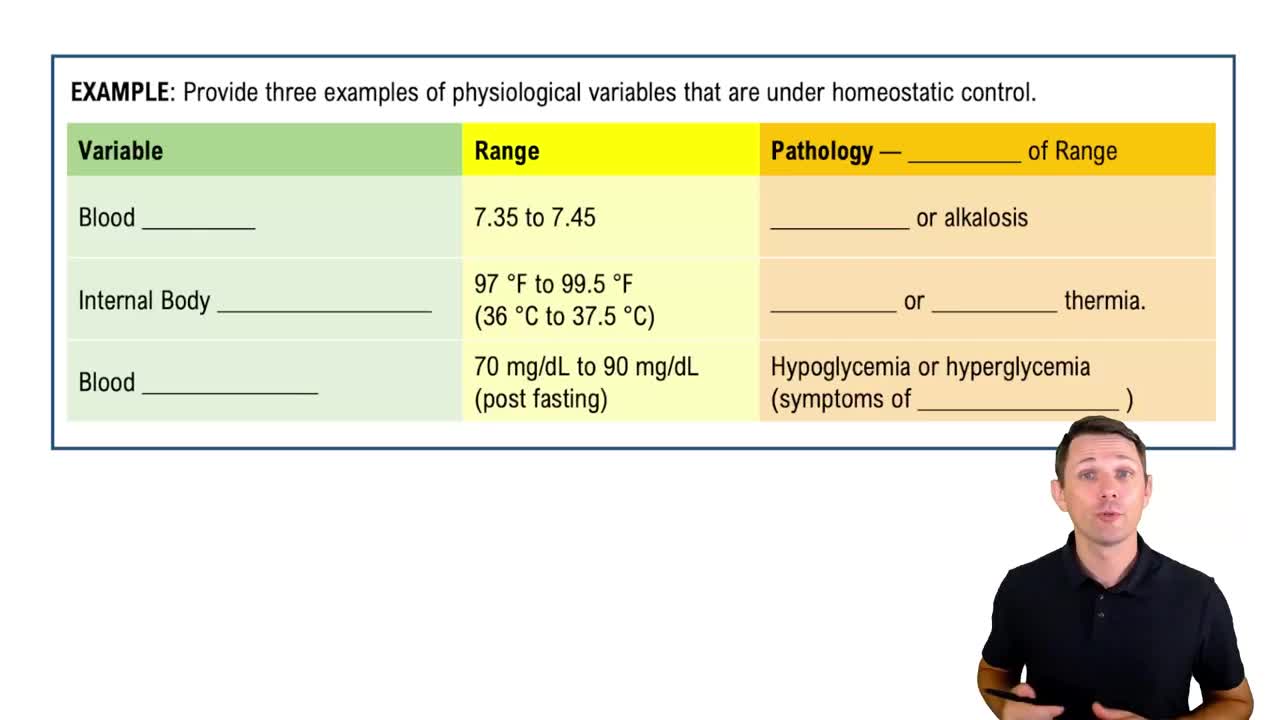
Understand the normal pH range of blood: The normal pH of blood is tightly regulated between 7.35 and 7.45. This range is slightly alkaline, and any deviation outside this range can disrupt normal physiological processes.
Define acidosis: Acidosis occurs when the blood pH drops below 7.35, indicating an excess of hydrogen ions (H⁺) in the blood. Severe acidosis, as in Mrs. Roberts' case, means the pH has dropped significantly below this threshold.
Explain why severe acidosis is a problem: A low blood pH can impair enzyme function, disrupt cellular metabolism, and interfere with the oxygen-carrying capacity of hemoglobin. This can lead to symptoms such as confusion, fatigue, and in severe cases, coma or death.
Relate acidosis to diabetes: In diabetic patients, severe acidosis is often caused by diabetic ketoacidosis (DKA). This condition occurs when the body breaks down fats for energy due to a lack of insulin, producing acidic ketone bodies that lower blood pH.
Discuss the medical response: To treat severe acidosis, the medical team will typically administer intravenous fluids to correct dehydration, insulin to reduce blood glucose levels, and bicarbonate if necessary to buffer the excess hydrogen ions and restore normal pH levels.

Verified video answer for a similar problem:

This video solution was recommended by our tutors as helpful for the problem above.
Video duration:
2m
Was this helpful?

Key Concepts

Here are the essential concepts you must grasp in order to answer the question correctly.

Normal Blood pH Range

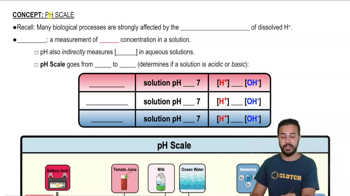
The normal pH range for human blood is typically between 7.35 and 7.45. Maintaining this range is crucial for proper physiological function, as even slight deviations can disrupt metabolic processes and enzyme activity. A pH below 7.35 indicates acidosis, which can lead to serious health complications.
Recommended video:
07:58
pH Scale

Acidosis

Acidosis is a condition characterized by an excess of hydrogen ions in the body, leading to a decrease in blood pH. This can result from various factors, including respiratory issues or metabolic disturbances, such as uncontrolled diabetes. Severe acidosis can impair organ function, disrupt cellular processes, and, if untreated, can be life-threatening.
Recommended video:
Guided course
03:46
Homeostasis Example 1

Compensatory Mechanisms

The body has several compensatory mechanisms to counteract acidosis, including increased respiratory rate to expel carbon dioxide and renal adjustments to excrete excess acids. However, these mechanisms can become overwhelmed in severe cases, necessitating medical intervention to restore normal pH levels and prevent further complications.
Recommended video:
3:02
Internal Regulation - The Myogenic Mechanism