Ch. 11 Cardiovascular System
Marieb - Essentials of Human Anatomy & Physiology 13th Edition
Marieb13th EditionEssentials of Human Anatomy & PhysiologyISBN: 9780135624340Not the one you use?Change textbook
Chapter 11, Problem 27

Two elements determine blood pressure—the cardiac output of the heart and the peripheral resistance, or friction, in the blood vessels. Name two factors that increase cardiac output. Name two factors that increase peripheral resistance.

Verified step by step guidance
1
Understand that blood pressure is influenced by two main factors: cardiac output and peripheral resistance. Cardiac output refers to the amount of blood the heart pumps per minute, while peripheral resistance refers to the resistance to blood flow in the blood vessels.
Identify two factors that increase cardiac output. Cardiac output is determined by heart rate and stroke volume (the amount of blood ejected by the heart per beat). Factors that increase cardiac output include: 1) Increased heart rate (e.g., due to sympathetic nervous system activation or stress), and 2) Increased stroke volume (e.g., due to enhanced contractility of the heart or increased venous return).
Recognize that peripheral resistance is influenced by the diameter of blood vessels and the viscosity of blood. Narrower blood vessels or thicker blood increase resistance to flow.
Identify two factors that increase peripheral resistance. These include: 1) Vasoconstriction (narrowing of blood vessels, often caused by sympathetic nervous system activation or certain hormones like epinephrine), and 2) Increased blood viscosity (e.g., due to higher hematocrit levels or dehydration).
Summarize the relationship: Increased cardiac output and increased peripheral resistance both contribute to higher blood pressure. Understanding these factors helps explain how the body regulates blood pressure in response to various physiological conditions.

Verified video answer for a similar problem:

This video solution was recommended by our tutors as helpful for the problem above.
Video duration:
1m
Was this helpful?

Key Concepts

Here are the essential concepts you must grasp in order to answer the question correctly.

Cardiac Output

Cardiac output refers to the volume of blood the heart pumps per minute, which is a product of heart rate and stroke volume. It is a critical determinant of blood pressure, as higher cardiac output increases the amount of blood flowing through the circulatory system, thereby raising blood pressure. Factors that can increase cardiac output include increased heart rate due to exercise or stress and increased stroke volume from enhanced venous return.
Recommended video:
Guided course
9:44
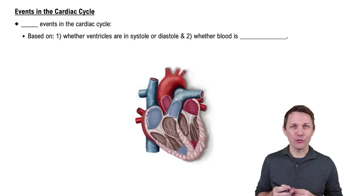
Events in the Cardiac Cycle

Peripheral Resistance

Peripheral resistance is the resistance to blood flow in the blood vessels, primarily influenced by the diameter of the arterioles. When blood vessels constrict, resistance increases, leading to higher blood pressure. Factors that can increase peripheral resistance include vasoconstriction caused by sympathetic nervous system activation and the presence of atherosclerosis, which narrows the arteries.
Recommended video:
3:33
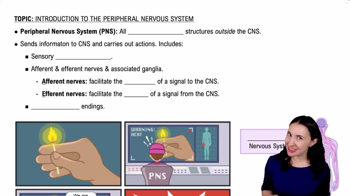
Peripheral Nervous System

Blood Pressure Regulation

Blood pressure regulation involves complex interactions between cardiac output and peripheral resistance, governed by various physiological mechanisms. The body maintains blood pressure through neural and hormonal responses, adjusting heart rate, blood vessel diameter, and blood volume. Understanding these regulatory mechanisms is essential for comprehending how changes in cardiac output and peripheral resistance affect overall blood pressure.
Recommended video:
Guided course
6:12
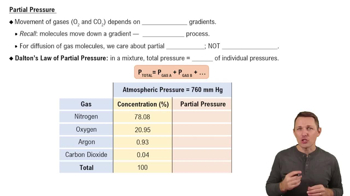
Partial Pressure
Related Practice
Textbook Question

Capillary permeability increase and plasma proteins leak into the interstitial fluid as part of the inflammatory process. Why is this desirable?

1
views
Textbook Question

What is the function of the hepatic portal circulation? In what way is a portal circulation a 'strange' circulation?

1
views
Textbook Question

Mrs. Hamad, a middle-aged woman, is admitted to the coronary care unit with a diagnosis of left ventricular failure resulting from a myocardial infarction. Her chart indicates that she was awakened in the middle of the night by severe chest pain. Her skin is pale and cold, and moist sounds of pulmonary edema are heard over the lower regions of both lungs. Explain how failure of the left ventricle might cause these signs and symptoms.

5
views
Textbook Question

John is a 30-year-old man who is overweight and smokes. He has been diagnosed with hypertension and arteriosclerosis. Define each of these conditions. How are they often related? Why is hypertension called the 'silent killer'? Name three changes in your lifestyle that might help prevent cardiovascular disease in your old age.

2
views
Textbook Question

Mrs. Rees is brought to the emergency room after being involved in an auto accident. She is hemorrhaging and has a rapid pulse that can barely be felt, but her blood pressure is still within normal limits. Describe the compensatory mechanisms that are maintaining her blood pressure in the face of blood loss.

1
views
Textbook Question

Name three factors that are important in promoting venous return.

1
views