Explain how a slight (but smooth) contraction differs from a vigorous contraction of the same muscle. Use the concepts of multiple motor unit summation.
Ch. 9 Muscles and Muscle Tissue

Marieb, Hoehn11th EditionHuman Anatomy & PhysiologyISBN: 9780136874034Not the one you use?Change textbook
Chapter 9, Problem 21
Describe some cause(s) of muscle fatigue and define this term clearly.
Verified step by step guidance1
Define muscle fatigue: Muscle fatigue is the decline in the ability of a muscle to generate force or perform sustained activity, often due to prolonged or intense physical exertion.
Explain the role of energy depletion: Muscle fatigue can occur when the muscle cells deplete their stores of ATP (adenosine triphosphate), which is the primary energy source for muscle contraction.
Discuss the accumulation of metabolic byproducts: During intense exercise, the buildup of lactic acid and hydrogen ions can lower the pH within muscle cells, interfering with enzyme activity and impairing contraction.
Describe the role of ion imbalances: Muscle fatigue can result from imbalances in calcium ions (Ca²⁺) and potassium ions (K⁺), which are essential for proper muscle contraction and relaxation cycles.
Mention central fatigue: In addition to local muscle factors, central fatigue involves the nervous system's reduced ability to sustain signals to the muscles, often influenced by psychological factors or neurotransmitter depletion.

Verified video answer for a similar problem:
This video solution was recommended by our tutors as helpful for the problem above.
Video duration:
5mWas this helpful?
Key Concepts
Here are the essential concepts you must grasp in order to answer the question correctly.
Muscle Fatigue
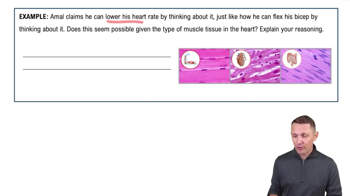
Muscle fatigue is a temporary decrease in the ability of a muscle to generate force. It occurs after prolonged or intense physical activity and is characterized by a feeling of weakness or tiredness in the muscles. This phenomenon can result from various physiological changes, including depletion of energy sources, accumulation of metabolic byproducts, and alterations in neuromuscular function.
Recommended video:
Guided course
Introduction to Muscles and Muscle Tissue Example 1
Energy Depletion
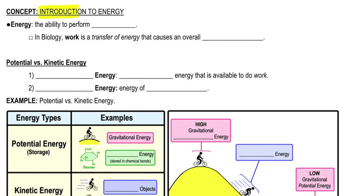
Energy depletion refers to the reduction of adenosine triphosphate (ATP) levels in muscle cells during sustained exercise. ATP is the primary energy currency of the cell, and its depletion can impair muscle contraction and lead to fatigue. Factors contributing to energy depletion include prolonged exercise, inadequate nutrition, and insufficient recovery time.
Recommended video:
Introduction to Energy
Metabolic Byproducts
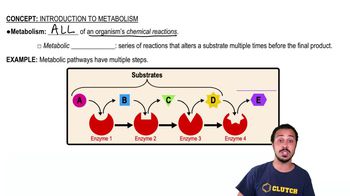
Metabolic byproducts, such as lactic acid, accumulate in muscles during intense exercise when oxygen levels are low. The buildup of these substances can interfere with muscle function and contribute to the sensation of fatigue. Understanding the role of these byproducts is crucial for comprehending how they affect muscle performance and recovery.
Recommended video:
Introduction to Metabolism
Related Practice
Textbook Question
2
views
Textbook Question
Explain what is meant by the term excitation-contraction coupling.
1
views
Textbook Question
When a suicide victim was found, the coroner was unable to remove the drug vial clutched in his hand. Explain the reasons for this. If the victim had been discovered three days later, would the coroner have had the same difficulty? Explain.
3
views
Textbook Question
a. Describe the structure of a sarcomere and indicate the relationship of the sarcomere to myofilaments.
b. Explain the sliding filament model of contraction using appropriately labeled diagrams of a relaxed and a contracted sarcomere.
1
views
Textbook Question
True or false: Most muscles contain a predominance of one skeletal muscle fiber type. Explain the reasoning behind your choice.
5
views
Textbook Question
Define and draw a motor unit.
2
views