Ch. 26 Fluid, Electrolyte, and Acid-Base Balance
Marieb - Human Anatomy & Physiology 11th Edition
Marieb, Hoehn11th EditionHuman Anatomy & PhysiologyISBN: 9780136874034Not the one you use?Change textbook
Chapter 26, Problem 6

Two substances regulated by parathyroid hormone are:
a. Ammonium ions
b. Bicarbonate
c. Calcium
d. Chloride
e. Hydrogen ions
f. Magnesium
g. Phosphate
h. Potassium
i. Sodium
j. Water

Verified step by step guidance
1
Step 1: Understand the role of parathyroid hormone (PTH). PTH primarily regulates minerals in the body, especially those involved in bone metabolism and calcium homeostasis.
Step 2: Identify substances related to calcium metabolism. PTH increases blood calcium levels by stimulating bone resorption, increasing calcium reabsorption in the kidneys, and promoting activation of vitamin D to enhance intestinal calcium absorption.
Step 3: Recognize that PTH also affects phosphate levels. It decreases phosphate reabsorption in the kidneys, leading to increased phosphate excretion in urine, which helps maintain proper phosphate balance.
Step 4: Review the list of substances and select those directly regulated by PTH based on its physiological effects: calcium and phosphate.
Step 5: Confirm that other substances listed (such as ammonium ions, bicarbonate, chloride, hydrogen ions, magnesium, potassium, sodium, and water) are not primary targets of PTH regulation.

Verified video answer for a similar problem:

This video solution was recommended by our tutors as helpful for the problem above.
Video duration:
5m
Was this helpful?

Key Concepts

Here are the essential concepts you must grasp in order to answer the question correctly.

Parathyroid Hormone (PTH) Function

Parathyroid hormone is a key regulator of calcium and phosphate metabolism in the body. It increases blood calcium levels by stimulating bone resorption, enhancing calcium reabsorption in the kidneys, and promoting activation of vitamin D to increase intestinal calcium absorption.
Recommended video:
Guided course
13:06
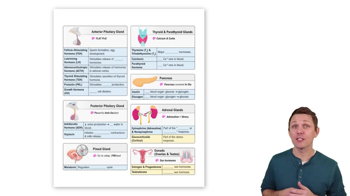
Review of Major Hormones

Calcium Homeostasis

Calcium homeostasis involves maintaining stable calcium levels in the blood and extracellular fluid, essential for muscle contraction, nerve function, and bone health. PTH raises calcium levels by reducing renal excretion and mobilizing calcium from bones.
Recommended video:
Guided course
01:59
Introduction to Homeostasis

Phosphate Regulation by PTH

PTH decreases phosphate reabsorption in the kidneys, leading to increased phosphate excretion in urine. This helps prevent excessive phosphate accumulation in the blood, balancing calcium and phosphate levels critical for bone mineralization.
Recommended video:
03:31
Cell Cycle Regulation