Ch. 20 The Lymphatic System and Immunity
Amerman- Human Anatomy & Physiology 3e
Amerman3rd EditionHuman Anatomy & PhysiologyISBN: 9780138247201, 9780138247928, 9780138201814Not the one you use?Change textbook
Chapter 20, Problem L2.1b

Eileen presents with flu-like symptoms, including fever, chills, and body aches.
You order blood work and find that the number of neutrophils in the blood is greatly elevated. What does this tell you about the likely type of pathogen involved? Explain.

Verified step by step guidance
1
Step 1: Begin by understanding the role of neutrophils in the immune system. Neutrophils are a type of white blood cell that play a key role in the body's defense against infections, particularly bacterial infections. They are part of the innate immune response and are often the first responders to microbial invasion.
Step 2: Analyze the significance of elevated neutrophil levels. When the number of neutrophils in the blood is greatly elevated, it typically indicates that the body is responding to an infection, most commonly a bacterial infection. Neutrophils are recruited to the site of infection to engulf and destroy pathogens through processes like phagocytosis.
Step 3: Compare the immune response to different types of pathogens. While neutrophils are primarily associated with bacterial infections, other types of pathogens, such as viruses, fungi, or parasites, may elicit different immune responses. For example, viral infections often lead to an increase in lymphocytes rather than neutrophils.
Step 4: Relate the elevated neutrophil count to Eileen's symptoms. Flu-like symptoms such as fever, chills, and body aches can occur in both bacterial and viral infections. However, the elevated neutrophil count strongly suggests that the pathogen involved is likely bacterial rather than viral.
Step 5: Conclude by explaining the importance of further diagnostic tests. While the elevated neutrophil count points to a bacterial infection, additional tests, such as bacterial cultures or imaging studies, may be necessary to confirm the diagnosis and identify the specific pathogen involved. This will help guide appropriate treatment, such as antibiotics.

Verified video answer for a similar problem:

This video solution was recommended by our tutors as helpful for the problem above.
Was this helpful?

Key Concepts

Here are the essential concepts you must grasp in order to answer the question correctly.

Neutrophils

Neutrophils are a type of white blood cell that play a crucial role in the immune response, particularly in fighting off infections. They are the first responders to sites of infection and are primarily effective against bacterial pathogens. An elevated neutrophil count, known as neutrophilia, often indicates an acute bacterial infection or inflammation.
Recommended video:
5:23
Neutrophils

Pathogen Types

Pathogens can be classified into various types, including bacteria, viruses, fungi, and parasites. Each type elicits different immune responses. Bacterial infections typically lead to an increase in neutrophils, while viral infections may result in a rise in lymphocytes. Understanding the type of pathogen is essential for determining the appropriate treatment.
Recommended video:
01:06
Types of Phosphorylation

Immune Response

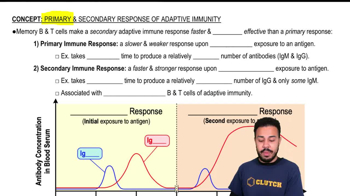
The immune response is the body's defense mechanism against pathogens. It involves various cells and processes that identify and eliminate foreign invaders. The innate immune response, which includes neutrophils, acts quickly to contain infections, while the adaptive immune response develops more slowly but provides long-lasting protection. Analyzing the immune response helps in diagnosing the type of infection.
Recommended video:
6:59
Primary and Secondary Response of Adaptive Immunity