Ch. 16 The Endocrine System
Amerman- Human Anatomy & Physiology 3e
Amerman3rd EditionHuman Anatomy & PhysiologyISBN: 9780138247201, 9780138247928, 9780138201814Not the one you use?Change textbook
Chapter 16, Problem 5

Which of the following correctly describes the functions of the endocrine system?
a. Transport of blood through the body and through the lungs
b. Regulation of body functions through hormone secretion
c. Regulation of body functions through nerve impulses
d. Immunity and returning extra tissue fluid to the blood vessels

Verified step by step guidance
1
Step 1: Understand the role of the endocrine system. The endocrine system is responsible for regulating body functions by secreting hormones into the bloodstream, which act as chemical messengers to target specific organs or tissues.
Step 2: Analyze the options provided. Option (a) refers to the circulatory system, which is responsible for transporting blood, oxygen, and nutrients. Option (c) refers to the nervous system, which regulates body functions through nerve impulses. Option (d) refers to the lymphatic system, which is involved in immunity and fluid balance.
Step 3: Focus on option (b). This option mentions the regulation of body functions through hormone secretion, which aligns with the primary function of the endocrine system.
Step 4: Eliminate the incorrect options by matching their descriptions to the appropriate body systems (circulatory, nervous, or lymphatic).
Step 5: Conclude that the correct answer is the one that matches the endocrine system's function of regulating body functions through hormone secretion.

Verified video answer for a similar problem:

This video solution was recommended by our tutors as helpful for the problem above.
Was this helpful?

Key Concepts

Here are the essential concepts you must grasp in order to answer the question correctly.

Endocrine System

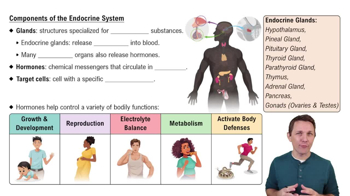
The endocrine system is a network of glands that produce and secrete hormones directly into the bloodstream. These hormones regulate various bodily functions, including metabolism, growth, reproduction, and mood. Unlike the nervous system, which uses electrical impulses for rapid communication, the endocrine system operates more slowly but has long-lasting effects on the body.
Recommended video:
Guided course
7:06
Components of the Endocrine System

Hormone Secretion

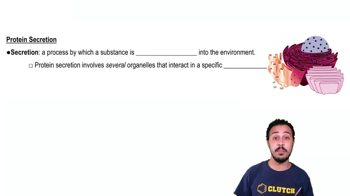
Hormone secretion is the process by which endocrine glands release hormones into the bloodstream. These hormones act as chemical messengers that travel to target organs or tissues, where they bind to specific receptors and elicit physiological responses. This process is crucial for maintaining homeostasis and coordinating complex bodily functions.
Recommended video:
01:33
Protein Secretion

Homeostasis

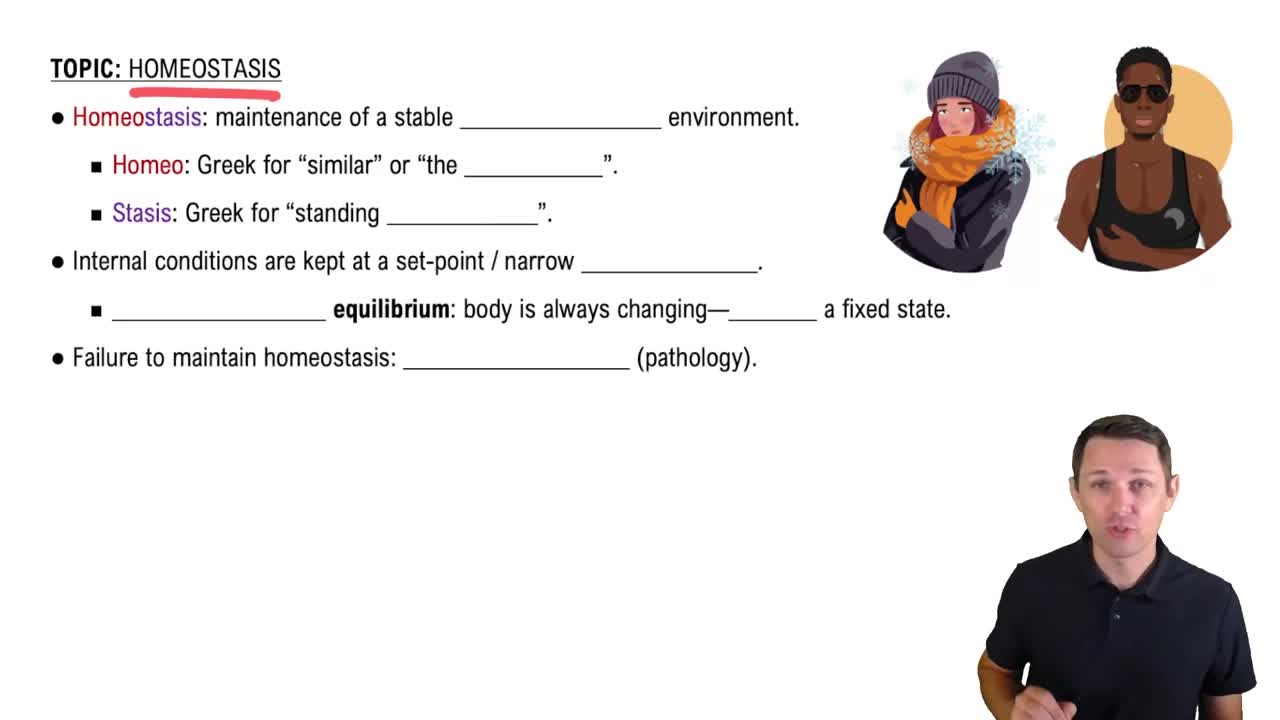
Homeostasis refers to the body's ability to maintain a stable internal environment despite external changes. The endocrine system plays a vital role in homeostasis by regulating processes such as temperature, pH, and electrolyte balance through hormonal feedback mechanisms. This ensures that the body's systems function optimally and respond appropriately to internal and external stimuli.
Recommended video:
Guided course
01:59
Introduction to Homeostasis