Ch. 7 The Skeletal System
Amerman - Human Anatomy & Physiology 2nd Edition
Amerman2nd EditionHuman Anatomy & PhysiologyISBN: 9780136873822Not the one you use?Change textbook
Chapter 7, Problem 15

Which of the following is not a proximal carpal bone?


a. Hamate
b. Pisiform
c. Scaphoid
d. Lunate

Verified step by step guidance
1
Step 1: Understand the anatomy of the carpal bones. The carpal bones are eight small bones that make up the wrist, arranged in two rows: the proximal row (closer to the forearm) and the distal row (closer to the hand).
Step 2: Identify the bones in the proximal row. The proximal carpal bones include the scaphoid, lunate, triquetrum, and pisiform.
Step 3: Identify the bones in the distal row. The distal carpal bones include the trapezium, trapezoid, capitate, and hamate.
Step 4: Compare the options provided in the question with the list of proximal carpal bones. Determine which bone is not part of the proximal row.
Step 5: Conclude that the bone not listed in the proximal row is the correct answer to the question.

Verified video answer for a similar problem:

This video solution was recommended by our tutors as helpful for the problem above.
Was this helpful?

Key Concepts

Here are the essential concepts you must grasp in order to answer the question correctly.

Carpal Bones

The carpal bones are a group of eight small bones in the wrist that are divided into two rows: proximal and distal. The proximal row consists of the scaphoid, lunate, triquetrum, and pisiform, while the distal row includes the trapezium, trapezoid, capitate, and hamate. Understanding the classification of these bones is essential for identifying which bones belong to each row.
Recommended video:
Guided course
5:07
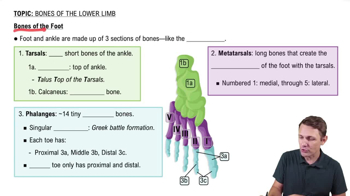
Bones of the Foot

Proximal vs. Distal Carpal Bones

Proximal carpal bones are those located closer to the forearm, while distal carpal bones are nearer to the fingers. The proximal row includes the scaphoid, lunate, triquetrum, and pisiform, which play crucial roles in wrist movement and stability. Distinguishing between these two groups is vital for anatomical and clinical discussions regarding wrist injuries and treatments.
Recommended video:
Guided course
02:06
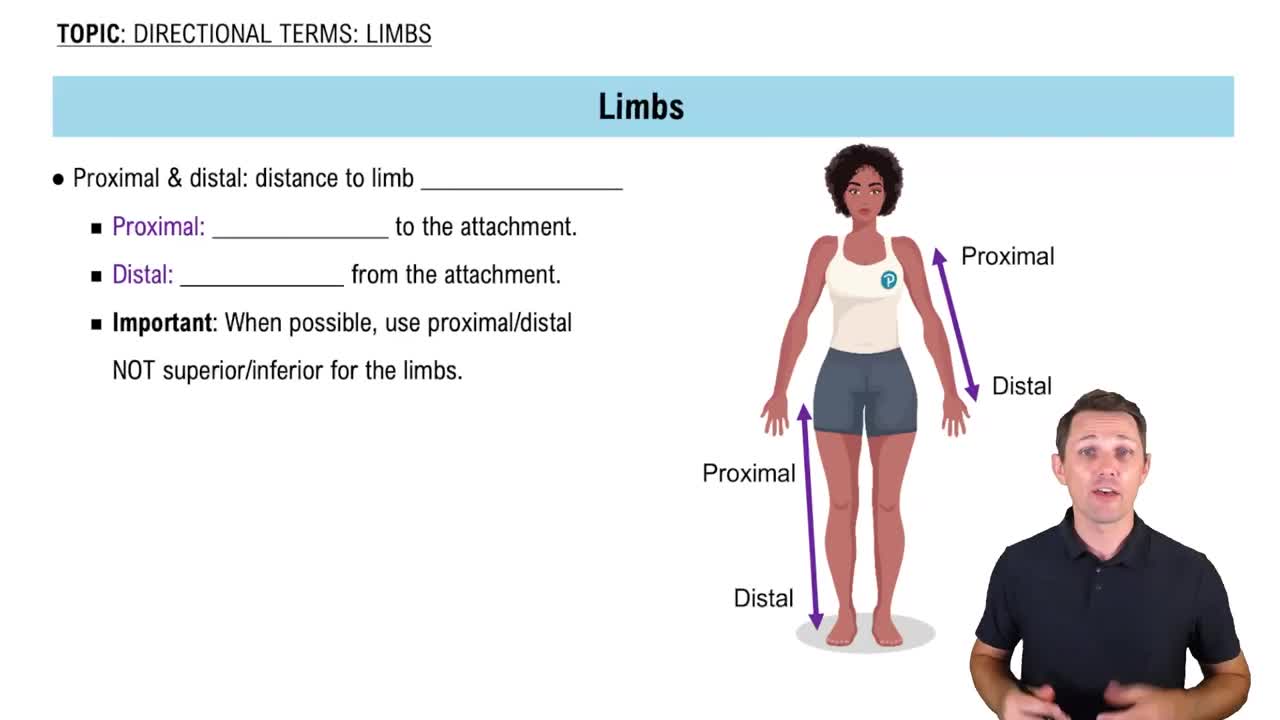
Proximal and Distal

Anatomical Terminology

Anatomical terminology provides a standardized language for describing the locations and relationships of body structures. Terms like 'proximal' and 'distal' help clarify positions relative to the center of the body or point of attachment. Familiarity with this terminology is important for accurately interpreting questions related to anatomy, such as identifying specific bones in the wrist.
Recommended video:
Guided course
02:40
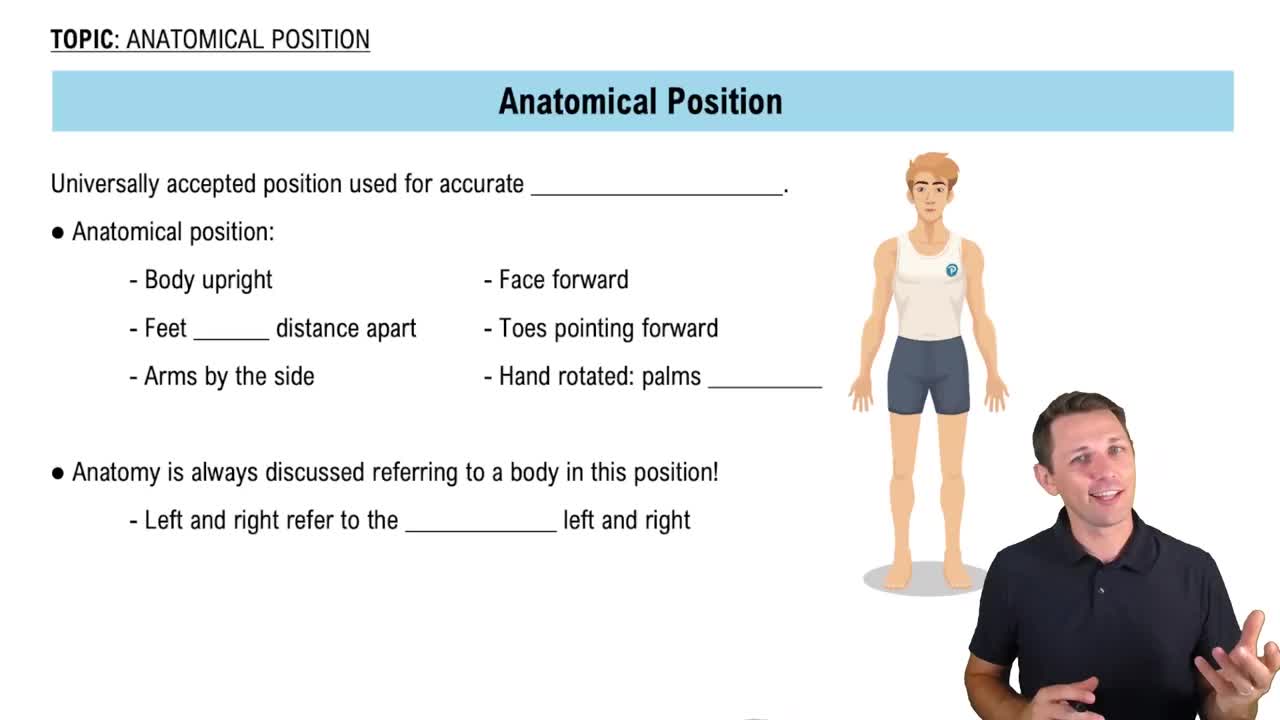
Anatomical Position