Ch. 19 Blood
Amerman - Human Anatomy & Physiology 2nd Edition
Amerman2nd EditionHuman Anatomy & PhysiologyISBN: 9780136873822Not the one you use?Change textbook
Chapter 19, Problem 20

Mr. Reczkiewicz has blood type AB−. Which of the following blood types could be safely donated to Mr. Reczkiewicz, assuming he has had prior exposure to Rh+ blood? (Circle all that apply.)
a. Type O+
b. Type A−
c. Type B−
d. Type AB+
e. Type O−

Verified step by step guidance
1
Step 1: Understand the compatibility of blood types. Blood type compatibility is determined by the ABO system and the Rh factor. Type AB individuals are universal recipients for the ABO system, meaning they can receive A, B, AB, or O blood types. However, the Rh factor must also be considered.
Step 2: Analyze the Rh factor. Mr. Reczkiewicz has AB− blood, meaning he is Rh-negative. Rh-negative individuals can safely receive Rh-negative blood. However, since he has had prior exposure to Rh+ blood, his body may tolerate Rh-positive blood as well.
Step 3: Evaluate each option: a. Type O+ contains Rh-positive antigens, which may be tolerated due to prior exposure. b. Type A− is compatible because it is Rh-negative and matches the ABO system. c. Type B− is compatible because it is Rh-negative and matches the ABO system. d. Type AB+ contains Rh-positive antigens, which may be tolerated due to prior exposure. e. Type O− is compatible because it is Rh-negative and matches the ABO system.
Step 4: Eliminate incompatible options. Since Mr. Reczkiewicz can receive Rh-negative blood and may tolerate Rh-positive blood due to prior exposure, all options except those with incompatible ABO antigens are potentially safe.
Step 5: Finalize the list of compatible blood types. Based on the analysis, the blood types that could be safely donated to Mr. Reczkiewicz are Type A−, Type B−, Type AB+, and Type O−. Type O+ may also be tolerated due to prior exposure to Rh+ blood.

Verified video answer for a similar problem:

This video solution was recommended by our tutors as helpful for the problem above.
Was this helpful?

Key Concepts

Here are the essential concepts you must grasp in order to answer the question correctly.

Blood Type Compatibility

Blood type compatibility is crucial for safe blood transfusions. The ABO blood group system categorizes blood into four types: A, B, AB, and O, based on the presence of antigens. Individuals with type AB can receive blood from any ABO type, but compatibility also depends on the Rh factor, which can be positive (+) or negative (-).
Recommended video:
5:34
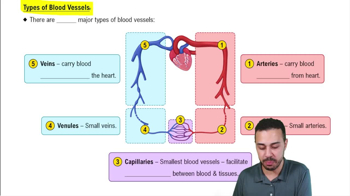
Types of Blood Vessels

Rh Factor

The Rh factor is a protein that can be present on the surface of red blood cells. If a person has the Rh protein, they are Rh positive (Rh+); if not, they are Rh negative (Rh-). For individuals with Rh- blood, exposure to Rh+ blood can lead to the development of antibodies, making future transfusions from Rh+ donors potentially dangerous.
Recommended video:
03:48
Environmental Factors Affecting Enzyme Activity

Prior Exposure to Rh+ Blood

Prior exposure to Rh+ blood means that Mr. Reczkiewicz has previously received Rh+ blood, which can sensitize his immune system. This sensitization can lead to the production of antibodies against Rh+ blood cells, making it unsafe for him to receive Rh+ blood in the future. Therefore, when considering blood donations, only Rh- blood types should be considered safe for him.
Recommended video:
6:11
Functions of Blood