
Ch. 12 The Central Nervous System
Amerman - Human Anatomy & Physiology 2nd Edition
Amerman2nd EditionHuman Anatomy & PhysiologyISBN: 9780136873822Not the one you use?Change textbook
Chapter 12, Problem L2.3

Why must a cell body be intact for an axon to regenerate? (Hint: What structure is housed only in the cell body, and what are its functions?)

Verified step by step guidance
1
Understand that the cell body of a neuron contains the nucleus, which houses the genetic material (DNA) necessary for the production of proteins and enzymes.
Recognize that the nucleus is responsible for directing the synthesis of essential proteins, including those required for axonal repair and regeneration.
Note that the cell body also contains organelles such as the rough endoplasmic reticulum (Nissl bodies), which are critical for protein synthesis. These proteins are transported down the axon to support its structure and function.
Realize that if the cell body is damaged or destroyed, the neuron loses its ability to produce the proteins and enzymes required for axonal repair, making regeneration impossible.
Conclude that the intact cell body is essential for axonal regeneration because it serves as the metabolic and synthetic center of the neuron, providing the resources needed for repair and growth.

Verified video answer for a similar problem:

This video solution was recommended by our tutors as helpful for the problem above.
Was this helpful?

Key Concepts

Here are the essential concepts you must grasp in order to answer the question correctly.

Cell Body Structure

The cell body, or soma, contains the nucleus and essential organelles that support the neuron's functions. It is responsible for maintaining the cell's health and synthesizing proteins necessary for the growth and repair of the neuron, including those needed for axon regeneration.
Recommended video:
Guided course
1:21
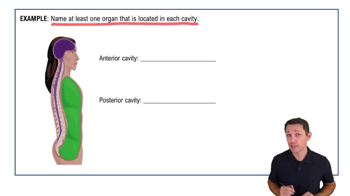
Organization of the Body: Body Cavities Example 1

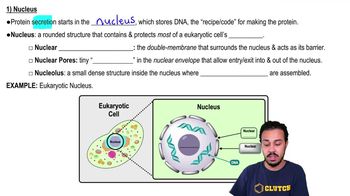
Nucleus Function

The nucleus houses the cell's genetic material and is crucial for regulating gene expression. In the context of axon regeneration, the nucleus produces the proteins and signaling molecules required for the repair processes, making it vital for the regeneration of the axon.
Recommended video:
06:32
Nucleus

Regeneration Mechanism

Axon regeneration involves a series of biological processes that include the growth of new axonal sprouts and the re-establishment of connections with target cells. This process is heavily reliant on the resources and signals provided by the intact cell body, which orchestrates the necessary cellular responses for successful regeneration.
Recommended video:
3:02
Internal Regulation - The Myogenic Mechanism