Ch. 12 The Central Nervous System
Amerman - Human Anatomy & Physiology 2nd Edition
Amerman2nd EditionHuman Anatomy & PhysiologyISBN: 9780136873822Not the one you use?Change textbook
Chapter 12, Problem 20

Which of the following statements is false? 
a. The suprachiasmatic nucleus is often called the body's 'master clock.' 
b. Melatonin and the ventrolateral preoptic nucleus increase the activity of the reticular formation. 
c. A decrease in the activity of the reticular formation disconnects the thalamus from the cerebral cortex and decreases the level of consciousness. 
d. Orexins are neurotransmitters that stimulate the reticular formation.

Verified step by step guidance
1
Step 1: Understand the context of the question. The problem is asking you to identify the false statement among the given options. Each statement relates to the regulation of sleep, wakefulness, and consciousness, which involves specific brain structures and neurotransmitters.
Step 2: Analyze option (a). The suprachiasmatic nucleus (SCN) is indeed referred to as the body's 'master clock' because it regulates circadian rhythms, including sleep-wake cycles. This statement is true.
Step 3: Analyze option (b). Melatonin is a hormone that promotes sleep, and the ventrolateral preoptic nucleus (VLPO) is involved in sleep initiation. However, increasing the activity of the reticular formation is associated with wakefulness, not sleep. This statement appears contradictory and may be false.
Step 4: Analyze option (c). A decrease in the activity of the reticular formation does disconnect the thalamus from the cerebral cortex, leading to a reduction in consciousness. This statement is true.
Step 5: Analyze option (d). Orexins are neurotransmitters that play a role in wakefulness by stimulating the reticular formation. This statement is true. Based on the analysis, the false statement is likely option (b).

Verified video answer for a similar problem:

This video solution was recommended by our tutors as helpful for the problem above.
Was this helpful?

Key Concepts

Here are the essential concepts you must grasp in order to answer the question correctly.

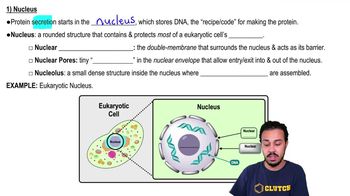
Suprachiasmatic Nucleus (SCN)

The suprachiasmatic nucleus is a small region in the hypothalamus that serves as the body's primary circadian clock. It regulates the timing of various biological rhythms, including sleep-wake cycles, by responding to light signals received from the retina. This nucleus plays a crucial role in synchronizing the body's internal clock with the external environment.
Recommended video:
06:32
Nucleus

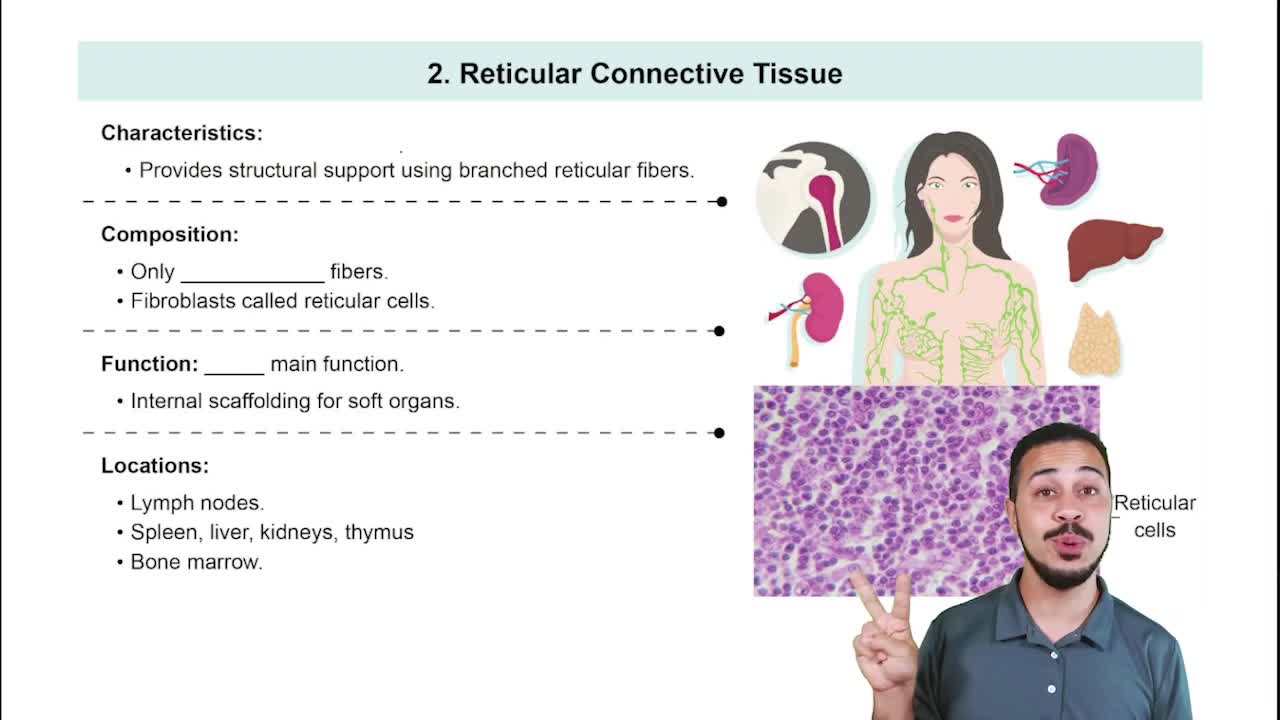
Reticular Formation

The reticular formation is a network of neurons located in the brainstem that is essential for regulating arousal, alertness, and consciousness. It influences the sleep-wake cycle and is involved in filtering incoming stimuli to prevent sensory overload. A decrease in its activity can lead to reduced alertness and a lower level of consciousness.
Recommended video:
Guided course
04:52
Reticular Connective Tissue

Orexins

Orexins, also known as hypocretins, are neuropeptides produced in the hypothalamus that play a significant role in regulating arousal, wakefulness, and appetite. They stimulate the reticular formation, promoting alertness and preventing excessive sleepiness. Dysregulation of orexin signaling is associated with sleep disorders such as narcolepsy.
Related Practice
Textbook Question

The two components of the CNS that are responsible for maintenance of homeostasis are the ________ and the ________. 
Textbook Question

Declarative memories are formed by the process of ________ that takes place in the ________, and are stored in the ________. 

1
views
Textbook Question

Match the term on the left with its correct description from the column on the right.     


____ REM sleep     

____ Stage I sleep     

____ Delta waves     

____ Beta waves     

____ Theta waves     

____ Stage IV sleep


a. The EEG pattern seen in the deepest stage of sleep

b. The deepest stage of sleep

c. The EEG pattern seen in an alert, awake adult

d. Drowsiness or the lightest stage of sleep

e. The EEG pattern seen in lighter stages of sleep

f. The stage of sleep during which most dreaming takes place

1
views
Textbook Question

Mark the following statements on the role of the brain in movement as true or false. If a statement is false, correct it to make a true statement. 

The correction of motor error by the cerebellum can occur over the long term by motor learning.

Textbook Question

Mark the following statements on the role of the brain in movement as true or false. If a statement is false, correct it to make a true statement. 

The basal nuclei inhibit inappropriate movements and are required for the initiation of movement. 

1
views
Textbook Question

The part of the brain responsible for the production of language is known as:

a. Wernicke's area

b. The prefrontal cortex

c. The auditory association area

d. Broca's area