Ch. 4 Histology
Amerman - Human Anatomy & Physiology 2nd Edition
Amerman2nd EditionHuman Anatomy & PhysiologyISBN: 9780136873822Not the one you use?Change textbook
Chapter 4, Problem L2.4

Certain types of cancerous lung tumors can secrete hormones normally made by the pancreas, adrenal gland, and hypothalamus. What prevents such secretion from happening in healthy cells?

Verified step by step guidance
1
Understand the concept of cellular differentiation: Healthy cells are specialized to perform specific functions based on their location and role in the body. This specialization prevents them from producing substances unrelated to their function.
Learn about gene expression regulation: In healthy cells, genes responsible for producing hormones like those made by the pancreas, adrenal gland, and hypothalamus are tightly regulated and typically inactive in lung cells. This regulation ensures that lung cells do not produce hormones meant for other organs.
Explore the role of signaling pathways: Healthy cells rely on specific signaling pathways to maintain their function. These pathways prevent the activation of genes that are not relevant to the cell's role, ensuring proper cellular behavior.
Understand the impact of mutations in cancerous cells: Cancerous cells often have mutations that disrupt normal gene regulation. These mutations can lead to the activation of genes that are normally inactive in lung cells, causing the secretion of hormones typically made by other organs.
Recognize the importance of tissue-specific transcription factors: Healthy cells have tissue-specific transcription factors that control which genes are expressed. In lung cells, these factors prevent the expression of genes responsible for hormone production in other tissues.

Verified video answer for a similar problem:

This video solution was recommended by our tutors as helpful for the problem above.
Was this helpful?

Key Concepts

Here are the essential concepts you must grasp in order to answer the question correctly.

Hormonal Regulation

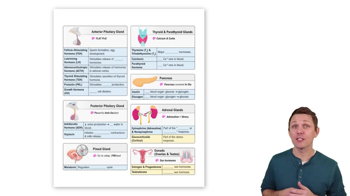
Hormonal regulation refers to the mechanisms by which hormones are produced, released, and controlled within the body. In healthy cells, this regulation ensures that hormones are secreted only by their respective glands in response to specific physiological signals, maintaining homeostasis and preventing inappropriate hormone release.
Recommended video:
Guided course
13:06
Review of Major Hormones

Cellular Differentiation

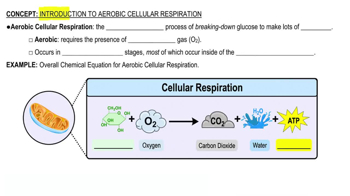
Cellular differentiation is the process by which unspecialized cells develop into specialized cells with distinct functions. Healthy cells are differentiated to perform specific roles, which includes the regulation of hormone production, ensuring that only certain cells, like those in the pancreas or adrenal glands, can secrete their respective hormones.
Recommended video:
03:38
Introduction to Cellular Respiration

Tumorigenesis

Tumorigenesis is the process by which normal cells transform into cancerous cells, often leading to uncontrolled growth and abnormal functions. In certain lung tumors, this process can result in the aberrant secretion of hormones, as cancer cells may acquire the ability to mimic the functions of hormone-producing cells, disrupting normal hormonal balance.