
Mark the following statements about the cell cycle as true or false. If a statement is false, correct it to make a true statement. The main enzyme that builds the new DNA strands during DNA synthesis is RNA synthetase.
Verified step by step guidance
1
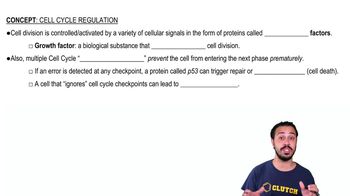
Understand the context of the cell cycle: The cell cycle consists of several phases, including interphase (G1, S, G2) and mitotic phase (M). DNA synthesis occurs during the S phase of interphase.
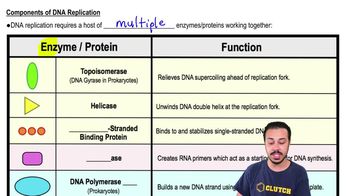
Identify the role of enzymes in DNA synthesis: During the S phase, the main enzyme responsible for building new DNA strands is DNA polymerase, not RNA synthetase. RNA synthetase is involved in RNA synthesis, not DNA replication.
Evaluate the statement: The statement claims that RNA synthetase is the main enzyme for DNA synthesis. This is false because DNA polymerase is the correct enzyme for this process.
Correct the false statement: Replace 'RNA synthetase' with 'DNA polymerase' to make the statement true. The corrected statement should read: 'The main enzyme that builds the new DNA strands during DNA synthesis is DNA polymerase.'
Review the corrected statement: Ensure the corrected statement aligns with the biological process of DNA replication during the cell cycle and accurately reflects the role of DNA polymerase.
Verified video answer for a similar problem:
This video solution was recommended by our tutors as helpful for the problem above
Play a video:
0 Comments
Key Concepts
Here are the essential concepts you must grasp in order to answer the question correctly.
Cell Cycle
The cell cycle is a series of phases that a cell goes through to grow and divide. It consists of interphase (G1, S, G2) and the mitotic phase (M). Understanding the cell cycle is crucial for recognizing how cells replicate their DNA and prepare for division, which is fundamental in biology and medicine.
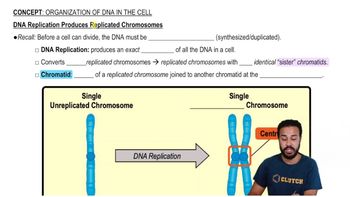
DNA synthesis, or DNA replication, is the process by which a cell duplicates its DNA before cell division. This process occurs during the S phase of interphase and involves enzymes that synthesize new DNA strands complementary to the original strands, ensuring genetic continuity. The main enzyme responsible for this is DNA polymerase, not RNA synthetase.
Enzymes play critical roles in DNA replication, facilitating the unwinding of the DNA double helix and the synthesis of new strands. DNA polymerase is the key enzyme that adds nucleotides to form new DNA strands, while other enzymes, such as helicase and ligase, assist in unwinding the DNA and joining Okazaki fragments, respectively. Understanding these enzymes is essential for grasping how DNA replication occurs accurately.