Back

Social Psychology definitions

Control buttons has been changed to "navigation" mode.
1/16
  • Social Psychology

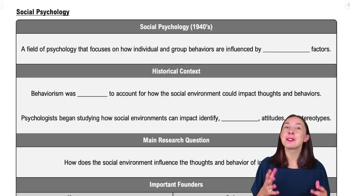
    Field examining how social factors shape individual and group behaviors, emphasizing the influence of the social environment on thoughts and actions.
  • Behaviorism

    Psychological approach focused on observable behaviors and stimulus-response patterns, often criticized for neglecting mental and social influences.
  • Social Environment

    Context of relationships, norms, and influences surrounding individuals, shaping beliefs, attitudes, and behaviors.
  • Identity

    Sense of self shaped by social context, including personal beliefs, group affiliations, and societal roles.
  • Attitudes

    Enduring evaluations or feelings toward people, objects, or ideas, often shaped by social influences and experiences.
  • Stereotypes

    Oversimplified beliefs about groups, often leading to biased expectations and social judgments.
  • Group Dynamics

    Patterns of interaction and influence among group members, affecting communication, leadership, and cohesion.
  • Leadership Styles

    Distinct approaches to guiding groups, impacting attitudes, communication, and group effectiveness.
  • Prejudice

    Unjustified negative attitudes toward individuals based on group membership, often rooted in stereotypes.
  • Conformity

    Adjustment of behaviors or beliefs to align with group norms, often driven by social pressure.
  • Impression Formation

    Process of developing initial perceptions of others, with first impressions having lasting influence.
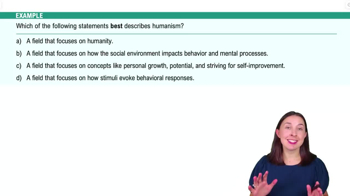
  • Humanism

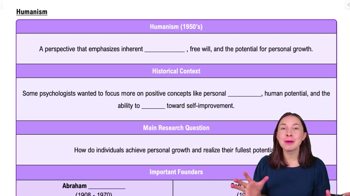
    Perspective emphasizing inherent goodness, free will, and the potential for personal growth in individuals.
  • Hierarchy of Needs

    Model depicting human motivation as a pyramid, progressing from basic needs to self-actualization.
  • Self-Actualization

    Achievement of one's fullest potential, representing the highest level of psychological development.
  • Client-Centered Therapy

    Therapeutic approach prioritizing empathy, active listening, and unconditional positive regard to foster personal growth.
  • Unconditional Positive Regard

    Acceptance and valuing of a person without judgment or conditions, fostering a supportive therapeutic environment.