Back

Pathogens & Diseases: Viruses quiz #1

Control buttons has been changed to "navigation" mode.
1/10
  • Which disease is caused by human herpesvirus-1?

    Human herpesvirus-1 causes oral herpes, commonly known as cold sores or fever blisters.
  • What is the primary structural composition of a virus?

    A virus consists of a protein structure containing either RNA or DNA. This makes it much smaller than a bacterium.
  • How do viruses reproduce within the body?

    Viruses must invade a host cell and hijack its machinery to make copies of themselves. They cannot reproduce independently outside a host cell.
  • What are common symptoms of the common cold caused by rhinovirus or coronavirus?

    Symptoms include a stuffy nose, sneezing, sore throat, and cough. Complications can include sinus and ear infections.
  • How are influenza and COVID-19 primarily transmitted?

    Both are mainly transmitted through respiratory droplets from an infected person. This can occur via coughing, sneezing, or close contact.
  • What are the severe complications that can arise from influenza and COVID-19?

    Both can lead to pneumonia, and COVID-19 can also cause organ failure in extreme cases. These complications make them potentially life-threatening.
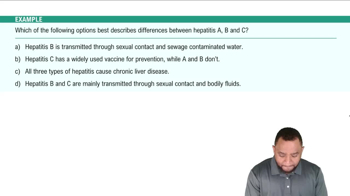
  • What is the main difference in vaccine availability among hepatitis A, B, and C?

    Vaccines are available for hepatitis A and B, but not for hepatitis C. This makes hepatitis C more difficult to prevent.
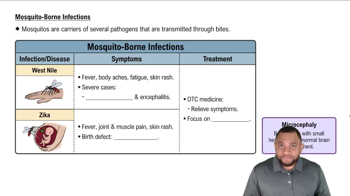
  • What is microcephaly and which virus is it associated with?

    Microcephaly is a birth defect where babies are born with smaller than average heads due to abnormal brain development. It is associated with the Zika virus.
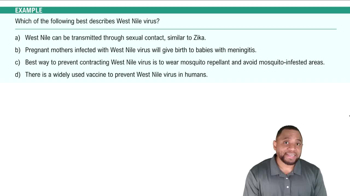
  • What are the typical symptoms of West Nile virus infection?

    Symptoms include fever, body aches, fatigue, and sometimes a skin rash. Severe cases can result in meningitis or encephalitis.
  • What preventive measures can help reduce the risk of mosquito-borne viral infections?

    Using mosquito repellents, wearing proper coverings, and being aware of local outbreaks are key preventive measures. These steps help minimize the risk of being bitten by infected mosquitoes.