Back

HIV and AIDS quiz #1

Control buttons has been changed to "navigation" mode.
1/10
  • Which disease led to the creation of the Bloodborne Pathogens Act?

    HIV/AIDS spurred the creation of the Bloodborne Pathogens Act due to concerns about transmission through blood and other body fluids.
  • What specific type of immune cell does HIV primarily target and destroy?

    HIV primarily targets and destroys helper T cells. This weakens the immune system and leads to increased vulnerability to infections.
  • How does HIV use helper T cells during its replication process?

    HIV hijacks helper T cells to replicate itself inside them. After replication, the virus bursts out, destroying the helper T cell.
  • What are some early symptoms that may appear shortly after initial HIV infection?

    Early symptoms of HIV infection are flu-like, including fever, fatigue, sore throat, and muscle aches. These symptoms can appear within weeks of exposure.
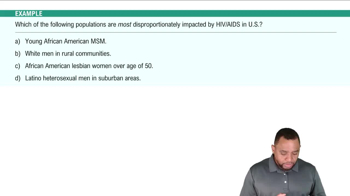
  • Which regions of the world have the highest concentration of people living with HIV?

    Sub-Saharan Africa has the highest concentration of people living with HIV. Other regions with significant cases include the United States, Central and South America, and parts of Asia and Australia.
  • What is the significance of Kaposi's sarcoma in relation to AIDS?

    Kaposi's sarcoma is a type of cancer that can develop in people with AIDS due to their weakened immune system. It often appears as purple spots on the skin.
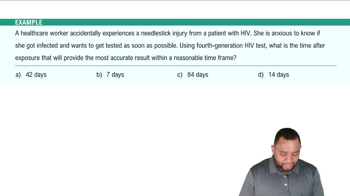
  • What is the main reason for waiting longer within the detection time frame before taking an HIV test?

    Waiting longer within the detection time frame reduces the risk of a false negative result. This ensures the test is more accurate in detecting HIV.
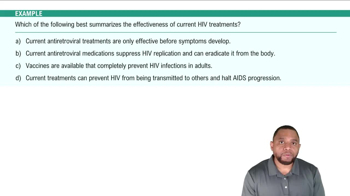
  • How do antiretroviral medications help manage HIV infection?

    Antiretroviral medications inhibit HIV replication or prevent the virus from infecting healthy cells. This keeps the viral load low and slows progression to AIDS.
  • What are some challenges associated with HIV treatment despite the availability of effective medications?

    Challenges include the high cost and complexity of antiretroviral drug regimens. Not everyone can afford or access these medications.
  • What is the relationship between undetectable viral load and HIV transmission?

    When a person has an undetectable viral load due to effective treatment, they cannot transmit HIV to others. This is summarized by the phrase 'undetectable equals untransmittable.'