
Textbook Question
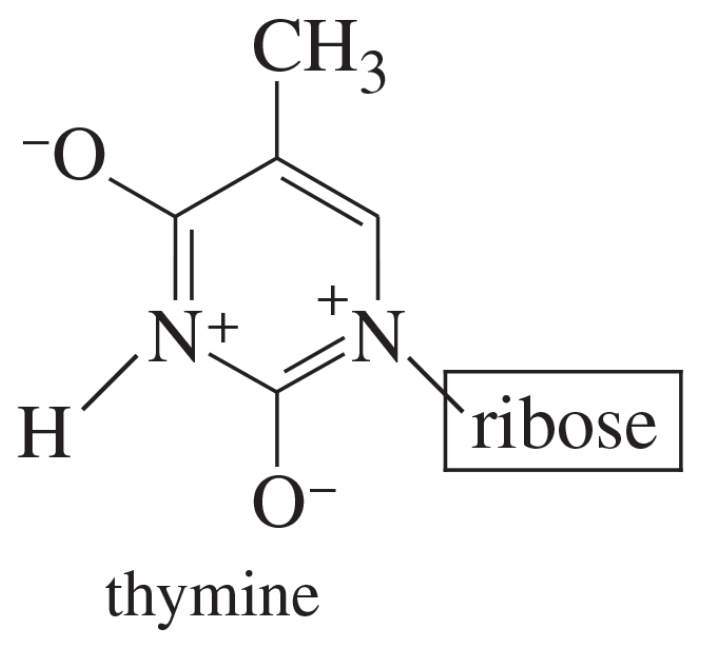
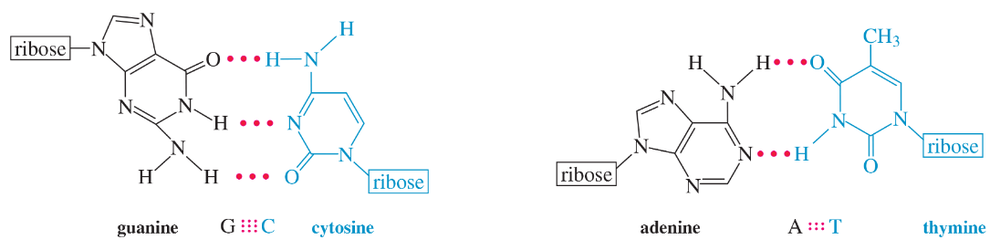
Cytosine, uracil, and guanine have tautomeric forms with aromatic hydroxy groups. Draw these tautomeric forms.
1
views

 Verified step by step guidance
 08:19
08:19
 00:48
00:48 03:04
03:04Cytosine, uracil, and guanine have tautomeric forms with aromatic hydroxy groups. Draw these tautomeric forms.
An aliphatic aminoglycoside is relatively stable to base, but it is quickly hydrolyzed by dilute acid. Propose a mechanism for the acid-catalyzed hydrolysis.
Ribonucleosides are not so easily hydrolyzed, requiring relatively strong acid. Using your mechanism for part (a), show why cytidine and adenosine (for example) are not so readily hydrolyzed. Explain why this stability is important for living organisms.
Without referring to the chapter, draw the chair conformations of
(b) α-D-allopyranose (the C3 epimer of glucose).
Glucose is the most abundant monosaccharide. From memory, draw glucose in
(a) the Fischer projection of the open chain.
(b) the most stable chair conformation of the most stable pyranose anomer.
(c) the Haworth projection of the most stable pyranose anomer.
Without referring to the chapter, draw the chair conformations of
(a) β-D-mannopyranose (the C2 epimer of glucose).