Textbook Question
Given the ¹H NMR spectrum and the molecular formula, suggest a structure for each molecule. [The IR spectrum suggests the presence of two C=O bonds.]
(b) <IMAGE>
3
views

 Mullins 1st EditionCh. 15 - Structural Identification II: Nuclear Magnetic Resonance SpectroscopyProblem 76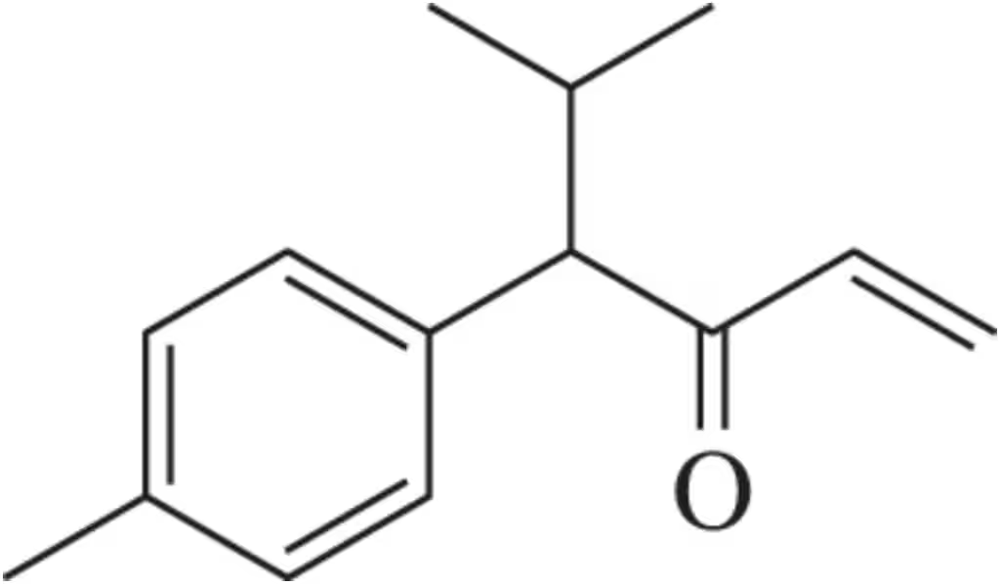
 Verified step by step guidance
 11:44
11:44
 06:46 11:44
Given the ¹H NMR spectrum and the molecular formula, suggest a structure for each molecule. [The IR spectrum suggests the presence of two C=O bonds.]
(b) <IMAGE>
In the lab, ¹H NMR is often used to verify that a reaction has worked as expected by comparing the product spectrum with what is expected. Given the ¹H NMR of the reactant shown, draw the spectrum you'd expect to see of the product that results.
<IMAGE>
A graduate student ran a reaction that produced a mixture of the following two compounds. After painstaking purification, she is able to separate the two compounds. Using ¹H NMR, how can she determine which diastereomer is in which separated sample?
Assign the peaks in the ¹H NMR spectrum for the molecule shown.
<IMAGE>
Draw the 13C NMR spectrum you would expect to see for each of the molecules shown.
(c)
Given the ¹H NMR spectrum and the molecular formula, suggest a structure for each molecule. [The IR spectrum suggests the presence of two C=O bonds.]
(a) Important IR bands (cm ⁻ ¹) : 1728, 1708 [Note: The pKₐ of this molecule is around 10.]
<IMAGE>