Back

Intro to Organic Chemistry definitions

Control buttons has been changed to "navigation" mode.
1/15
  • Organic Chemistry

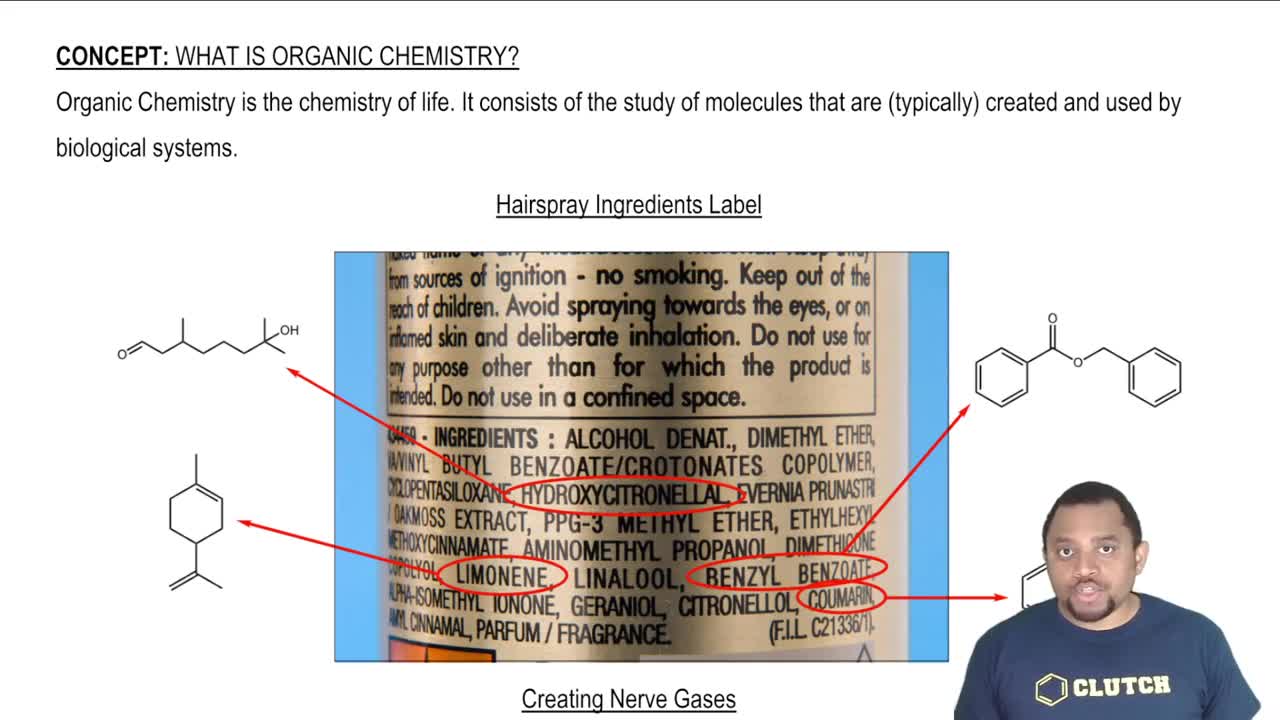
    Branch of chemistry focused on molecules created and used by biological systems, central to life and everyday materials.
  • Biochemistry

    Field branching from organic chemistry, emphasizing chemical processes within and related to living organisms.
  • Hydrocarbon

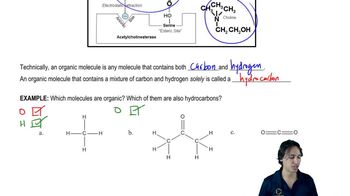
    Organic molecule composed exclusively of carbon and hydrogen atoms, foundational to organic compounds.
  • Periodic Trends

    Patterns in element properties across the periodic table, influencing behavior of atoms in organic molecules.
  • Biological System

    Complex network of living components where organic molecules are created, used, and interact.
  • Acetylcholine

    Organic molecule involved in nerve function, illustrating the intersection of chemistry and biological activity.
  • Acetic Acid

    Simple organic acid found in biological and industrial contexts, demonstrating organic chemistry's everyday relevance.
  • Choline

    Essential organic nutrient participating in nerve signaling and metabolism within biological systems.
  • Nerve Gas

    Destructive application of organic chemistry, involving molecules that disrupt biological nerve function.
  • Inorganic Molecule

    Compound typically lacking both carbon and hydrogen, contrasting with organic molecules central to life.
  • Element

    Fundamental substance from the periodic table, forming the building blocks of organic molecules.
  • Molecule

    Smallest unit of a chemical compound, consisting of atoms bonded together, central to organic chemistry.
  • Life

    Phenomenon based on carbon-containing molecules, with organic chemistry explaining its molecular foundation.
  • Ingredient

    Component found in everyday products, often an organic molecule, highlighting chemistry's practical impact.
  • Consensus

    General agreement among scientists that organic molecules contain both carbon and hydrogen atoms.