For which digestive disorder is a gluten-free diet recommended?
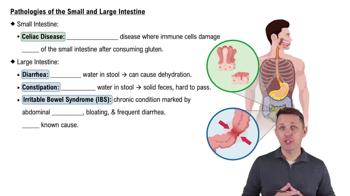
A gluten-free diet is recommended for celiac disease, an autoimmune disorder in which consuming gluten damages the villi of the small intestine.
What is the purpose of a gluten-free diet in the management of digestive system disorders?
A gluten-free diet is used to manage celiac disease by preventing immune-mediated damage to the small intestine caused by gluten consumption.
What is a characteristic of an elemental diet?
An elemental diet consists of nutrients in their simplest, pre-digested forms, making them easy to absorb for individuals with impaired digestive function.
What is the function of the esophageal (cardiac) sphincter in digestion?
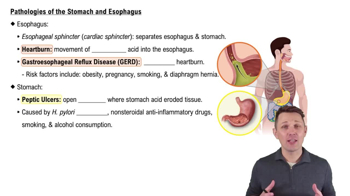
The esophageal sphincter prevents stomach contents, especially acid, from moving back up into the esophagus. If it fails, it can lead to heartburn or GERD.
How can lifestyle modifications help manage symptoms of GERD?
Lifestyle changes such as avoiding trigger foods, elevating the head during sleep, and weight management can reduce GERD symptoms. These strategies help minimize acid reflux into the esophagus.
What are two main causes of peptic ulcers besides H. pylori infection?
Peptic ulcers can also be caused by long-term use of nonsteroidal anti-inflammatory drugs (NSAIDs) and excessive alcohol consumption. Smoking is another contributing factor.
Why does celiac disease often result in weight loss?
Celiac disease damages the villi of the small intestine, reducing surface area for nutrient absorption. This impaired absorption leads to weight loss due to insufficient nutrient uptake.
What is a key difference between diarrhea and constipation in terms of water absorption?
Diarrhea results from too little water being absorbed in the large intestine, while constipation occurs when too much water is absorbed. This leads to loose stools in diarrhea and hard, dry stools in constipation.
What are common symptoms of irritable bowel syndrome (IBS)?
IBS is characterized by chronic abdominal cramping, bloating, and alternating episodes of diarrhea and constipation. The exact cause is unknown, but certain foods and stress can trigger symptoms.
How does dietary fiber help reduce the risk of colorectal cancer?
Dietary fiber increases stool bulk and speeds up transit through the large intestine, reducing exposure to potential carcinogens. It also supports a healthy gut microbiome, which may help prevent cancer.
 Back
Back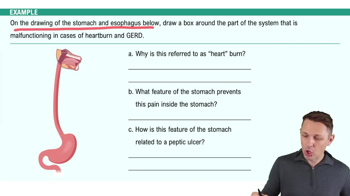
 03:30
03:30