
Ch. 15 - Microbial Mechanisms of Pathogenicity
Tortora - Microbiology: An Introduction 14th Edition
Tortora14th EditionMicrobiology: An IntroductionISBN: 9780138200398Not the one you use?Change textbook
Chapter 15, Problem 8

The earliest smallpox vaccines were infected tissue rubbed into the skin of a healthy
person. The recipient of such a vaccine usually developed a mild case of smallpox, recovered, and was immune thereafter. What is the most likely reason this vaccine did not kill more people?
a. Skin is the wrong portal of entry for smallpox.
b. The vaccine consisted of a mild form of the virus.
c. Smallpox is normally transmitted by skin-to-skin contact.
d. Smallpox is a virus.
e. The virus mutated.

Verified step by step guidance
1
Step 1: Understand the context of the question, which is about early smallpox vaccines made from infected tissue rubbed into the skin, causing a mild infection but immunity afterward.
Step 2: Recognize that the question asks why this method did not kill more people, focusing on the nature of the vaccine and its effect on the recipient.
Step 3: Consider the options: (a) skin as a portal of entry, (b) vaccine containing a mild form of the virus, (c) transmission by skin contact, (d) smallpox being a virus, and (e) virus mutation.
Step 4: Analyze that the vaccine caused a mild case, implying the virus used was less virulent or attenuated, which is why it did not cause severe disease or death.
Step 5: Conclude that the most likely reason is that the vaccine consisted of a mild form of the virus, allowing immunity without severe illness.

Verified video answer for a similar problem:

This video solution was recommended by our tutors as helpful for the problem above.
Video duration:
1m
Was this helpful?

Key Concepts

Here are the essential concepts you must grasp in order to answer the question correctly.

Attenuated (Mild) Form of a Virus

An attenuated virus is a weakened form that can still infect cells and stimulate immunity but causes only mild or no disease. Early smallpox vaccines used a less virulent form of the virus or related virus, allowing recipients to develop immunity without severe illness or death.
Recommended video:
Guided course
02:33
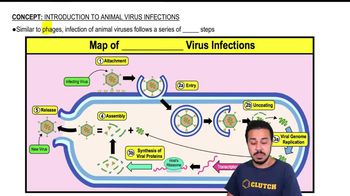
Introduction to Animal Virus Infections

Vaccination and Immune Response

Vaccination introduces a pathogen or its components to the body to trigger an immune response without causing full-blown disease. This prepares the immune system to recognize and fight the actual pathogen if encountered later, providing immunity.
Recommended video:
Guided course
02:57
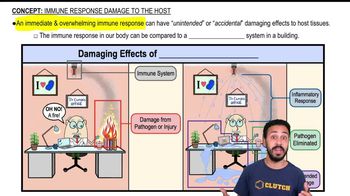
Intro to Immune Response Damage

Portal of Entry and Infection Severity

The portal of entry is the site where a pathogen enters the body, influencing infection severity. Some pathogens cause more severe disease when entering through specific routes; however, skin inoculation with a mild virus form can limit disease severity, as in early smallpox vaccination.
Recommended video:
Guided course
02:29
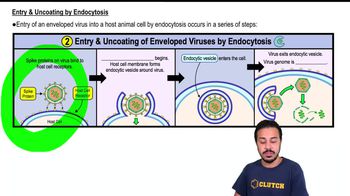
Entry & Uncoating by Endocytosis