Ch. 16 - Respiratory System Infections
Norman-McKay- Microbiology: Basic and Clinical Principles 2nd Edition
Norman-McKay2nd EditionMicrobiology: Basic and Clinical PrinciplesISBN: 9780137661619Not the one you use?Change textbook
Chapter 16, Problem 17

Which of the following would you expect for a SARS-CoV-2 variant that is classified as a variant of interest? (Select all that apply.)
a. The isolated virus is genetically unique as compared to earlier circulating versions of SARS-CoV-2.
b. There is evidence that the variant completely evades vaccine-induced immunity.
c. The variant is broadly detectable with current diagnostic tools.
d. The variant can cause viral pneumonia.
e. Infections caused by the variant are not treatable with existing approved drug therapies.

Verified step by step guidance
1
Step 1: Understand the definition of a 'variant of interest' (VOI) in the context of SARS-CoV-2. A VOI is a variant with genetic changes that are predicted or known to affect virus characteristics such as transmissibility, disease severity, immune escape, diagnostic or therapeutic escape, but evidence is still emerging.
Step 2: Evaluate option (a): A VOI is expected to be genetically unique compared to earlier circulating versions, as this genetic uniqueness is what flags it for further monitoring.
Step 3: Evaluate option (b): Complete evasion of vaccine-induced immunity is a more severe characteristic and is typically associated with a 'variant of concern' (VOC), not just a VOI, so this is less likely for a VOI.
Step 4: Evaluate option (c): A VOI should still be broadly detectable with current diagnostic tools, as loss of detectability would be a significant concern and might elevate the variant to VOC status.
Step 5: Evaluate options (d) and (e): Causing viral pneumonia and resistance to existing approved drug therapies are serious clinical impacts usually associated with VOCs rather than VOIs, so these are less expected for a VOI.

Verified video answer for a similar problem:

This video solution was recommended by our tutors as helpful for the problem above.
Video duration:
2m
Was this helpful?

Key Concepts

Here are the essential concepts you must grasp in order to answer the question correctly.

Variant Classification in SARS-CoV-2

SARS-CoV-2 variants are classified based on their genetic changes and impact on public health. A 'variant of interest' (VOI) shows genetic uniqueness and potential changes in virus behavior but lacks definitive evidence of increased transmissibility or severity. This classification helps prioritize monitoring and research.
Recommended video:
Guided course
03:59
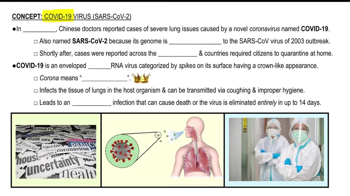
COVID-19 (SARS-CoV-2)

Impact of Variants on Immunity and Diagnostics

Variants may affect vaccine effectiveness and diagnostic detection. While some variants partially evade immunity, complete vaccine escape is rare in VOIs. Additionally, VOIs are generally still detectable by existing diagnostic tests, ensuring continued surveillance and case identification.
Recommended video:
Guided course
06:20
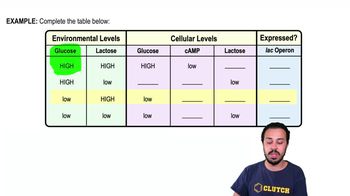
Glucose's Impact on Lac Operon Example 1

Clinical and Therapeutic Implications of Variants

Variants can influence disease severity and treatment response. However, a VOI does not necessarily cause more severe disease like viral pneumonia or resist all approved therapies. Such characteristics are more typical of variants of concern or variants of high consequence.
Recommended video:
Guided course
02:38
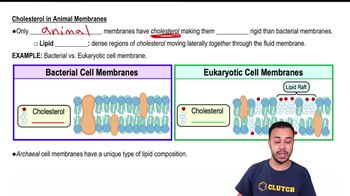
Cholesterol in Animal Membranes
Related Practice
Textbook Question

Select the true statements about SARS-CoV-2. (Select all that apply.)

a. It causes COVID-19.

b. It is vaccine preventable.

c. The FDA has approved hydroxychloroquine to treat infections with this virus.

d. It is considered a zoonotic infection.

e. It causes a form of viral pneumonia.

2
views
Textbook Question

From the following list, select all of the diseases that antibiotics do not directly cure.

a. Hanta pulmonary syndrome

b. Streptococcus pneumoniae

c. Colds

d. Influenza

e. Haemophilus influenzae

f. COVID-19

g. Legionellosis

h. Tularemia

3
views
Textbook Question

Choose the general agent of the disease (select ONE choice of agent from the options after each illness):

a. Pneumococcal pneumonia is caused by a (virus, bacterium, fungus).

b. Pneumocystis pneumonia is caused by a (virus, bacterium, fungus).

c. Tuberculosis is caused by a (virus, bacterium, fungus).

d. Histoplasmosis is caused by a (virus, bacterium, fungus).

e. Influenza is caused by a (virus, bacterium, fungus).

f. Colds are caused by (viruses, bacteria, fungi).

g. Coccidioidomycosis is caused by a (virus, bacterium, fungus).

h. Diphtheria is caused by a (virus, bacterium, fungus).

i. Pertussis is caused by a (virus, bacterium, fungus).

j. Scarlet fever is caused by a (virus, bacterium, fungus).

k. Legionellosis is caused by a (virus, bacterium, fungus).

l. Q fever is caused by a (virus, bacterium, fungus).

m. Hanta pulmonary syndrome is caused by a (virus, bacterium, fungus).

n. Streptococcal pharyngitis is caused by a (virus, bacterium, fungus).

1
views