Ch. 25 - Pathogenic RNA Viruses
Bauman - Microbiology with Diseases by Taxonomy 6th Edition
Bauman6th EditionMicrobiology with Diseases by TaxonomyISBN: 9780134832302Not the one you use?Change textbook
Chapter 25, Problem 5

Consider the viruses you studied in this chapter. Which three would you rank as the deadliest?

Verified step by step guidance
1
Step 1: Review the chapter content to identify all the viruses discussed, noting their characteristics such as mode of transmission, mortality rate, and impact on human health.
Step 2: Understand the criteria for 'deadliest'—this typically involves considering factors like mortality rate, ease of transmission, and potential for causing widespread outbreaks.
Step 3: Compare the viruses based on these criteria, focusing on those with the highest mortality rates and significant public health impact.
Step 4: Select three viruses that rank highest according to these factors, ensuring you justify your choices based on scientific data presented in the chapter.
Step 5: Summarize your ranking by explaining why these three viruses are considered the deadliest, referencing their biological features and epidemiological significance.

Verified video answer for a similar problem:

This video solution was recommended by our tutors as helpful for the problem above.
Video duration:
1m
Was this helpful?

Key Concepts

Here are the essential concepts you must grasp in order to answer the question correctly.

Virus Pathogenicity

Pathogenicity refers to a virus's ability to cause disease in a host. It involves factors like virulence, mode of transmission, and the severity of symptoms. Understanding pathogenicity helps determine how dangerous a virus is to humans.
Recommended video:
Guided course
03:40
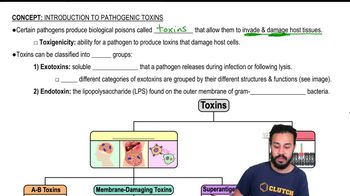
Introduction to Pathogenic Toxins

Mortality Rate

Mortality rate is the proportion of deaths caused by a virus among infected individuals. It is a key measure to rank viruses by deadliness, indicating how often infection leads to fatal outcomes.
Recommended video:
Guided course
03:23
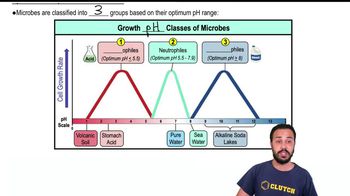
Optimal Growth pH Classes of Microbes

Transmission Mechanisms

Transmission mechanisms describe how viruses spread between hosts, such as airborne, contact, or vector-borne routes. Highly transmissible viruses can infect more people, increasing their overall impact and potential deadliness.
Recommended video:
Guided course
01:59
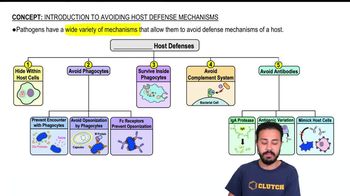
Introduction to Avoiding Host Defense Mechanisms