Back

Emerging Infectious Diseases definitions

Control buttons has been changed to "navigation" mode.
1/15
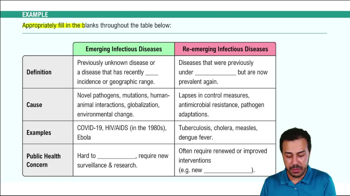
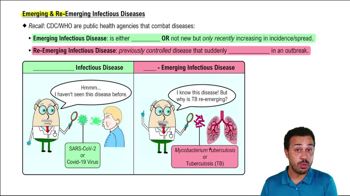
  • Emerging Infectious Disease

    A novel or newly significant pathogen causing increased incidence or spread, often requiring new control strategies due to unpredictable behavior.
  • Reemerging Infectious Disease

    A previously controlled pathogen that resurfaces, often due to lapses in vigilance or changes in contributing factors, reminding us to maintain prevention.
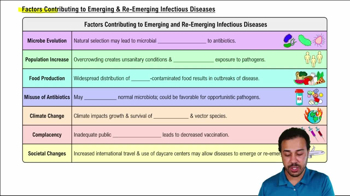
  • Microbial Evolution

    Genetic changes in pathogens over time, enabling new pathogenic traits or resistance, which can drive the appearance or return of diseases.
  • Antibiotic Misuse

    Inappropriate use of antimicrobial drugs, disrupting normal microbiota and fostering resistant or opportunistic pathogens.
  • Population Growth

    An increase in human numbers leading to overcrowding, unsanitary conditions, and greater exposure to infectious agents.
  • Climate Change

    Alterations in regional temperature and humidity that affect pathogen survival and vector distribution, influencing disease patterns.
  • Complacency

    A false sense of security leading to reduced prevention efforts, decreased vaccination, and increased risk of disease resurgence.
  • Vaccination

    A preventive measure that, when underutilized, can allow previously controlled diseases to return, especially in under-immunized populations.
  • Vector

    An organism, such as a mosquito, that transmits pathogens between hosts, often expanding its range due to environmental changes.
  • Opportunistic Pathogen

    A microbe that causes disease primarily when normal microbiota are disrupted or host defenses are compromised.
  • Epidemiology

    The study of disease distribution and determinants, essential for understanding and controlling infectious outbreaks.
  • Public Health Agency

    An organization, like the CDC or WHO, responsible for monitoring, preventing, and controlling disease threats at national or global levels.
  • Societal Changes

    Shifts in human behavior or infrastructure, such as increased travel or daycare use, that facilitate the spread of infectious diseases.
  • Microbiota

    The community of microorganisms normally residing in the body, which can be disrupted by antibiotics, allowing harmful microbes to thrive.
  • Outbreak

    A sudden increase in disease cases within a specific population or area, often signaling the emergence or return of an infectious threat.