Back

Animal Viruses: 2. Entry & Uncoating in the Host Cell definitions

Control buttons has been changed to "navigation" mode.
1/13
  • Enveloped Virus

    A type of virus surrounded by an outer lipid layer, enabling entry into host cells via membrane fusion or endocytosis.
  • Non-enveloped Virus

    A virus lacking an outer lipid layer, restricted to entering host cells only through endocytosis.
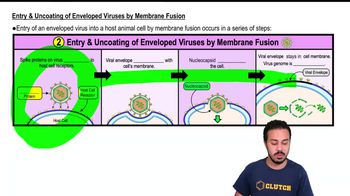
  • Membrane Fusion

    A process where a viral lipid envelope merges with the host cell membrane, allowing the nucleocapsid to enter the cell.
  • Endocytosis

    A cellular process where the host cell engulfs the virus, forming an endocytic vesicle that brings the virus inside.
  • Cytoplasmic Membrane

    The host cell boundary that can fuse with viral envelopes or invaginate to form vesicles during viral entry.
  • Nucleocapsid

    A structure composed of viral nucleic acid enclosed within a protein shell, entering the host cell during infection.
  • Uncoating

    The step where the viral protein coat is shed, releasing the viral genome into the host cell's cytoplasm.
  • Spike Protein

    A viral surface component responsible for binding to specific host cell receptors, initiating entry.
  • Host Cell Receptor

    A molecule on the host cell surface recognized and bound by viral spike proteins to facilitate viral entry.
  • Viral Envelope

    A lipid bilayer derived from the host, surrounding some viruses and crucial for membrane fusion entry.
  • Endocytic Vesicle

    A membrane-bound compartment formed during endocytosis, enclosing the virus inside the host cell.
  • Receptor-mediated Endocytosis

    A specific uptake mechanism where host cell receptors bind viruses, triggering vesicle formation for viral entry.
  • Nucleic Acid

    The genetic material of the virus, released into the host cell after uncoating for subsequent infection steps.