
Ch. 25 - Microbial Diseases of the Digestive System
Tortora - Microbiology: An Introduction 14th Edition
Tortora14th EditionMicrobiology: An IntroductionISBN: 9780138200398Not the one you use?Change textbook
Chapter 25, Problem 4

E. coli bacteria are part of the normal microbiota of the intestines and can cause gastroenteritis. Explain why this one species is both beneficial and harmful.

Verified step by step guidance
1
Step 1: Understand that Escherichia coli (E. coli) is a species of bacteria commonly found in the intestines of humans and animals, where it plays a role in the normal microbiota.
Step 2: Recognize the beneficial role of E. coli, which includes aiding in digestion, producing vitamin K, and preventing colonization by harmful pathogens through competitive exclusion.
Step 3: Identify that certain strains of E. coli can be harmful because they possess virulence factors such as toxins, adhesins, or invasins that can cause diseases like gastroenteritis.
Step 4: Explain that the harmful effects occur when pathogenic strains of E. coli contaminate food or water or when the balance of the normal microbiota is disrupted, allowing these strains to proliferate.
Step 5: Summarize that E. coli is both beneficial and harmful because it includes a diverse group of strains—some are harmless and essential for gut health, while others have acquired genetic traits that make them pathogenic.

Verified video answer for a similar problem:

This video solution was recommended by our tutors as helpful for the problem above.
Video duration:
3m
Was this helpful?

Key Concepts

Here are the essential concepts you must grasp in order to answer the question correctly.

Normal Microbiota and Symbiosis

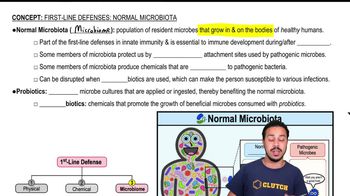
Normal microbiota refers to the community of microorganisms that live harmlessly or beneficially within the human body. E. coli in the intestines aids digestion, synthesizes vitamins like vitamin K, and helps prevent colonization by harmful pathogens, demonstrating a mutualistic relationship.
Recommended video:
Guided course
03:43
Normal Microbiota

Pathogenicity and Virulence Factors

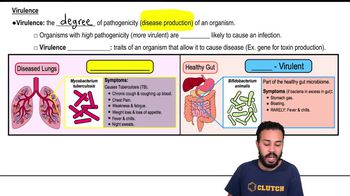
Certain strains of E. coli possess virulence factors such as toxins, adhesins, and invasins that enable them to cause disease. These pathogenic strains can disrupt intestinal function, leading to gastroenteritis characterized by symptoms like diarrhea and abdominal pain.
Recommended video:

Strain Diversity within a Species

E. coli is a diverse species with many strains, some harmless and others pathogenic. Genetic differences among strains determine their role as either beneficial commensals or harmful pathogens, explaining how one species can have both positive and negative effects on human health.
Recommended video:
Guided course
01:50
Hide Within Host Cells