Ch. 11 The Muscular System
Martini - Fundamentals of Anatomy and Physiology 12th Edition
Martini, Nath, Bartholomew12th EditionFundamentals of Anatomy and PhysiologyISBN: 9780137854011Not the one you use?Change textbook
Chapter 11, Problem 8

The muscle that rotates the eye medially is the
(a) Superior oblique
(b) Inferior rectus
(c) Medial rectus
(d) Lateral rectus

Verified step by step guidance
1
Step 1: Understand the function of each extraocular muscle listed in the options. The eye muscles control movements such as elevation, depression, abduction, adduction, and rotation.
Step 2: Recall that 'medial rotation' of the eye means turning the eye inward toward the nose, which is also called adduction.
Step 3: Identify the muscle responsible for adduction. The medial rectus muscle pulls the eye medially (toward the midline).
Step 4: Review the other muscles: the superior oblique primarily causes depression and intorsion (inward rotation), the inferior rectus causes depression and extorsion (outward rotation), and the lateral rectus causes abduction (moving the eye laterally).
Step 5: Conclude that the muscle that rotates the eye medially is the medial rectus, corresponding to option (c).

Verified video answer for a similar problem:

This video solution was recommended by our tutors as helpful for the problem above.
Video duration:
1m
Was this helpful?

Key Concepts

Here are the essential concepts you must grasp in order to answer the question correctly.

Extraocular Muscles

Extraocular muscles control eye movements and include six muscles: four rectus muscles (superior, inferior, medial, lateral) and two oblique muscles (superior and inferior). Each muscle has a specific role in moving the eye in different directions.
Recommended video:
Guided course
2:00
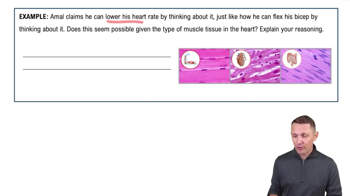
Introduction to Muscles and Muscle Tissue Example 1

Medial Rotation of the Eye

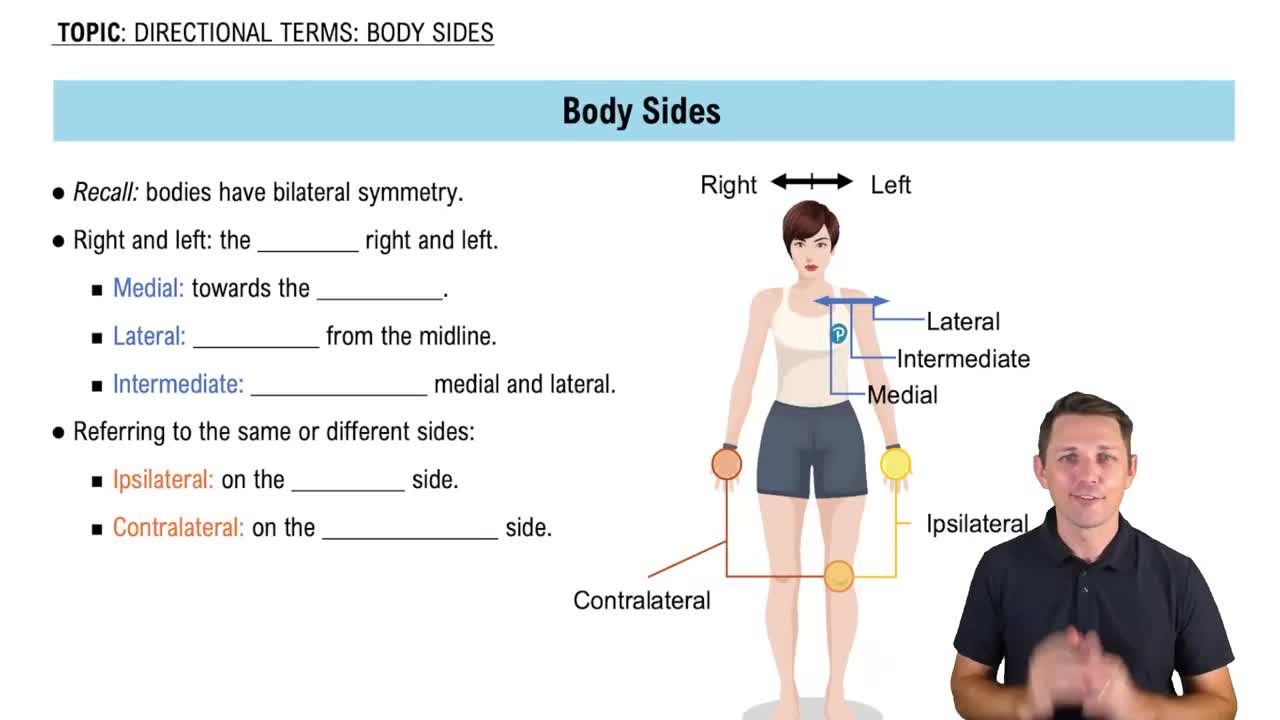
Medial rotation, or adduction, refers to moving the eye inward toward the nose. The muscle responsible for this movement pulls the eyeball medially, allowing the eyes to focus on objects close to the midline.
Recommended video:
Guided course
03:59
Medial and Lateral

Function of the Medial Rectus Muscle

The medial rectus muscle is primarily responsible for adducting the eye, meaning it rotates the eye medially. It is innervated by the oculomotor nerve and plays a key role in coordinating binocular vision.
Recommended video:
Guided course
03:59
Medial and Lateral