Ch. 22 The Respiratory System
Marieb - Human Anatomy & Physiology 7th Edition
Marieb, Hoehn7th EditionHuman Anatomy & PhysiologyISBN: 9780805359091Not the one you use?Change textbook
Chapter 21, Problem 2

Which of the following laryngeal cartilages is/are not paired?
a. Epiglottis
b. Arytenoid
c. Cricoid
d. Cuneiform
e. Corniculate

Verified step by step guidance
1
Understand the anatomy of the larynx: The larynx is composed of several cartilages that play a role in voice production and protecting the airway during swallowing. These cartilages are classified as paired or unpaired based on their anatomical structure.
Review the unpaired laryngeal cartilages: Unpaired cartilages are singular structures that do not have a counterpart on the opposite side of the larynx. The three unpaired cartilages are the epiglottis, thyroid cartilage, and cricoid cartilage.
Review the paired laryngeal cartilages: Paired cartilages are symmetrical and exist on both sides of the larynx. The paired cartilages include the arytenoid, corniculate, and cuneiform cartilages.
Analyze the options provided: Compare each cartilage listed in the question (epiglottis, arytenoid, cricoid, cuneiform, corniculate) to the classifications of paired and unpaired cartilages.
Determine which cartilage(s) is/are unpaired: Based on the anatomical classification, identify the cartilage(s) from the list that is/are unpaired and ensure the reasoning aligns with the anatomical structure of the larynx.

Verified video answer for a similar problem:

This video solution was recommended by our tutors as helpful for the problem above.
Video duration:
2m
Was this helpful?

Key Concepts

Here are the essential concepts you must grasp in order to answer the question correctly.

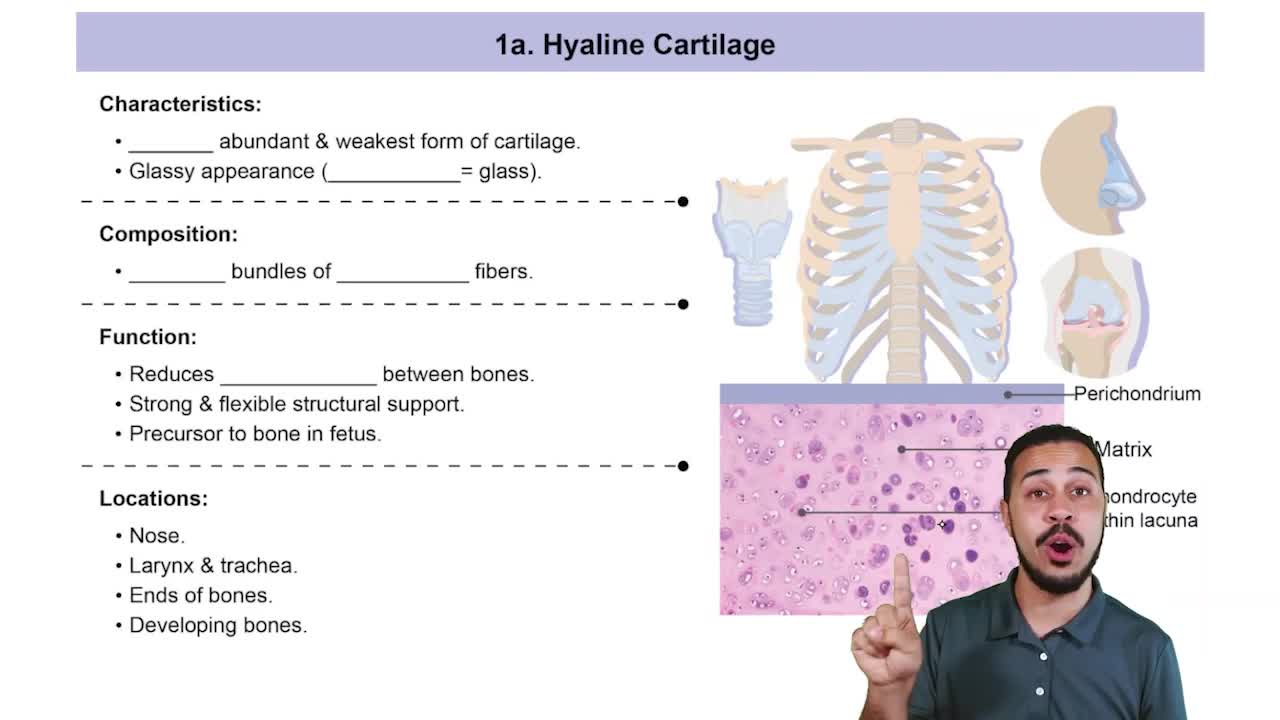
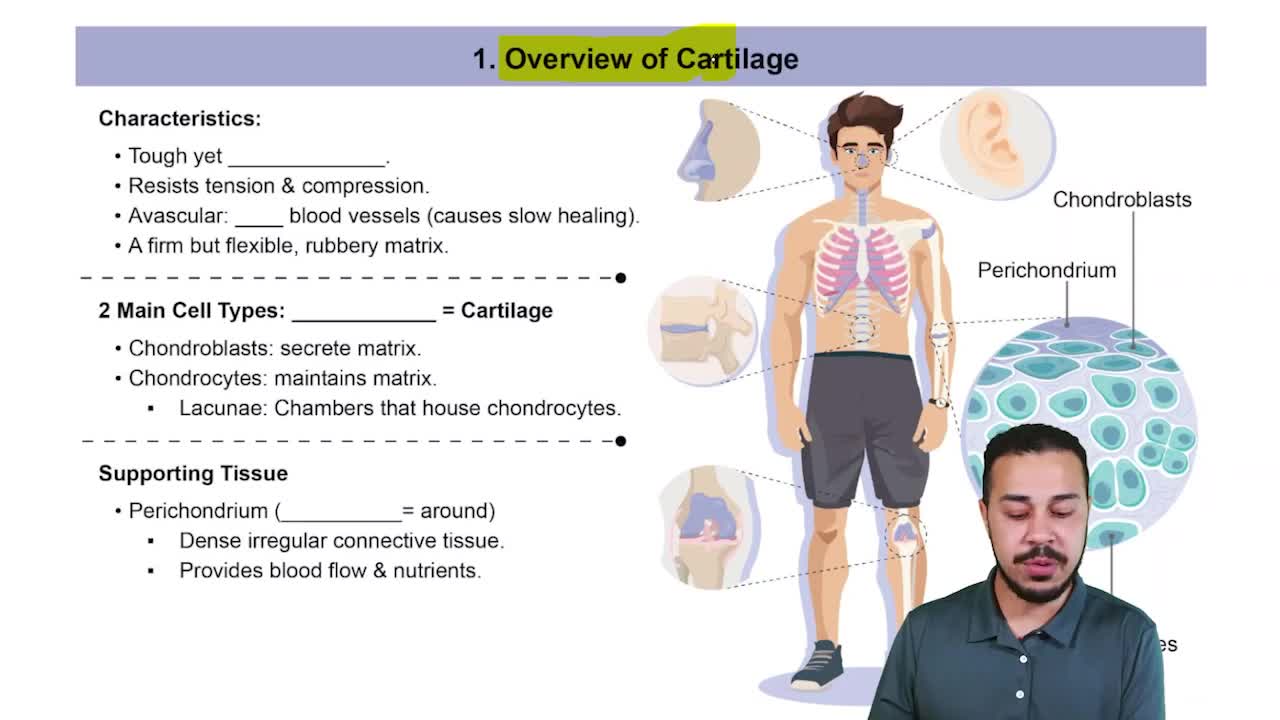
Laryngeal Cartilages

The larynx contains several cartilages that provide structure and support. These include paired cartilages, which come in two identical pieces, and unpaired cartilages, which exist as single structures. Understanding the distinction between paired and unpaired cartilages is essential for identifying which laryngeal cartilages are not paired.
Recommended video:
Guided course
05:36
Hyaline Cartilage

Unpaired Cartilages

Unpaired cartilages in the larynx include the epiglottis and cricoid. The epiglottis is a leaf-shaped cartilage that prevents food from entering the airway during swallowing, while the cricoid cartilage forms a complete ring around the trachea. Recognizing these unpaired structures is crucial for answering questions about laryngeal anatomy.
Recommended video:
Guided course
05:36
Hyaline Cartilage

Paired Cartilages

Paired cartilages in the larynx include the arytenoid, cuneiform, and corniculate cartilages. These cartilages work together to facilitate vocal cord movement and support the structure of the larynx. Identifying which cartilages are paired helps clarify their functional roles in the respiratory and vocal systems.
Recommended video:
Guided course
07:10
Overview of Cartilage