Ch. 13 The Peripheral Nervous System and Reflex Activity
Hoehn - Marieb Human Anatomy & Physiology, 12th edition
Hoehn, Haynes, Abbott12th EditionMarieb Human Anatomy & PhysiologyISBN: 9780138242732Not the one you use?Change textbook
Chapter 13, Problem 31

One of a group of rabbit hunters was accidentally sprayed with buckshot in both of his gluteal prominences. When his companions saw that he would survive, they laughed and joked about where he had been shot. They were horrified and ashamed a week later when they learned their friend would be permanently paralyzed and without sensation in both legs from the knee down, as well as on the back of his thighs. What had happened?

Verified step by step guidance
1
Step 1: Identify the anatomical region involved. The gluteal prominences refer to the buttocks area, which contains important nerves such as the sciatic nerve that runs deep through the gluteal muscles.
Step 2: Understand the function of the sciatic nerve. It is the largest nerve in the body and provides motor and sensory innervation to the lower limb, including the legs and the back of the thighs.
Step 3: Analyze the symptoms described: permanent paralysis and loss of sensation in both legs from the knee down, and on the back of the thighs. These symptoms suggest damage to the sciatic nerve or its branches.
Step 4: Connect the injury to the nerve damage. The buckshot wounds in both gluteal prominences likely caused bilateral injury to the sciatic nerves, leading to the paralysis and sensory loss described.
Step 5: Conclude that the companions' initial laughter was due to underestimating the severity of the injury, but the permanent damage occurred because the sciatic nerves were severely damaged or severed in the gluteal region.

Key Concepts

Here are the essential concepts you must grasp in order to answer the question correctly.

Anatomy of the Sciatic Nerve

The sciatic nerve is the largest nerve in the body, running from the lower back through the gluteal region down to the legs. It provides motor and sensory innervation to the lower limbs, including sensation from the back of the thighs and below the knees. Injury to this nerve can cause paralysis and loss of sensation in these areas.
Recommended video:
Guided course
2:25
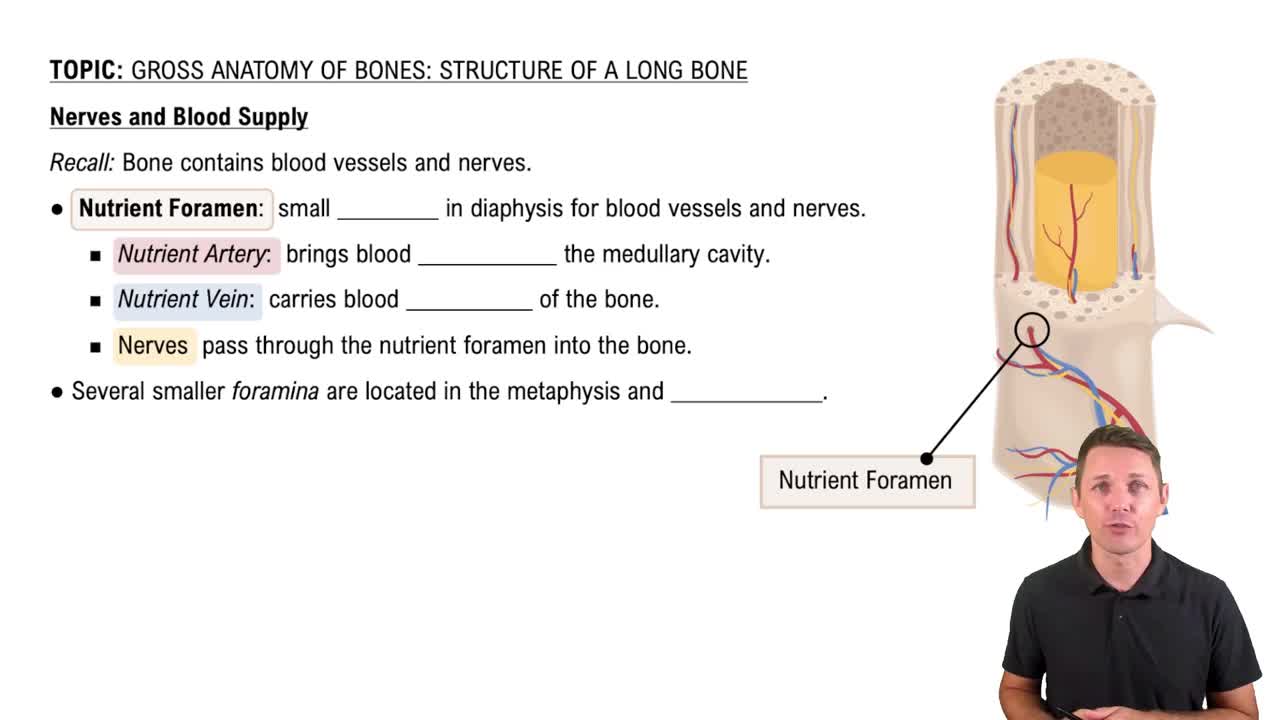
Nerves and Blood Supply

Gluteal Region and Vulnerability to Nerve Injury

The gluteal region contains important neurovascular structures, including the sciatic nerve, which lies deep to the gluteal muscles. Trauma or penetrating injuries in this area, such as buckshot wounds, can damage the sciatic nerve, leading to severe motor and sensory deficits in the lower limbs.
Recommended video:
Guided course
04:21
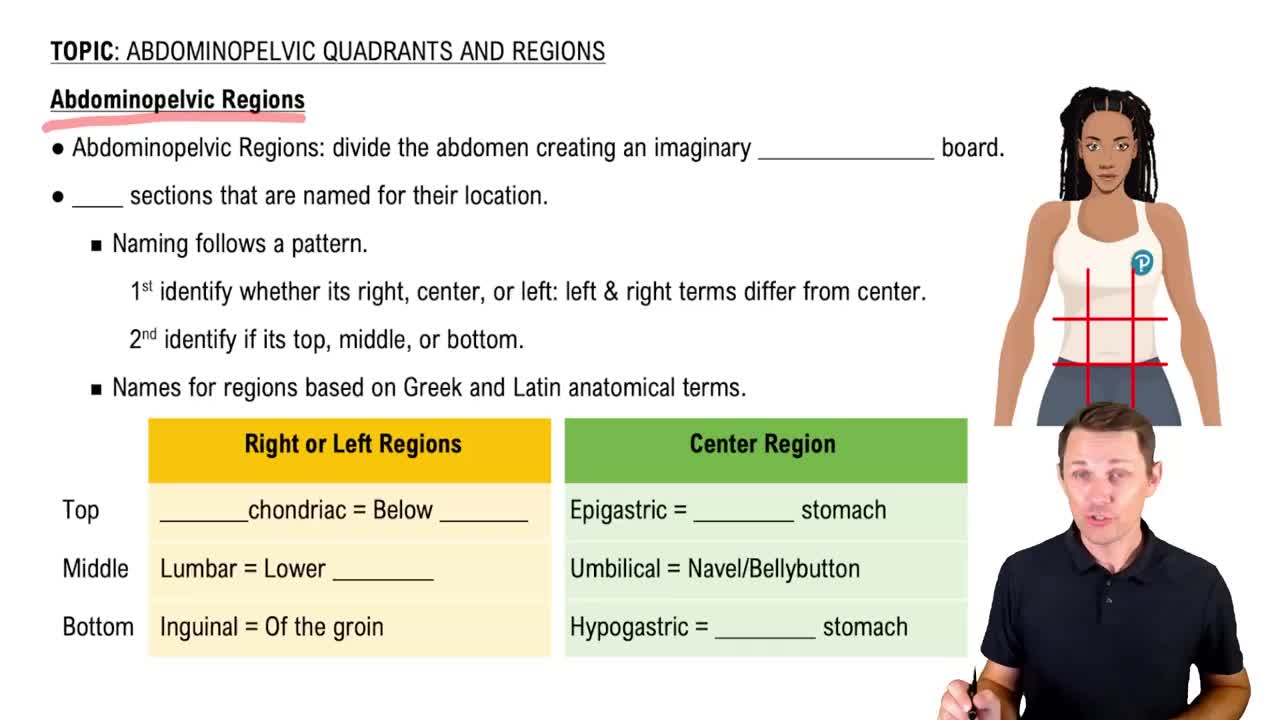
The 9 Abdominopelvic Regions

Clinical Presentation of Sciatic Nerve Injury

Damage to the sciatic nerve typically results in paralysis of muscles it innervates and loss of sensation in its cutaneous distribution. This includes paralysis of leg muscles and sensory loss from the knee down and the posterior thigh, explaining the patient's permanent paralysis and numbness after the injury.
Recommended video:
0:56
Parasympathetic Nervous System Example 2